
Dry lips
How to kiss soft and supple
Why is the skin of the lips so sensitive?
The skin of the lips differs significantly from the rest of the body's skin and is therefore particularly sensitive. This sensitivity is due to a combination of anatomical and functional features. The lips lie in a transition zone between the facial skin and the oral mucosa, known as the vermilion. This area has an exceptionally thin stratum corneum, which allows blood vessels to show through easily and gives the lips their characteristic red colour.
Unlike other skin areas, the lip skin has neither sebaceous nor sweat glands. As a result, it cannot form a natural protective film of sebum and dead skin cells that elsewhere serves as a barrier against environmental influences. This lack of a protective layer makes the lips particularly vulnerable to external factors such as cold, heat or dry air. In addition, the cells of the lip's stratum corneum keratinise very little, which limits their ability to act as a natural seal against drying out.
Another peculiarity of lip skin is the absence of pigments like melanin. While these pigments provide some protection against UV rays on other parts of the skin, the lips are exposed to this stress without protection. This makes them particularly light-sensitive and increases the risk of sun damage.
What causes dry lips?
The causes of dry lips are varied and can be due to both external and internal factors. A major cause is lack of moisture, resulting from insufficient fluid intake or increased fluid loss, e.g. through sweating. Also, frequent moistening of the lips with saliva worsens the problem, as evaporation dries the skin out further.
External factors such as cold winter air, dry indoor heating air and intense sun exposure also contribute to drying. In summer, lips lack the pigment cells that could protect them from UV rays. Also, salty sea water can draw moisture away.
Conditions such as colds or infections, e.g. with herpes viruses or fungi, can also lead to dry or cracked lips. A deficiency in vitamins or minerals, especially iron, zinc or vitamins B and E, can impair skin regeneration and make it brittle. Stress can also play a role, as it reduces saliva production and therefore does not sufficiently moisten the lips.
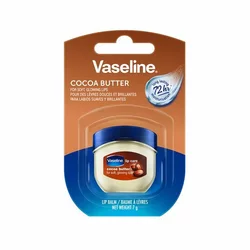
Finally, incorrect lip care can also lead to dry lips. Lipsticks or care products with fragrances and colourants dry out the delicate skin. Instead, products with replenishing ingredients such as shea or cocoa butter should be used.
What are the signs of dry lips?
The signs of dry lips can appear in various ways and to varying degrees. The first symptom is often a dry, rough or flaky feeling to the touch. In many cases, visible cracks or splits form on the lip surface, which can be sensitive or painful.
With dryness, the lip skin often tends to scale or peel, which exacerbates the problem. Redness commonly occurs, indicating inflammation or irritation. A feeling of tightness is also often reported, which can restrict lip movement and cause discomfort. In severe cases the lips can bleed, which increases the distress.
Can dry lips be treated with hyaluronic acid?
Yes, dry lips can be effectively treated with hyaluronic acid. This substance not only makes the lips soft and supple again, but also supports the healing process for cracks and dryness. Hyaluronic acid can also be used preventively to avoid dryness and improve the skin structure of the lips.
Using finely cross-linked hyaluronic acid targets and replenishes the lips' moisture depot without unnaturally increasing volume. This method is particularly suitable for people who want soft and well-cared-for lips without aiming for a noticeable change in volume. The result is smooth, youthful-looking lips with natural suppleness.
Hyaluronic acid can bind many times its own weight in water. As a result, small wrinkles are smoothed, skin elasticity is improved and the lips appear fuller. Hyaluronic acid is available not only as injections but also in specialised lip care products such as balms or lipsticks. These products often combine hyaluronic acid with nourishing ingredients like castor oil, which additionally protects the lips and gives them shine.
Can creams and fatty lip balms protect the lips?
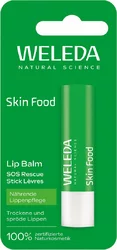
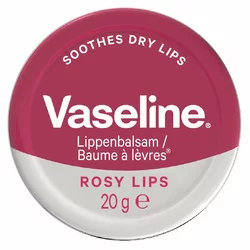
Yes, creamy and fatty lip care products can help protect the lips from external influences and keep them supple. Especially nourishing are products with rich ingredients such as shea butter, beeswax, honey or healing plant extracts from chamomile and calendula. They provide moisture and protect the delicate lip skin from drying out.
Products with natural oils such as olive oil, jojoba oil or castor oil are particularly recommended because they do not contain harmful mineral oils. Products that contain paraffin oil (a by-product of petroleum refining) can, on the other hand, make the lips even drier: they initially coat the skin but do not keep it permanently moist. Mineral oils can also be harmful to health and are suspected of being genotoxic or carcinogenic.
For winter, especially at freezing temperatures, fatty products with as little water as possible are ideal, as they form a long-lasting protective film. In summer, however, a lip balm with UV protection (at least SPF 20) is important to protect the lips from harmful sun exposure and prevent drying out.
Coconut oil for dry lips?
Coconut oil is an excellent remedy for dry lips, as it deeply moisturises the skin. Thanks to its hydrating properties, it helps to soothe and soften dry, cracked lips. It is often called an emollient because it binds moisture in the skin and protects it from drying out. Coconut oil works best after a bath or shower, when the skin is particularly receptive, but can be used at any other time of day.
Another advantage of coconut oil is its antiseptic and antibacterial action. These properties help protect the lips from germs and prevent cracked skin from becoming further infected. In addition, coconut oil has anti-inflammatory properties that can reduce swelling and soothe the skin.
Coconut oil not only provides moisture to the lips but also gives them shine and supports their natural lip colour. Being made from natural ingredients, it is a safe alternative to many commercial lip balms that often contain chemical additives. With regular use it helps prevent dry, rough lips and keeps them healthy and supple.
What helps against dry lips: practical tips
- Use a nourishing lip balm or stick regularly to keep your lips moisturised. Apply the product as soon as your lips start to feel slightly dry to avoid deep cracks.
- Use care products containing bisabolol or dexpanthenol to soothe and hydrate the skin.
- Avoid constant lip licking, which dries the lips and can make the problem worse.
- Drink enough water, at least 1.5 litres per day. This hydrates the lips from the inside and protects them from drying out.
- Use home remedies such as honey for quick relief. Apply honey to your lips to nourish and soothe them. Leave the honey on for 5 to 10 minutes and then dab it off with a clean cloth.
- Use olive oil as a natural treatment, as it is rich in vitamin E. Apply it to your lips in the evening and leave it on overnight. This keeps your lips soft and well cared for.
- Apply aloe vera gel to your lips to nourish them. Let it absorb and repeat the application several times a day, especially for chapped lips.
- Make your own lip balm. Melt 10 g beeswax and 10 g cocoa butter in a bain-marie. Stir in 15 ml olive oil and let the mixture cool to hand temperature. Add 3 drops of essential oil and stir well. Pour the mixture into jars and let them cool. Store the balm cool and dry so it keeps for up to 6 months.
- Since sebaceous glands are absent on the lips, regularly care for the area around the mouth and the corners with a lip scrub and suitable skin care to keep them supple and silky. Mix a teaspoon of sugar with honey or olive oil and gently massage it into the lips.
- Pay attention to a balanced diet. Eat foods rich in vitamin B2, B12, zinc and iron to optimally support your lips and skin. These nutrients help prevent dry lips.
- Ensure a comfortable indoor humidity in your home, especially during the heating season. This prevents dry lips.
Dry lips are often uncomfortable, but with the right care they are easy to manage. Regular moisture supply, protection from cold and wind and sufficient fluid intake help keep lips soft and supple.