
Lip Balm
How to care for the most sensitive skin area of your body
editorial.overview
Why are lips particularly prone to dryness and cracking?
The skin of the lips is among the driest areas of the human body and is formed by a very thin layer of skin. The outer protective skin layer of the lips (approx. 0.1 mm) provides only limited protection to the mucous membrane beneath. That is why the colour of the lips is much more vivid: beneath the thin skin the blood vessels are very visible.
When air or body temperature drops drastically, the lips notice it first: blood circulation slows down and the characteristic bluish tint appears. The situation is worsened by the fact that there are very few sebaceous glands on the lips and moisture loss from the lip skin is much higher than on other parts of the body. Dry air in summer and dehydration in winter also take a heavy toll on lip skin.
What types of lip balm packaging are there and how do they differ?
The cosmetics market is being filled with an increasing number of products for care, beauty and health. Lip balms are no exception. They come in all shapes and sizes and can be divided into two groups: by packaging and by function.
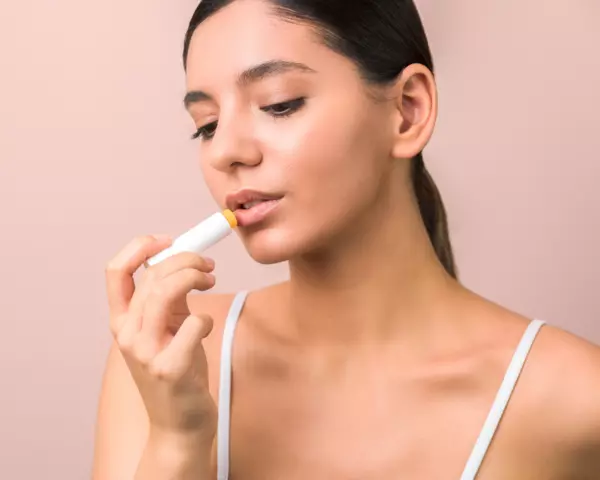
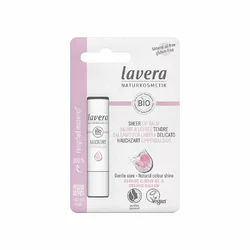
Regarding packaging, balms can take the form of a standard lipstick. These balms are easy to apply, convenient to carry and can be used at any time.
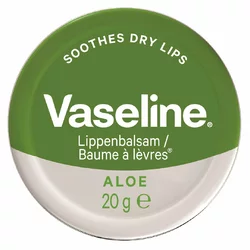
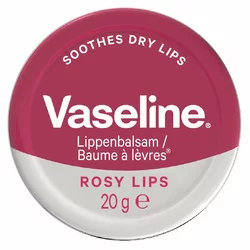
Lip balm in a plastic pot or bottle is very easy to use, available in many varieties, which is why many people prefer it. Because of the pot or bottle, many think these lip balms are not the best "to go" option, as there is no brush and it can be unhygienic to touch them with your fingers. It is therefore common to have separate brushes at home for applying these balms or to wash your hands thoroughly before applying them with your fingers.
Lip balm in a tube is versatile. It usually comes as a liquid gel, the tube protects the packaging from air ingress and the applicator is simple to use and apply.
What roles do nourishing and moisturizing lip balms fulfil?
Nourishing balms are especially needed in cold seasons, when the lips are exposed to low air temperatures, wind and UV rays reflected by snow. The body often lacks vitamins at this time, so a nourishing balm is an ideal choice.
Nourishing balms are rich and dense and may contain shea, cocoa, mango, jojoba, castor, apricot, almond and olive oils as well as vitamins (e.g. vitamin E smooths wrinkles, vitamin A softens the skin, vitamin C has anti‑inflammatory and wound‑healing properties). They therefore leave a slightly greasy feeling on the lips and protect them from cracks.
A moisturizing balm, on the other hand, is particularly helpful in summer when the air becomes dry and hot and the body uses moisture to regulate temperature, so lips often suffer from dryness. These balms contain plant extracts (e.g. aloe vera, which promotes skin regeneration and has soothing and anti‑inflammatory properties, and chamomile, which moisturizes and has mild antiseptic action). Such lip balms are formulated to care for and hydrate the lips.
This product remains as a thin layer on the lips and is easily absorbed, so it should be applied more frequently. Of course, a moisturizing balm bought for summer should also contain a UV filter.
What are protective and therapeutic lip balms used for?
A protective balm usually has a complex effect. Its purpose is to create a protective film on the lips that shields them from cracking, drying out and even viruses. Protective balms can be used year‑round as they nourish, protect and help decontaminate. That means they can do a bit of everything.
Therapeutic balms should be used with caution, as they act much like medicines and should only be used until the problem is resolved. The main issue for lips is dryness, which is why therapeutic balms contain healing, antiseptic and antiviral components.
How to apply lip balm correctly: tips for soft, healthy lips
- In cases of chapped lips, a course of plant oils is necessary. Chamomile oil, cocoa oil and black seed oil (used even in treatment of some skin conditions) have regenerative and healing properties.
- If you have dry lips, consider vitamin‑rich oils. Avocado oil, for example, contains vitamins A, E, B and many other skin‑friendly vitamins that soften, nourish and hydrate your skin.
- For inflammation, use a balm made from honey, tea tree oil and lavender. It will be a reliable companion in dealing with this issue.
- For sensitive lips, choose a lip balm that contains shea oil. This is a hypoallergenic ingredient. It revitalizes the skin after aggressive environmental exposure such as sun, wind and frost and also relieves itching and flaking.
- You can also make your own lip balm. You will need 10 grams of shea butter, 10 grams of beeswax, 10 grams of coconut, almond, jojoba or olive oil and 1–2 drops of essential oil of your choice. Put the shea butter, beeswax and the coconut or olive oil in a bowl. Heat some water in a pot and suspend the bowl in the pot using a sieve. There should be no water in the bowl. Make sure the water is not boiling: the ingredients melt at low heat. Once the oils liquefy, stir until a homogeneous mass forms. Let the contents cool for about a minute and then add the essential oil. Mix thoroughly again and pour the lip balm into a jar or small tin.
- Avoid petroleum‑derived products (petroleum jelly, paraffin, various mineral oils) in balms. All these ingredients form a thin film on the lips that prevents the skin from breathing and absorbing the nutrients still present in the balm.
- If you are prone to allergies, choose fragrance‑free and flavour‑free balms, as these can trigger allergic reactions.
Lip balm has become an essential product for anyone who cares for themselves and dreams of perfect lips. This cosmetic product should always be at hand!