Facial care
So you feel even more beautiful
editorial.overview
Why does the facial skin need special care?
The skin on the face is more sensitive and thinner than on other parts of the body. Because it is constantly exposed to external influences, it has to endure a lot. UV rays, fine dust and other environmental factors can stress it, dry it out quickly or irritate it. Targeted facial care products are therefore essential to keep it healthy and resilient.
In winter it is particularly important to protect the epidermis from cold and dry indoor air. But caution is also needed in the warmer months. Even on cloudy days and during short outdoor stays, UV radiation can damage the skin. Adequate sun protection should therefore be part of the care routine all year round.
Which skincare routine suits oily skin?
Oily and combination skin can be a real challenge – unwanted shine in the T-zone, clogged pores and blemishes are familiar problems for many. With the right skincare products you can regulate sebum production without drying out the epidermis. It is all about the right balance: gentle cleansing, moisture-giving care and targeted protection against environmental stressors.
Oily skin should be cleansed morning and evening to remove excess sebum, dirt and dead skin cells. Ideally, use a mild foaming cleanser with salicylic acid (BHA), which penetrates deep into pores and helps prevent breakouts. The rule is: don’t wash too often to avoid damaging the skin barrier – overly aggressive cleansing can even increase sebum production.
Many believe that oily skin does not need extra care, but the opposite is true. A light, non-greasy moisturiser helps soothe the epidermis and balance moisture levels. Ideally it should also include a sun protection factor (SPF) to protect the epidermis from UV damage. Alternatively, a light serum with niacinamide can help minimise pore appearance and control shine throughout the day.
A good sunscreen should always be the final step in the morning routine. Oil-free or non-comedogenic formulations help prevent additional pore blockage. If an extra cream is too much, you can opt for a foundation with integrated sun protection.
In the evening it is important to cleanse the epidermis with a mild cleanser. Additionally, a chemical peel with salicylic acid or a special night cream can help prevent blemishes and clarify the epidermis. Those who do not want to skip a light moisturiser despite oily skin should choose non-comedogenic, soothing formulations.
What is the best skincare for blemish-prone skin?
Blemish-prone skin needs targeted care that gently removes excess sebum, dead skin cells and dirt particles without irritating the epidermis. A well-balanced routine can help reduce inflammation, clear pores and improve skin texture in the long term.
A gentle cleansing is crucial for blemish-prone skin. Soap-free, pH-neutral cleansing gels are particularly suitable as they remove excess oil and impurities without drying the skin. When washing, foam the product with water and rinse thoroughly to free the pores and prevent blockages. After cleansing, a refreshing facial toner can help balance the epidermis pH and prepare it optimally for subsequent care.
For blemish-prone skin, the right balance between hydration and sebum-regulating ingredients is essential. Light, low-oil moisturisers with antibacterial and anti-inflammatory ingredients such as salicylic acid, fruit acids or tea tree oil can help target blemishes. At the same time, they prevent the epidermis from drying out, which could otherwise lead to increased sebum production.
Individual blemishes can be treated with specialised spot pens or spot creams. These contain highly concentrated actives applied directly to the affected areas to reduce inflammation and speed up healing.

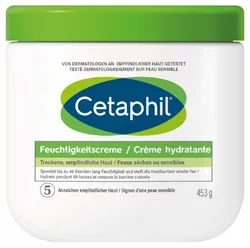
Which active ingredients help dry skin?
Dry skin requires targeted care with moisturizing and protective ingredients to prevent tightness, flaking and moisture loss.
Hyaluronic acid is one of the best-known actives. It has the ability to bind large amounts of water and store it in the epidermis. This intensely hydrates the skin, keeping it supple and plump.
Ceramides are natural lipids found in the upper skin layers. They strengthen the skin barrier and prevent moisture loss. They are indispensable for very dry or sensitive skin to make the epidermis more resilient and smooth.
Glycerin helps retain water in the skin and thus prevents drying out. It attracts moisture from the environment and ensures long-lasting hydration. For this reason it is an important ingredient in many moisturisers and lotions.
Squalane is a natural oil that hydrates the epidermis without weighing it down. It absorbs quickly, leaves no greasy feel and helps prevent moisture loss. It is especially suitable for dry and sensitive skin.
Can I care for my facial skin exclusively with oils?
The idea of using only oils for skin care sounds appealing – natural oils are often seen as a gentle alternative to conventional products. But whether an oil-only routine is sufficient really depends on individual skin characteristics.
For healthy, young skin that retains moisture well and has an intact skin barrier, oil care can work. If the oil is applied to damp skin – for example after cleansing with hydrosols or water – it can help lock moisture into the skin. This method can be soothing in the short term, especially for sensitive or overtreated epidermis.
Skin needs not only lipids but also water. Especially with age or for dry skin, oils alone often are not enough because they lack water-binding ingredients (like hyaluronic acid or glycerin). If the epidermis lacks water, it can look dry and parchment-like despite rich oil care. Important skin processes that require water can also be impaired.
The solution is a combination of hydration and emollients. Plant-based emulsions that contain both water and oil mimic the skin's natural structure and provide everything the skin needs. For a minimalist approach, oils can be combined with moisturizing actives such as urea or glycerin.
How can men care for their facial skin?
Male skin differs in some respects from female skin. Due to higher testosterone levels it is about 25 percent thicker, produces more sebum and has larger pores. This makes it more robust but also more prone to oily skin and blemishes. The right care helps improve appearance and provides a healthy, fresh look in the long term.
Men should cleanse their face twice a day – in the morning after getting up and in the evening before going to bed. This removes sebum, dirt and bacteria that have accumulated overnight or during the day. A mild facial cleanser ensures the epidermis is cleaned thoroughly without drying out. A cleansing gel or foaming cleanser designed for oily skin is particularly suitable.
Twice a week a peel should be used to remove dead skin cells and prevent clogged pores. This evens out the skin texture and helps prevent blemishes. There are two types of peels: mechanical peels with fine abrasive particles for rough skin and chemical peels with fruit acids or salicylic acid for sensitive skin. Regular exfoliation can reduce problems with ingrown hairs.
The skin around the eyes is particularly thin and needs targeted eye care to prevent dryness, wrinkles and dark circles. An eye cream with moisturizing actives like hyaluronic acid or caffeine can help the eye area look fresher. Gently pat a small amount in morning and evening.
Although men's skin is often oilier, it still needs moisture to stay healthy and balanced. A light, non-greasy moisturiser cares for the skin without weighing it down or making it shiny. A mattifying moisturiser prevents unwanted shine and provides a fresh skin feel.
UV rays are the main cause of premature skin ageing. Therefore a sunscreen with at least SPF 30 daily should be part of the routine – even on cloudy days. If you don't want to apply an extra cream, you can use a moisturiser with an integrated sun protection factor.
Facial care: how to keep your skin healthy and fresh
- Effective facial care starts with proper cleansing. Especially in the evening it is important to remove dirt, make-up residues and sunscreen thoroughly. Use a mild cleansing oil or balm and massage it into the skin for at least 60 seconds to avoid clogged pores and blemishes.
- If you have dry or sensitive skin, rinsing your face with lukewarm water in the morning is usually sufficient. This preserves the skin's natural protective film and prevents unnecessary drying. If you are prone to oily skin or blemishes, you can additionally use a mild cleansing product.
- A facial toner is not a must, but it can be a useful complement. It helps remove final residues after cleansing and balances the skin's pH. This prepares your skin better for subsequent products like serums and creams, allowing them to absorb more effectively.
- Facial serums act as boosters that deliver targeted hydration and nutrients to your skin. Depending on your skin type and needs, choose serums with hyaluronic acid (for hydration), vitamin C (for radiance) or niacinamide (for blemishes). Apply a few drops and gently pat them into the skin.
- To keep the skin well hydrated, a face cream is essential. It protects against dehydration, strengthens the skin barrier and seals in the active ingredients from serums and toners. Pick a cream that matches your skin type: richer formulations for dry skin, light gel textures for oily skin.
- UV radiation is the main reason for premature ageing, pigmentation and loss of elasticity. Apply sunscreen with at least SPF 30 daily – even on cloudy days and in winter. Wait about 10 minutes after application before putting on make-up.
- During sleep the skin regenerates. Use a nourishing night cream or an oil in the evening to replenish moisture reserves and soothe the skin. Products with ceramides or panthenol help strengthen the skin barrier.
- Face masks are a wonderful addition to your routine. Hydrating masks suit dry skin, while clay-based clarifying masks help oily skin. Use masks according to your skin's needs, but not too often to avoid overcare.
- Too many products can overwhelm the skin and cause irritation. Choose few, well-targeted products adapted to your skin. Very sensitive skin often reacts negatively to an excess of ingredients.
- Dry skin tends to feel tight, flaky and red. Use moisturizing ingredients like hyaluronic acid, glycerin and urea. Avoid alcohol-based toners or harsh cleansers as they can further dry out the skin.
- If your skin becomes shiny quickly and is prone to blemishes, opt for oil-free, lightweight textures like gels or fluids. A BHA peel can help remove excess sebum and clear pores. Mattifying day creams provide a fresh look.
- Sensitive skin requires especially gentle care without fragrances, alcohol or irritating ingredients. Soothing actives such as aloe vera, panthenol or chamomile help reduce redness and irritation. Avoid aggressive peels and too many different products.
- With age, skin loses elasticity and moisture. Use products with retinol to reduce wrinkles, hyaluronic acid for plumping and Q10 as an antioxidant. Moisturising night care is particularly important to support skin regeneration.
- A healthy diet with sufficient vitamins and antioxidants can positively influence skin condition. Omega-3 fatty acids from fish or nuts help reduce inflammation. Drink at least 1.5 - 2 litres of water daily to keep the skin hydrated.
- Stress can negatively affect the complexion by increasing sebum production and promoting inflammation. Relaxation methods such as yoga, meditation or walks in the fresh air can help keep your skin healthy and radiant in the long term.
- Unconsciously we touch our face several times a day – transferring bacteria that can cause blemishes. Try to touch your face as little as possible with unwashed hands. If you have blackheads or pimples, resist the urge to squeeze them as this can worsen inflammation.
- Although a hot shower can be relaxing, it is not ideal for facial skin. Water that is too hot can dry out the skin and weaken the protective barrier. Prefer lukewarm water for cleansing and finish your routine with cold water to stimulate circulation and refine pores.
A consistent facial care routine is essential to keep the skin healthy, radiant and resilient. The right combination of care, hydration and protection can prevent skin problems and improve the complexion in the long run. Ultimately the ideal routine depends on individual needs, but regular and mindful care always pays off.