
Fertility
How to take this important step in life
What is fertility?
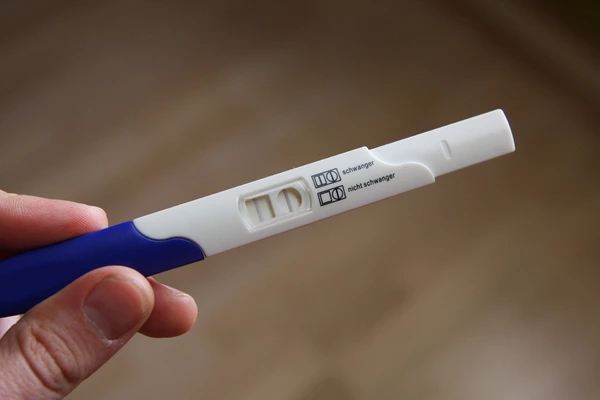
Fertility describes the ability of a woman and a man to conceive a child. In women it depends on the monthly ovulation and the readiness of the egg to be fertilised. In men the number and quality of sperm cells play a role. For a pregnancy to occur, both partners must be healthy and fertile. Per cycle, the chance of becoming pregnant in young women is around 20 to 30 percent — and it decreases with age. The window for fertilisation is short: after ovulation the egg has at most 24 hours to be fertilised.
How can fertility be tested in women?
If there is a desire to have children and no pregnancy has occurred despite regular unprotected sex over a period of more than one year, a fertility test for both partners offers the opportunity to identify possible causes of the infertility experienced so far.
The range of fertility tests for women is diverse and includes several options to check reproductive health. First, the gynecologist will ask about general wellbeing, the cycle, previous pregnancies, illnesses and the duration of the unfulfilled desire to have children. If temperature charts and cervical mucus analyses are already available, these can provide valuable information, particularly about possible hormone deficiencies.
An ultrasound examination can be used to examine the main organs. Possible irregularities of the uterus, fallopian tubes and ovaries can be detected.
An endocrinological examination via a blood sample allows measurement of various values such as estradiol, prolactin, progesterone, luteinising hormone, follicle-stimulating hormone, androgens and thyroid hormones. These values can provide clues about fertility.
The anti-Müllerian hormone (AMH) test gives information about the approximate number of stimulatable follicles in your body. An optimal AMH value, especially between the ages of 18 and 30, indicates a good ovarian reserve. The test is performed by a simple blood draw.
Testing for sexually transmitted infections such as chlamydia is important, as untreated infections can lead to blocked fallopian tubes and infertility.
The postcoital test (PCT) assesses the quality of cervical mucus shortly before ovulation to determine whether it is permeable to sperm.
Hysteroscopy and laparoscopy allow direct visualisation of the uterine cavity and the abdominal cavity to identify structural problems such as fibroids, tumours, mucosal changes or endometriosis and, if necessary, to treat them.


How can fertility be tested in men?
A couple's fertility can be influenced by various factors, with the contribution of the man accounting for up to one third of fertility problems. It is therefore important to carefully examine male fertility as well. This is usually done through a thorough medical history and an initial physical examination.
During the medical history, questions are asked about possible genetic, chronic or previous illnesses, injuries or operations that could affect fertility. Information about sexual habits and development during puberty is also collected.
The physical examination can help detect certain problems such as varicoceles. These varicose veins near the testicle can impair fertility and may require surgical treatment.
An essential part of the fertility assessment is the semen analysis (spermiogram), which examines the number, shape and motility of the man's sperm cells. A higher sperm count generally indicates better fertility. However, men with a low or abnormal sperm count can also be fertile.
In addition to the semen analysis, a capacitation test (REM test) can be performed to determine the number of motile sperm. This test is important for selecting the appropriate assisted reproduction technique.
Hormone tests (blood tests) show that hormones from the pituitary gland, the hypothalamus and the testes are important for sexual development and sperm production. Hormonal disorders can significantly affect fertility.
Which foods increase fertility?
Fertility is an important aspect of reproductive health and depends on many factors, among which nutrition plays a significant role.
An essential component of a fertility-supporting diet is healthy carbohydrates. These include whole grains, dark leafy vegetables, sweet potatoes and legumes such as beans and lentils. They provide slowly absorbed carbohydrates that supply the body with important energy.
Antioxidants also play an important role. They are found mainly in vegetables, fruit and herbs such as blueberries, beets, turmeric and garlic. Antioxidants protect eggs and sperm from damage by free radicals and thus help preserve fertility.
Furthermore, vitamins and nutrients make an important contribution to fertility. Multivitamin complexes containing vitamins such as B6, B11 (folic acid), B12, C, selenium, iodine, zinc and iron support the chances of ovulation and improve sperm quality.
The maca root can enhance fertility and libido in both men and women by positively affecting hormones and improving sperm quality.
Another valuable nutrient is coenzyme Q10, which can improve sperm activity and is found in foods such as herring, red meat, butter and nuts.
In addition, vitamin E, found in nuts, seeds, eggs and avocados, can reduce the risk of miscarriage and promote implantation.
How to improve your fertility: tips for a successful pregnancy
- Reduce your nicotine intake, as smoking negatively affects fertility. Both women and men should quit smoking, as it can make conception more difficult. Remember that smoking can also cause genetic changes in eggs, reducing the chances of successful fertilisation.
- Limit your alcohol consumption, as excessive alcohol intake impairs fertility.
- Eat a balanced diet with plenty of fresh fruit and vegetables, whole grains, protein and healthy fats. Avoid fast food and, during pregnancy, avoid raw foods for infection protection reasons, such as unpasteurised milk, raw eggs, raw meat and raw fish. It is important that foods are well cooked, baked or boiled.
- Keep your coffee intake under control, as excessive caffeine consumption can reduce the chances of pregnancy.
- Stay physically active by exercising or moving regularly to support your fertility and improve your overall wellbeing.
- Keep your weight stable, as extreme weight fluctuations can negatively affect fertility.
- Inform yourself about possible effects of medications on your fertility and discuss alternative treatment options with your doctor.
- Avoid chronic stress, as it can disturb your hormonal balance and impair your fertility. Seek relaxation techniques such as yoga or meditation to reduce stress.
- Plan intercourse at the right time and use ovulation tests to determine fertile days and maximise your chances of pregnancy.
- Care for your intimate area with suitable products to avoid disturbing the natural pH of your vaginal flora and to prevent infections.
- Check your fertility with tests and seek advice and support from a specialist if necessary.
Many factors play a role in fertility and it is important to inform couples how they can improve their chances of becoming pregnant. A healthy lifestyle, regular fertility checks and discussions with specialists help families make balanced decisions about their reproductive health.