Men's health
How men can live five years longer
editorial.overview
Which health issues affect men most often?
Many health risk factors in men arise from long-term lifestyle habits. Diets high in fat, salt and sugar, low physical activity, as well as tobacco and alcohol are often linked to elevated blood pressure and blood lipid levels and an increased waist circumference. These changes can raise the risk of cardiovascular disease, which commonly occurs in men from middle age onwards.
Lack of exercise can contribute to weight gain and muscle and back problems. Stress and psychological strain also affect wellbeing. Sleep disturbances, fatigue or tension can occur and have multiple causes.
Some health problems affect men more frequently or differently. These include high blood pressure and diabetes, which can be detected during preventative check-ups. Skin changes should also be checked regularly. With increasing age, prostate changes may occur and should be investigated.
Which preventive checks are important for men at what age?
A health check for men is guided mainly by age and individual risk factors. Many conditions, such as diabetes or cardiovascular disorders, initially develop without clear symptoms. Regular preventive examinations are intended to detect abnormalities early and to clarify them medically.
From around age 15 it makes sense to regularly self-check the testicular area, as testicular tumours mainly affect younger men. Between 18 and 35 years a one-off general health check is offered. From 35 years a health check is performed every three years including blood pressure measurement and blood and urine tests to identify risks for cardiovascular, kidney and metabolic diseases. In addition, from this age a skin check every two years is recommended for early detection of skin cancer.
From 45 years an annual examination for early detection of prostate and rectal cancer is recommended. This includes a physical examination; the PSA value can provide additional clues but should always be interpreted in a medical context. From 50 years colorectal cancer screening is carried out regularly, usually annually, and from 54 years every two years. At the same time, cardiovascular checks become more important. These include blood pressure measurement, lipid levels and, if necessary, an ECG.
From 65 years a one-off ultrasound of the abdominal aorta is offered to detect an aneurysm early. Which preventive checks are specifically useful depends on individual risk. A medical assessment helps to determine appropriate intervals and scope of examinations. Regarding your health checks, you can also ask for advice in your pharmacy.
Which cardiovascular checks are sensible for men?
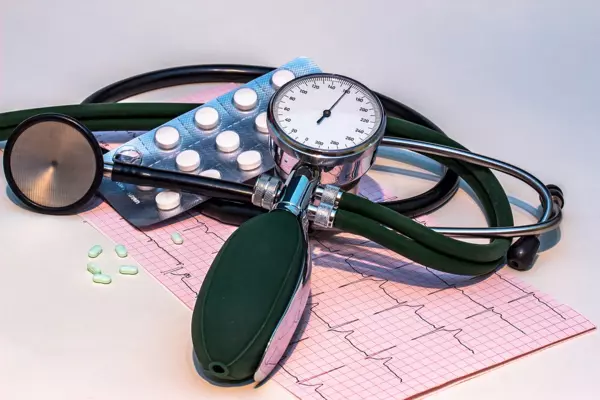
Cardiovascular checks record specific measurements such as blood pressure, blood lipids and blood sugar. These values can become abnormal early, even when there are no complaints. This allows health risks to be medically assessed and further investigated. Many pharmacies offer simple heart health checks. Men can have their blood pressure, pulse, blood sugar and cholesterol measured there and receive basic information about risk factors such as diet, activity or smoking.
From 35 years a general check-up is performed every three years. Blood pressure is measured and blood and urine values are determined. The focus is on cholesterol and blood sugar, as elevated values may indicate an increased risk of cardiovascular disease. From about 40 years it is often recommended to follow these tests more closely, especially if initial risk factors are present.
From 50 years targeted cardiovascular checks are recommended. These include regular monitoring of blood pressure and blood lipids and an ECG, especially if abnormalities or known risk factors are present. These examinations show whether further diagnostic steps are necessary. With a family history, smoking, overweight, high blood pressure or diabetes an earlier start may be advisable. Symptoms such as shortness of breath, chest pain or dizziness should also be assessed by a doctor promptly.
From 65 years a one-off ultrasound of the abdominal aorta is offered to detect an aneurysm. Appropriate intervals depend on age and individual risk. Regular health checks for men help plan these examinations appropriately.


Erectile dysfunction: 3 warning signs men ignore
Erectile dysfunction (erectile disorder, ED) often does not occur in isolation but can be related to vascular and metabolic health. Erectile dysfunction is present when no or incomplete erection is achieved during sexual intercourse and the problem persists for more than six months. If it occurs regularly, erectile dysfunction should be medically assessed, as both physical and psychological factors may be involved.
A possible connection is with vascular disease. Because the blood vessels in the penis are relatively small, they are sensitive to circulation problems. Erectile problems can therefore be linked to high blood pressure or arterial changes. Diabetes can also, through elevated blood sugar levels, affect vessels and nerves and influence erectile function.
Another area is metabolism. Elevated blood sugar levels can damage nerves and blood vessels in the long term. The connection with erectile dysfunction is not always immediately recognised, although changes can develop over time.
Psychological factors also play a role. Stress, performance anxiety or depressive moods can affect sexual response through stress mechanisms and mental strain. If erectile dysfunction persists for several weeks, a medical assessment is advisable to clarify causes and rule out other conditions.
Which symptoms point to prostate cancer?
Prostate cancer usually causes no clear symptoms in the early stage. Because there are no early signs, the disease is often detected later. Symptoms often appear only when the tumour is advanced or affects the urinary tract.
First clues often concern bladder function. These include frequent urge to urinate at night, a weak or interrupted urine stream and difficulty starting to urinate. In some cases urinary retention can occur. These complaints also occur with benign prostate enlargement.
Other signs are blood in the urine or in the semen and pain in the pelvis, lower back or hips. With advanced disease weight loss or reduced performance may occur. In some cases there are also erectile problems or pain during ejaculation.
Because the symptoms are nonspecific, a clear classification is not possible without examination. Regular preventive checks increase the likelihood of early detection. A urological assessment allows differentiation between benign and malignant causes.
Strong through life: the best tips for men's health
- Pay attention to a fresh, balanced diet to support your men's health in the long term. Regularly choose fruit, vegetables and whole grains and replace highly processed foods as often as possible with natural alternatives. This provides your body with important nutrients.
- Include healthy fats in your daily routine. Foods such as avocado, plant oils or fatty fish provide valuable fatty acids that play a role in many body functions. At the same time they contribute to a balanced dietary style.
- Ensure adequate protein intake to support muscles and body functions. Lean meat, dairy products or plant-based sources can help meet your needs and maintain your everyday performance.
- Keep an eye on your weight and rely on small, sustainable changes rather than radical diets. A long-term change of habits is usually more effective and easier to integrate into daily life.
- Drink enough water to support your metabolism. Two to three litres daily can help keep the body functioning and support important processes.
- Be active regularly to promote cardiovascular health. Moderate activity or more intense training sessions can help improve fitness and wellbeing.
- Combine endurance and strength training to strengthen your body holistically. Short, intense efforts can help stimulate the body's hormone production.
- Consciously reduce stress in everyday life. Short breaks, relaxation phases or a brief nap can help restore balance and strengthen your inner calm.
- Ensure enough sleep in a quiet and dark environment. Regular sleep supports regeneration, the immune system and many other important bodily functions.
- Also keep an eye on your mental health. If you notice persistent changes such as sleep problems, lack of drive or inner restlessness, it may be helpful to seek support.
- Avoid smoking as much as possible. It not only burdens the lungs but can also negatively affect blood vessels and other body functions.
- Support your body, if needed, with targeted micronutrients. B vitamins, magnesium or coenzyme Q10 can help support your resilience in daily life.
- Ensure a balanced supply of minerals such as zinc and selenium. These play a role in various body functions and can be useful as part of a balanced diet.
- Use plant-based ingredients consciously. Plants such as ginseng, ginger or ashwagandha are traditionally used to support the body during stressful phases and promote general wellbeing.
Men's health is not a one-time issue but a combination of lifestyle, diet, movement and mental wellbeing. Those who pay attention to their body, stay regularly active and reduce stress can do a lot for their long-term health. Small, consistent steps in everyday life often make the decisive difference. It is equally important to take warning signs from the Körpers seriously and to seek medical advice when in doubt. This creates a holistic approach that sustainably supports wellbeing, performance and quality of life.