
Foot blisters
How to walk 100 km without problems
What are blisters on the foot?
Blisters on the foot are fluid-filled cavities that form just beneath the outermost layer of skin. The outer skin layer usually remains intact while the tissue underneath is damaged. These skin changes typically occur where repeated mechanical forces act, for example from tight footwear or intense physical activity. They are especially common in people who walk a lot or put unusual strain on their feet.
There are different types of blisters, which differ not only in appearance but also in cause. The best known is the friction or pressure blister, filled with a clear fluid. There are also blood blisters, which occur when small blood vessels are injured. Blood mixes with the blister fluid, giving them a reddish-dark colour. Less commonly, pus-filled blisters appear, usually caused by inflammation or thermal damage such as sunburn or burns.
In certain cases, blisters can also appear as a symptom of illness. For example, chickenpox or eczema often produce multiple small blisters on the skin, which may be localised or widespread. Allergic reactions to insect bites can also cause blister-like skin changes, often accompanied by intense itching.
How do blisters on the feet develop?
Blisters on the feet usually develop from prolonged mechanical stress, where the skin is exposed over time to a combination of friction, pressure and sometimes moisture. When the skin is constantly stressed at certain spots, for example by poorly fitting shoes, unsuitable socks or long walks, the layers of skin are placed under tension. The normally tightly connected layers can separate from each other.
In the resulting space fluid accumulates, which may consist of lymph, cell fluid or, in severe cases, blood. This fluid forms a kind of cushion that protects the underlying skin from further damage and at the same time promotes healing. Areas particularly affected are those where the skin lies over bone or is heavily stressed during walking, such as the heels, the ball of the foot or between the toes.
Human skin consists of several functionally different layers. When external stimuli such as irritation or pressure exceed a certain threshold, this structure is disturbed: the connections between the skin layers break down, gaps form and the natural protective mechanism is activated. With continuous stress, the situation often worsens because the friction persists and the sensitive area continues to be irritated.
The depth at which a blister forms is decisive for its appearance and how painful it is. While superficial blisters are usually harmless, deeper injuries, for example at the junction between epidermis and dermis, can be considerably more painful. Many nerve endings run in these deeper skin layers and are stimulated when injured.
Should you pop a blister on your foot?
Whether a blister on the foot should be popped depends largely on the situation – as a rule, it is not recommended. The wound fluid serves a protective function: it cushions the sensitive injured skin area and protects it from further irritation and invasion by germs. If the blister is opened, the skin loses this natural protective mechanism – a painful infection can result, especially if dirt or bacteria enter the wound.
There are, however, exceptions, for example when the blister is very tense, very large or the pressure becomes unbearable, e.g. on long hikes with no opportunity to relieve the foot. In such cases it is important to proceed in a particularly hygienic manner: use only sterile instruments, e.g. a disinfected needle, and clean the area around the blister thoroughly with an antiseptic. The opening should be small and lateral so that the fluid can drain slowly. Afterwards a suitable treatment is necessary, preferably a hydrocolloid dressing that protects the sole and toes from further friction.
The skin over the blister should definitely be preserved. It acts like a natural plaster and supports wound healing. If it is removed, not only does the risk of infection increase, but sensitivity to pain also rises. Observe the puncture site closely after popping: redness, swelling, pus or increasing pain indicate inflammation – then you should consult a doctor.
Blisters on the foot: when to see a doctor?
In most cases a blister on the foot is harmless and heals without problems. However, there are situations where it is advisable to consult a doctor. For example, if pain, pronounced redness or unpleasantly odorous fluid occur in the area of the blister, this may indicate an incipient infection. Be particularly alert if the blister becomes unusually large or the condition does not improve over several days; medical evaluation may then be necessary to avoid complications.
People with diabetes should be especially cautious, as nerve damage caused by the disease often means that pressure points or injuries to the feet are not perceived in time. This increases the risk that even small blisters will become infected unnoticed. It is therefore important for people with diabetes to check their feet regularly and seek medical help early for any skin changes. A visit to a trained podiatrist may also be useful to prevent possible complications.
How can blisters be prevented?
To effectively prevent blisters on the feet, it is mainly about the interplay of proper footwear, suitable materials and careful care. Choose shoes that provide adequate support without squeezing or rubbing, ideally with soft padding and breathable materials. New shoes should be broken in before long distances to avoid pressure points. When lacing, make sure the shoe is snug but not too tight.
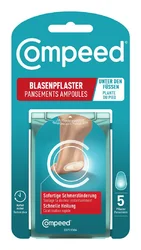
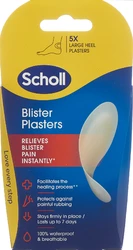
Sock choice also plays a crucial role: special technical socks or hiking socks made of moisture-regulating material protect against excessive sweating and reduce chafing. They should fit without folds so that no pressure points arise. Additional protection in sensitive areas is provided by special blister plasters or protective pads that specifically absorb friction.
For further prevention, it is advisable to care for your feet regularly. Well-hydrated skin with a stable barrier is more resistant to mechanical stress. In case of heavy sweating, use foot powder or antiperspirants to avoid a warm, damp shoe climate, as moisture significantly promotes blister formation.
On long hikes or during sporting activities, regular breaks are advisable to relieve the feet and let them dry. Shoes and socks can be briefly removed to improve ventilation. At the first signs of pressure or rubbing, act early: a timely plaster can still prevent an impending blister.
Home remedies for blisters on the foot: useful tips
- Apply aloe vera gel several times a day to the closed blister to reduce pain and support the healing process through its moisturizing and anti-inflammatory effects. Allow the gel to dry completely in the air before putting on socks or shoes.
- Prepare a saline compress by dissolving 1 tablespoon of salt in 100 ml of water. Chill a cloth soaked in this solution in the freezer and apply it to the affected area for 3–4 minutes to reduce swelling and irritation.
- Use boiled and cooled chamomile tea bags, placing them directly on the blister. Anti-inflammatory ingredients like bisabolol relieve pain and swelling.
- Prepare a foot bath with Epsom salts if the blister is not yet open. Dissolve 1–2 tablespoons of Epsom salt in warm water and soak your feet for about 15 minutes to soothe skin irritation and calm the skin.
- Dilute tea tree oil with water at a ratio of 1:3 and apply it to the blister with a cotton pad. Leave it on for ten minutes and then rinse with clear water to combat germs and support the healing process.
- Gently dab the affected skin with diluted apple cider vinegar for an antibacterial effect. Mix apple cider vinegar 1:1 with water, apply with a clean cloth and use several times daily.
- Prepare an apple cider vinegar foot bath by adding about half a cup of apple cider vinegar to a bowl of warm water. Soak your feet for 10–15 minutes to inhibit bacterial growth and clean the skin.
- Apply calendula ointment two to three times daily to the blister to prevent inflammation and keep the skin moisturised. Use hygienically clean hands or a clean cotton swab.
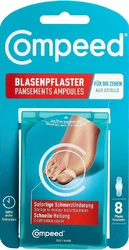
- Cover closed blisters with a special blister plaster to relieve pressure, prevent chafing and speed up healing. The gel pad in the plaster also protects against external influences.
- If the blister has already burst, be sure to clean the area with an appropriate wound disinfectant before applying a plaster. This prevents infection and promotes clean wound healing.
- At the first signs of blister formation, apply a plaster or tape to protect the affected skin from further rubbing. This prevents the blister from spreading or bursting.
- Avoid home remedies for open or inflamed blisters because of the risk of infection. Instead, disinfect the wound and have it examined by a doctor, especially if symptoms persist.
Although blisters on the foot generally do not cause serious problems, they can significantly limit mobility. Careful treatment and the right footwear are crucial for quick healing.