
Callus
How to prevent keratinocyte build-up on your feet
How does callus form?
Callus is often characterised by a yellowish discoloration and mainly appears on the soles or heels. Due to the hardening of the skin, these areas are less sensitive to pain than the surrounding skin. These hardened patches are frequently referred to as calluses.
The skin consists of three layers: epidermis (outer skin), dermis and subcutis. The top layer of the epidermis is largely made up of keratinocytes. These are the so-called horn cells, which renew constantly. The entire skin renewal process of the epidermis takes on average about 26–28 days. During this time the old keratinocytes become dry, dead flakes of skin which are then shed.
What health risks does excessive callus formation pose?
Although callus formation is a natural protective mechanism and not a sign of poor hygiene, it can be uncomfortable and painful. Excessively thick callus can contribute to cracks, inflammation, corns and other health issues.
When callus is cracked, pathogens have free access. Excessive callus formation should therefore be avoided not only for aesthetic reasons but also to preserve healthy feet and hands. Thick layers of callus that are already present should be removed in a timely and gentle manner at a specialised clinic.


Which factors promote callus formation?
When the skin is heavily stressed by pressure and friction (for example from tight shoes), this renewal process is disrupted. Under persistent pressure, the dead, keratinised cells cannot be shed. Since the skin continues to produce new keratinocytes at the same time, there is an increase in keratinocytes leading to keratinisation and thickening of the skin. This is referred to as callus formation. Callus is essentially a protective reaction of the body, forming this protective layer to shield our skin from mechanical stress.
Causes of increased pressure include overweight, deformities of the feet and/or toes, as well as poorly fitting socks and/or shoes. A preference for high heels also leads to an unnatural foot position, which can cause callus at the front of the foot.
Some people develop more callus than others. People with dry skin generally tend to develop thicker callus. In particular, older people often have drier skin due to reduced sebum production and therefore thicker callus. Also, very sweaty feet or an abnormal foot position increase the risk of callus formation.
Why are people with diabetes particularly affected by callus problems?
Moreover, people with diabetes frequently suffer from foot problems. It is common to diagnose extremely dry skin in these patients, a direct consequence of damaged blood vessels, nerves, sweat and sebaceous glands caused by high blood sugar.
When blood vessels no longer function properly, the skin is no longer sufficiently supplied with oxygen and nutrients. The moisture needed cannot be retained and the skin dries out. The main problem with dry skin areas is that many small cracks form there very quickly.
Easy care rather than problem area: the best tips against callus
- Wear comfortable shoes. Shoes must not pinch and should be neither too tight nor too loose. For certain deformities, special insoles can also help.
- Poorly fitting shoes can cause painful pressure points or even wounds. In addition to proper shoes, the foot climate is crucial. The material that comes into contact with the foot should be dry, breathable and flexible.
- Choosing the right socks reduces the load on the feet. Ideal are socks made of 100 percent cotton with a soft cuff. They not only prevent the cuff from cutting in painfully, but also allow good air circulation around the foot.
- Avoid high heels where possible and rotate your shoes regularly.
- Go barefoot regularly. This strengthens the muscles, improves circulation and lets the feet "breathe".
- Use pressure protection rings on particularly stressed areas of skin.
- Care for your feet regularly: in principle, well cared-for feet are the prerequisite to prevent excessive callus formation. Regular foot baths and daily application of a foot cream containing urea help prevent dry skin on the feet.
- Peelings and appropriate mechanical friction also reduce callus formation and at the same time can remove already present flakes of skin.
- Bathe your feet in warm, but not hot water.
- To get rid of excess callus, foot baths are recommended. It is best to add some table salt or Dead Sea salt to the water, which cleans and kills germs. In addition, a salt bath provides pleasant moisture to the skin. A foot bath should not last longer than fifteen minutes. After the foot bath, callus should be removed with a pumice stone, callus sponge or rasp. For very sensitive skin there are files covered with a kind of sandpaper. Remove only enough so that the skin is soft and pain-free. Finally, care for your feet with a moisturising cream.
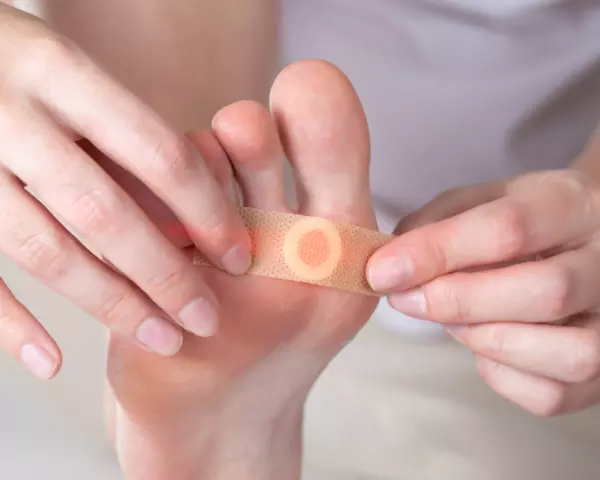
- Use special plasters containing salicylic acid, which can dissolve callus. Since this acid also affects the skin, it is advisable to discuss its use with a doctor beforehand.
- For thick callus, ointments containing salicylic acid (concentration 5 to 10%) can also help with care. It is advisable to apply these two to three times a week overnight and put cotton socks over them so that the active ingredient penetrates well. However, at too high a concentration salicylic acid can irritate the skin, especially if there are cracks.
- If the callus is not too thick, it is recommended to use a urea-containing cream every other day or so, depending on the severity of the callus, with a concentration of 5 to 20 percent.
- If the callus is not too thick, it does not need to be removed. It protects the feet from blisters and abrasions. Creams and ointments keep the callus supple and prevent it from enlarging.
- Avoid tearing off the skin or removing it with scissors. These methods carry a high risk of injury.
- It is not a good idea to remove callus several times a week. This only causes it to grow back stronger. Removal once a week is sufficient.
Care for this important protective layer of skin properly and painful calluses or corns will be a thing of the past!