Foot cream
The best way to silky, soft feet
Why is specialised foot care important?
Our feet carry us day after day through life — often under considerable strain. Yet they are frequently neglected in daily care. Targeted foot care is important to prevent callus formation, cracks, corns and dry skin.
Especially for people with diabetes or circulatory problems, the right care can help prevent infections and wounds that heal poorly. Well‑groomed feet not only look better but also feel much more comfortable — a crucial contribution to overall well‑being and mobility.
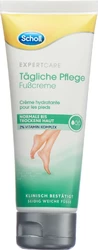
What types of foot creams are there?
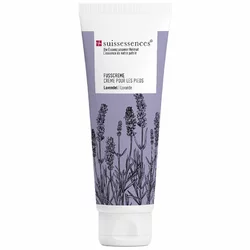
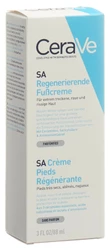
Foot creams come in many different formulations with various active ingredients specifically matched to the needs of the feet. These are the most common types of foot creams.
Moisturising foot creams are particularly suitable for dry and cracked skin. They contain ingredients such as urea or glycerin, which provide intensive moisture and make the skin more supple.
If you suffer from excessive foot sweating, anti‑sweat foot creams can help. They include ingredients like sage or zinc oxide that reduce sweating and prevent unpleasant odours. Callus formation is a common issue for people with particularly dry or stressed skin on the feet.
Callus‑reducing foot creams often include ingredients such as urea or lactic acid, which gently remove dead skin cells and can thus reduce callus formation.
If you have cold feet, warming foot creams may help. These often contain ingredients like capsaicin, derived from chillies, or menthol, which stimulate blood flow to the feet and create a warming sensation. Fungal infections of the feet are common conditions caused by bacteria and fungi.
Antifungal foot creams contain ingredients such as clotrimazole or miconazole that act against fungal infections and relieve symptoms.
If your feet are tired and overworked, regenerating foot creams can help. They contain ingredients like arnica or chamomile that soothe and renew the skin.
Which ingredients should a good foot cream contain?
Foot creams include a variety of ingredients. Urea is a humectant that supplies moisture to the skin and supports water penetration into the skin. This relieves dry and cracked skin and improves the appearance of the feet.
Shea butter is a natural moisturiser obtained from the nuts of the shea tree. It is rich in vitamins and fatty acids that moisturise and soothe dry skin.
Tea tree oil has an antiseptic effect and helps reduce unpleasant odours. It is often used in foot creams to prevent fungal infections and reduce odours.
Chamomile extract is known for its soothing properties and relieves skin irritations. It is often used in foot creams to calm dry, cracked skin.
Allantoin is a natural substance obtained from comfrey roots. It has soothing and moisturising properties and supports skin regeneration.
Glycerin is a natural humectant that hydrates and soothes dry skin.
Vitamin E is an antioxidant that protects and regenerates the skin. In addition, it moisturises and soothes the skin very effectively.
Which ingredients in foot creams are potentially harmful?
Parabens are used as preservatives in many cosmetic products. They are suspected of having hormonal activity and may be linked to certain cancers.
Mineral oils are often used in cosmetics to retain moisture in the skin. However, they can impede skin respiration and clog pores, leading to irritation.
Fragrances are added to foot creams to mask unpleasant odours. They can, however, sometimes cause skin irritation and allergies, especially in people with sensitive skin.
Formaldehyde is a preservative used in some foot creams. It is considered potentially carcinogenic and harmful to health and should preferably be avoided.
There are also some ingredients that some people cannot tolerate. Lanolin is a wool wax used in some foot creams. It can cause allergic reactions in some people. In some foot creams propylene glycol is used as a humectant and can cause skin irritation in some individuals. Salicylic acid, used in some foot creams to remove dead skin cells, can also trigger allergies in some people.
Care right down to the toes: tips for the correct use of foot cream
- Apply foot cream preferably after showering or bathing while the skin is still damp. This helps to lock moisture into the skin.
- Use a specialised foot cream tailored to the needs of your feet.
- Massage the cream gently into the skin to promote circulation.
- Apply a thicker layer of foot cream at night and put on cotton socks to retain moisture overnight.
- Use a foot cream with a peeling effect to remove dead skin cells.
- Avoid applying foot cream between the toes, as this increases the risk of fungal infections.
- Use a foot cream with vitamin E to improve skin elasticity and prevent callus formation.
- Choose a cream that also helps with pain and swelling if you regularly spend long hours on your feet or suffer from foot problems.
- For optimal results, the foot cream should be applied regularly, ideally once or twice a day.
- Focus application on the soles, the heel and the toes, as these areas are most stressed.
- Avoid applying the cream to open wounds or irritated skin to prevent infections.
Foot cream is a simple but effective means of caring for and protecting our feet and should play an important role in any body care routine.