Gout
An immensely painful disease
What is gout?
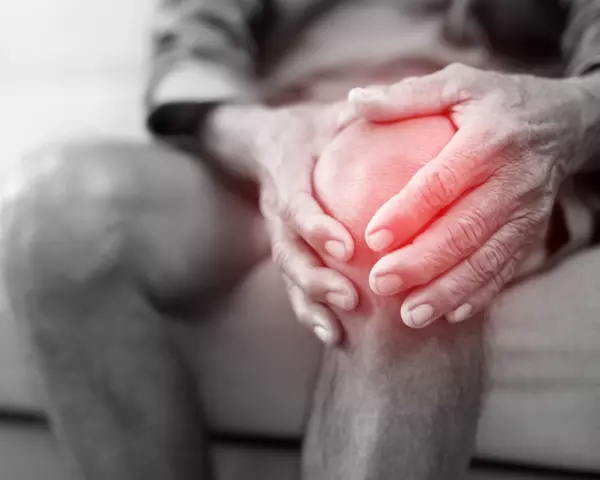
Gout is a metabolic disorder in which an elevated uric acid level in the blood leads to inflammation and severe pain in various joints of the body. Commonly affected are the knees, hands, elbows, fingers or ankles. The first painful gout attack often occurs in a joint far from the warm centre of the body, for example in the big toe joint. Temperatures there are usually lower and metabolic acids can accumulate. Both factors significantly impair the solubility of uric acid, causing crystals to deposit in the joint area.
Uric acid is produced during the metabolism of purines, chemical compounds that arise in the body by two routes. Purines are components of cellular genetic material and are formed when cells break down or decay. Certain foods such as meat, offal, some fish and vegetables also contain purines. Uric acid levels can also be raised by alcohol consumption.
Normally, uric acid is present in the blood and is filtered by the kidneys before being excreted in the urine. In people with gout, either too much uric acid is produced or the kidneys have difficulty excreting it. This disorder is called hyperuricaemia and is present when the uric acid level in the blood exceeds 7 mg/dl.
Uric acid can form sharp, needle-like crystals that mainly deposit in the joints and, together with the body's defence cells, damage cartilage structures and periarticular tissue. The affected joints tend to swell, redden and be painful – they therefore show typical signs of inflammation. Although joints are most often affected, crystal deposits can also form under the skin, in the kidneys (kidney stones) or in other urinary tract areas.
Not everyone who temporarily has too much uric acid will develop gout immediately. Only about one in ten people with persistently elevated uric acid levels actually develop gout. Whether the disease breaks out depends mainly on how long the uric acid has been elevated and how high it is. Often it is not possible to determine precisely why someone develops gout – this is then referred to as idiopathic gout. Many patients have several reasons for their elevated uric acid levels. This is referred to as a multifactorial cause.


What causes gout?
There are two types of gout: the primary and the secondary form. In the primary form the causes are unknown. It is suspected that the liver produces too many purines or that there is a congenital difficulty in excreting purines. This form is very rare.
By contrast, secondary gout has a known cause and is much more common. Secondary gout is often the result of acidification of the body due to diet, another existing illness or the side effects of certain medications such as diuretics.
An elevated uric acid level is frequently accompanied by other diseases such as diabetes, high blood pressure, heart problems, overweight, kidney problems and elevated blood lipid levels. Various factors such as stress, minor injuries, excessive alcohol consumption or surgical procedures can trigger a sudden gout attack. Studies also indicate that warm, humid weather and dehydration can lead to an attack.
High sugar content in drinks can increase the risk of gout, as some studies show. Intense physical exertion or rapid weight loss, for example through fasting, can also trigger a gout attack. During prolonged fasting or high energy expenditure, blood sugar falls sharply and the body begins converting fat into energy. This produces so-called ketone bodies that provide energy to the organs but also cause the kidneys to excrete less uric acid. In addition, during rapid weight loss the body must break down a lot of its own tissue, releasing a large amount of purines in a short time.
What symptoms occur with gout?
Gout occurs in flares with symptom-free periods followed by acute attacks of pain. The affected joint is very tender, swollen and warm. Gout attacks often begin at night and are limited to one joint. The pain can be so severe that even the weight of a blanket is unbearable. Additional symptoms can include chills and slight fever.
If gout attacks become more frequent and pain-free periods shorten, there may be a loss of mobility in certain joints. People with gout find simple tasks such as holding objects or walking more difficult. In advanced stages, joints hurt continuously without pain-free breaks. In severe cases visible deformities of finger or toe joints may occur that often cannot be reversed even with medical treatment.
What role does gut health play in gout?
A healthy gut flora is important for people with gout because probiotic bacteria can produce enzymes to break down uric acid. Taking prebiotics is important to promote the beneficial bacterial strains through diet and multiplication. There are also lactobacilli that support uric acid breakdown. Overall, pro- and prebiotics play an important role in gout management.
Timely treatment and healthy habits: how to prevent pain
- Early treatment of gout can slow or even halt its progression. The doctor offers patients various options to positively influence the severity of gout. Appropriate pain therapy and medications to lower uric acid levels prevent long-term joint damage and chronic inflammatory reactions.
- Physical and physiotherapeutic treatments play an important role in gout therapy. Surgical procedures such as implantation of an artificial joint are rarely required.
- Changing one's diet helps keep uric acid levels in the blood at a normal level (below 7 mg/dl). Purine-rich foods such as meat, processed meats, offal, crustaceans and certain fish like sardines, anchovies and herring should be largely avoided.
- Instead, foods low in purines, such as milk and dairy products, eggs, fruits and vegetables, should be preferred. Even for purine-rich vegetables like legumes, spinach, cabbage and asparagus, experts see the benefits of a balanced diet.
- It is better to avoid alcoholic beverages altogether or consume them only in very small amounts. Alcohol, especially beer, acidifies the blood and reduces the solubility of uric acid. Excessive alcohol consumption is often associated with an acute gout attack.
- To counter elevated uric acid levels, it helps to drink plenty, ideally 2 litres or more. Unsweetened teas or mineral water are suitable to flush excess uric acid from the body through the kidneys. Drinking water dilutes uric acid in blood and urine, making it easier for the body to excrete it.
- Fructose inhibits uric acid excretion similarly to alcohol. It interferes directly with the body's purine metabolism and causes a significant rise in blood uric acid levels within minutes after consumption. People with gout should therefore avoid fruit sugar–sweetened juices and soft drinks.
- Sour cherries lower uric acid levels and have an anti-inflammatory effect within five hours of consumption. Concentrated sour cherry juice is even more effective. In addition, sour cherries help colonise the gut flora with beneficial bifidobacteria.
- Curcumin also supports uric acid excretion and has anti-inflammatory properties. In adjunct therapy curcumin is important because it stabilises the microbiome. The gut barrier and the immune system are positively influenced and harmful microorganisms in the gut are suppressed.
- Alkaline foot, hand or full-body baths help excrete uric acid through the skin. Compresses with alkaline solutions applied to the affected joints can also help dissolve uric acid crystals so they can then be more easily excreted in the urine.
- To neutralise the acids formed, it is also advisable to support the body internally with high-quality minerals.
- The use of fatty acids can prevent the release of inflammatory mediators, which is why their use is sensible in gout and other inflammatory diseases. Omega-3 fatty acids are found mainly in oily sea fish. Since people with gout should not eat too much fish, taking high-quality omega-3 supplements is recommended.
- Reduce excess weight gradually. Strict diets only achieve short-term success and quickly release large amounts of uric acid, which can trigger a gout attack. It is better to switch to a long-term low-fat diet.
- Regular exercise and sport have been shown to lower uric acid levels and help with weight loss. But be careful: do not overdo exercise, as the lactic acid produced can inhibit uric acid excretion.
- During a gout attack it is important to rest the affected joints. In pain-free phases, exercises that strengthen muscles and improve joint mobility help maintain muscle tone. Additional treatments such as chiropractic care and cold applications are tailored by the physiotherapist to the patient's individual needs. Each person reacts differently to various treatment methods in different phases of the disease.
Many people are surprised how simple it is to have a big impact on their uric acid level with a few small lifestyle changes. Such an adjustment of habits can sometimes partly or even completely replace medication.