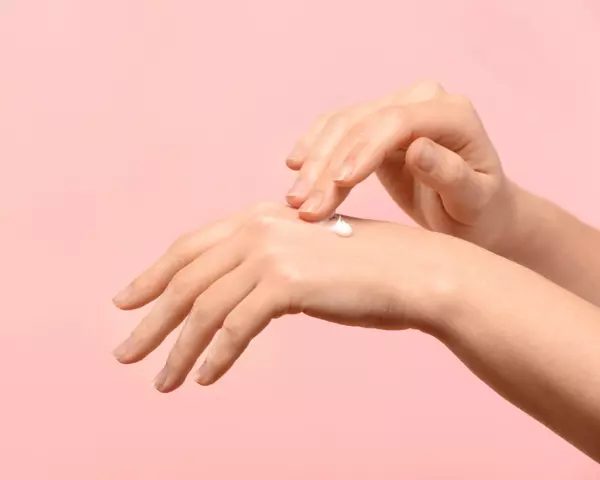
Hand care
Beauty for your most loyal helpers
editorial.overview
How is the skin of the hands structured?
The skin on the hands – especially on the back of the hand – is particularly sensitive. It is noticeably thinner than in other areas of the body and has only little subcutaneous fat. That means it is almost defenseless against external influences such as cold weather or friction.
In addition, there are very few sebaceous glands on the back of the hand. These normally produce lipids that keep the epidermis supple and protect against drying out. If this natural protective film is missing, the skin on the hands dries out faster and becomes cracked and rough.
Another important protective layer consists of lipids that hold the cells of the outer horny layer together. These fat components can also be removed by frequent hand washing, disinfectants, or contact with cleaning agents. The skin barrier becomes permeable, moisture escapes – and that is exactly what makes the epidermis on the back of the hands dry and prone to irritation and small injuries.

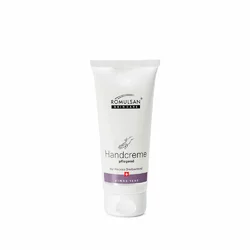
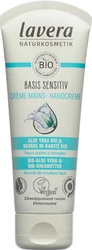
Why do hands need special care?
The skin of the hands is almost as sensitive as facial skin – but usually even less protected. Wind, heat, frequent hand washing, aggressive cleaning or contact with detergents attack the skin's natural protective barrier and strip away essential moisture.
For this reason, general body care is often not enough. Hands need targeted, protective care to stay soft, resilient and healthy. Special hand creams help to compensate for moisture losses, soothe the epidermis and strengthen the barrier function – so hands can keep doing what they do best.
Which hand cream is suitable for daily hand care?
Choosing the right hand cream is not an easy decision – it depends greatly on individual skin type, lifestyle and daily strain. Someone who works a lot outdoors, often comes into contact with cleaning agents or has dry skin will have different requirements than someone with sensitive or mature skin.
Age, occupation and personal care habits also play a role. While young skin often only needs a light moisture boost, mature skin requires richer care with regenerating active ingredients such as urea, panthenol or hyaluronic acid.
For daily hand care, creams that not only provide moisture to the epidermis but also strengthen its natural protective barrier are therefore suitable – ideally without feeling greasy, so they absorb quickly and can be used on the go. The best hand cream is the one tailored to individual needs and applied regularly.
Which hand cream is suitable for dry men's hands?
Dry men's hands need more than just care – they need intensive support to make cracked and rough skin soft and resilient again. Hand creams with ingredients like glycerin, urea or allantoin are particularly effective. They help to hydrate the epidermis deeply and speed up the healing of small cracks.
For heavily stressed hands – for example due to manual work, frequent washing or cold temperatures – richer formulas with plant oils such as jojoba oil or nourishing shea butter are also suitable. They strengthen the skin barrier and help retain moisture for longer.
It is important that the cream, despite its nourishing effect, absorbs quickly and does not leave a greasy film – many men prefer a simple, pleasant skin feel in everyday life. The ideal hand cream for men therefore combines intensive care with practical application – for strong hands that still look well cared for even under strain.
How often should I apply hand cream?
Occasional application is not enough – the ideal is to apply cream after every hand wash. This strengthens the skin's protective barrier and immediately compensates for moisture loss. Depending on skin type and season – for example in winter or with particularly sensitive skin – it can make sense to repeat the care in the morning, evening or as needed.
What do cotton gloves do to protect the hands?
Cotton gloves are more than an old‑fashioned care accessory – they can be a real tip for stressed hands. Especially in combination with a rich cream or ointment, they act like a natural treatment overnight. The cream stays where it should work – on the skin – and is not rubbed into clothing or bedding. This allows it to release its nourishing ingredients more intensively while the hands regenerate at rest.
In professional treatment, cotton gloves also have their place. They are often worn under disposable gloves to avoid sweating and moisture accumulation – a common trigger for skin irritation or eczema. A downside is that fingertip sensitivity is somewhat reduced.
Hand care done right: the best tips for silky‑soft, healthy hands
- Pamper your hands like your face. Hands are at work every day and deserve as much attention as the face. Use mild cleansers and high‑quality creams to protect them from environmental influences. A regular care routine not only prevents dryness but also preserves the suppleness of your epidermis.
- Use a re‑fatting soap. When washing your hands choose a pH‑neutral, re‑fatting soap with nourishing ingredients like shea butter or almond oil. This dries the skin less than conventional soaps. Wash your hands preferably with lukewarm water – hot water attacks the skin's natural barrier.
- After every hand wash is the ideal time for hand cream. The still slightly damp epidermis absorbs skincare particularly well. Make sure to work the cream into the spaces between the fingers and around the nails.
- Treat yourself to a weekly scrub. A gentle hand scrub removes dead skin cells and prepares your skin optimally for care products. Use a ready‑made scrub or make your own from honey, sea salt and olive oil. Once a week is more than sufficient – especially in winter.
- Take time to work the hand cream in slowly and thoroughly – from the back of the hand over the palm to the fingertips. This stimulates circulation, is relaxing and increases the effectiveness of the treatment.
- For an intensive care treatment apply a thick layer of hand cream in the evening and put cotton gloves over them. Before putting on the gloves, it is advisable to rub the cream in well and gently massage the hands to stimulate blood flow. Overnight the cream can penetrate deep into the epidermis – in the morning your hands will feel noticeably softer.
- Cleaning agents and frequent rinsing attack the skin strongly. Always wear household gloves when in contact with water and chemicals. They protect against drying out and help prevent irritation.
- The cuticle protects against germs and should therefore neither be cut nor torn. Soak your hands in an oil bath and gently push the cuticle back. Then care for it with a nail oil or nail cream.
- Apply a hand mask once a week. Like the face, hands also benefit from a mask. Special hand masks with hyaluronic acid, aloe vera or shea butter provide intense moisture and visibly regenerate stressed epidermis.
- Change products according to the season. In winter your hands need richer care products that are more re‑fatting and protect against cold weather. In summer a lighter lotion with UV protection is often sufficient. Match your products to your skin's needs.
- Pay attention to proper nutrition. A balanced diet with vitamins such as biotin, vitamins A and C and zinc contributes to the health of your skin and nails. What you eat often shows directly on the skin of your hands.
- The cuticle protects against germs and should therefore neither be cut nor torn. Soak your hands in an oil bath and gently push the cuticle back. Then care for it with a nail oil or nail cream – regular and gentle nail care is essential for healthy, well‑groomed hands.
- Dry hands can also be a sign of dehydration. Drink enough fluids throughout the day to hydrate the skin from within.
Hand care is much more than a beauty routine – it protects the skin from external influences and preserves its natural barrier function. Especially through frequent washing or changing temperatures, the delicate epidermis of the hands is heavily stressed and needs targeted care. Those who clean, moisturize and protect regularly not only contribute to the health of their hands but also maintain a well‑groomed appearance.