
Hawthorn
Natural support for the heart
What is hawthorn?
Hawthorn, also known by names such as whitethorn, is a shrub of the rose family (Rosaceae). It is widespread in the temperate regions of the Northern Hemisphere and prefers moist soils and relatively cool habitats. It occurs both wild in woodlands and at the edges of forests and cultivated in parks or gardens.
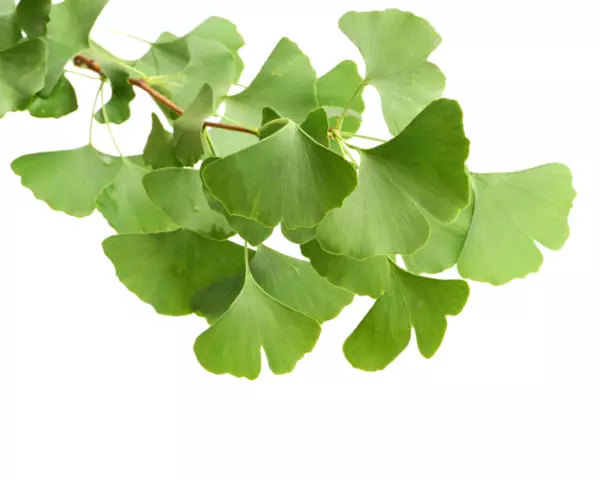
It is typically seen as a dense, often thorny shrub or small tree. In spring it leafs out early and produces deeply incised, lobed leaves. Between May and June it has a striking flowering period when the shrub is covered in white, strongly scented flowers that attract numerous insects. After flowering, small red fruits with a somewhat mealy texture develop and are eaten by birds and other animals. They are edible for humans as well, although the taste is generally rather mild.
Beyond its natural distribution, hawthorn has long been cultivated and used in various contexts, for example as a hedging plant, whose thorny branches serve a protective function. Leaves, flowers and fruits are mainly used and are harvested at different times. The plant also finds uses in cooking and traditional applications.
Which constituents are found in hawthorn?
Hawthorn contains a range of natural plant compounds, with concentrations that vary depending on the plant part. Buds, flowers, leaves and bark are particularly rich in these constituents, while the fruits contain lower concentrations.
The most important components include flavonoids and oligomeric procyanidins (OPC), which are classified as secondary plant substances. In addition there are bitter principles, essential oils and vitamin C. This combination gives hawthorn a broad spectrum of natural constituents that are discussed in relation to various bodily functions. Leaves and flowers also contain caffeoylquinic acid, which has antioxidant properties.
What makes hawthorn special?
Hawthorn is particularly valued for its diverse properties described in traditional use, which relate to the interplay of the heart, circulation and nervous system. In traditional applications it is often presented as a plant able to positively influence several physical and emotional areas at once, rather than being limited to a single aspect.
An important point is that hawthorn is attributed a supportive effect on heart function. Certain plant compounds can increase the performance of the heart muscle and positively influence the function of blood vessels. At the same time it is said to have a balancing effect on the circulatory system, as it has traditionally been used to help regulate blood pressure.
Hawthorn is also often mentioned in connection with the nervous system. It is said to promote a calming sense of balance in cases of inner restlessness or stress. Its antioxidant properties also contribute to its versatility.



Who benefits most from hawthorn?
Hawthorn is frequently used by people who experience mild stress-related strains or inner restlessness in their daily lives. It is traditionally used for nervous tension that may also show physical symptoms.
People who occasionally suffer from sleep disturbances or periods of increased nervousness may also benefit from hawthorn. It supports the body during stressful situations and helps promote greater inner balance.
Additionally, it is recommended for adults and, in certain cases, for adolescents of an appropriate age when mild stress-related symptoms occur. It is always a prerequisite that no serious medical causes are present.
Can hawthorn cause side effects?
Hawthorn is generally described as well tolerated and, according to current knowledge, no typical side effects or interactions are known. Nevertheless it is noted that, as with many herbal products, individual reactions cannot be completely ruled out, especially in sensitive individuals.
In some cases mild, temporary complaints may occur. These mainly affect the digestive system and can present as a general feeling of discomfort. However, these effects are described as rare and usually resolve once use is discontinued. Other occasional reactions such as headache, dizziness or a temporary feeling of light-headedness are also mentioned in certain situations.
How to integrate hawthorn into daily life – practical tips
- Where possible, choose standardized finished preparations in the form of tablets, capsules, drops or dragees. These contain a consistent amount of active constituents and are therefore easier to control.
- Plan for regular use over several weeks. Keep in mind that effects are usually easier to assess after two to four weeks, as they develop gradually.
- If you want to prepare a tea from leaves and flowers, use about one to one and a half grams of dried plant parts per cup of 150 millilitres of hot water. Let the tea steep for about 15 minutes and then strain the plant parts so that the constituents can be released well.
- Drink the tea regularly over several weeks, usually three to four times a day one cup, if used as part of a routine.
- Alternatively, a daily amount of about three to six grams of the dried herbal drug can be taken distributed over the day, depending on the form of preparation.
- If you prefer culinary uses, you can process hawthorn fruits into purée, jellies or other food products.
- Store dried plant parts in a dry, dark place to preserve quality and shelf life as best as possible.
- If in doubt or in case of health particularities, have the use assessed by a professional beforehand to better determine the appropriate form.
- Avoid use in special life situations such as pregnancy, breastfeeding or in children under 12 years, unless a professional consultation has taken place.
- Stop or interrupt use if you do not wish to continue or if a consultation seems appropriate.
Hawthorn has a long tradition and holds a special place in the native plant world, illustrating the interplay between nature and cultural use. It still impresses today with the diversity of its properties.