

Retinol
Discover the ultimate anti‑ageing secret weapon for your skin
What is retinol?
Retinol belongs to the group of retinoids and is a form of vitamin A, which is why it is often simply referred to as vitamin A. This fat‑soluble vitamin is essential for the human body. To be absorbed optimally, the body needs a small amount of fat. Therefore, vitamin A–rich foods are best consumed with a little oil.
The requirement for vitamin A is generally met through diet. Foods particularly rich in vitamin A include liver, cod liver oil, egg yolks, butter and cream.
Vitamin A plays a central role in the function of the light‑sensitive nerve cells in the retina that are important for night vision. It also supports the health of the skin and the mucous membranes of the lungs, intestines and urinary tract, and protects against infections.
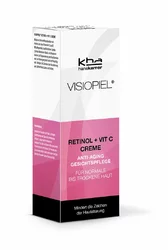
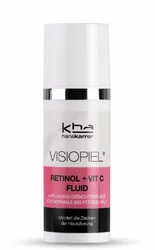
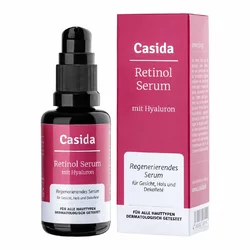
What does retinol do in the skin?
Retinol has a variety of positive effects on the skin. It penetrates the stratum corneum, the outermost layer of the skin, and reaches the dermis, the deeper layer. There it binds to specific receptors in the cells and exerts its effects.
In the skin, retinol is converted by an enzyme into its active form, retinal. This active form stimulates various cell types, including the cornifying keratinocytes, connective tissue cells (fibroblasts), pigment cells (melanocytes) and immune cells (Langerhans cells).
Retinol promotes the growth of keratinocytes, thereby strengthening the skin barrier and reducing water loss. It supports collagen formation and protects against the breakdown of collagen fibres, improving skin elasticity and firmness. Retinol also stimulates the formation of new blood vessels, which promotes skin renewal and circulation.
To be effective, retinol must be used at a concentration of at least 0.025 % so that it can penetrate the skin well and fully exert its action.
How do retinoic acid, retinol and retinal affect the skin?
Retinoic acid, retinol and retinal are different forms of vitamin A, each with distinct effects on the skin and a range of benefits.
Retinoic acid, also called tretinoin, is the biologically active form of vitamin A and is available by prescription only. It has the strongest effect among retinoids because it acts directly in the skin. Retinoic acid promotes cell renewal, reduces fine lines and wrinkles and improves skin texture, but it can also cause skin irritation.
Retinol is the most potent over‑the‑counter retinoid. It is slowly converted into retinoic acid in the skin, which reduces the risk of irritation. Retinol smooths the skin, reduces signs of skin ageing, clears clogged pores and treats acne and pigmentation spots. It also stimulates the production of collagen and hyaluronic acid, aiding wound healing and skin hydration.
Retinal, also known as retinaldehyde, is similar to retinol but converts to retinoic acid more rapidly, making it more potent but slightly more irritating. It improves skin texture, reduces wrinkles and pigmentation and supports acne treatment.
How does retinol differ from other active ingredients like hyaluronic acid?
The main difference is the mode of action: while hyaluronic acid provides hydration, retinol increases cell turnover and stimulates collagen production to improve skin structure.
However, both can be combined to achieve a synergistic effect. It is recommended to apply a retinol product at a low concentration first and then use a hyaluronic acid serum or cream to hydrate and soothe the skin. Regular use and protection from environmental stressors are key to optimal results.
Which other actives can be combined with retinol?
To maximise benefits, retinol can be combined with a variety of other hydrating and soothing actives. These include hyaluronic acid, ceramides, vitamin E, aloe vera and B‑group vitamins such as niacinamide.
Exercise caution when combining with vitamin C, as the acidic vitamin may affect retinol's action. It is therefore recommended to use vitamin C in the morning and retinol in the evening for better results.
Irritating ingredients such as chemical peels, various fruit acids, waxing and alcohol‑based cleansers should be avoided as they can make the skin more sensitive and lead to irritation.
What retinol dosage is best for the skin?
To get the best results with retinol, it is advisable to increase the concentration gradually. Start with a low concentration from 0.1 % to 0.3 % and raise it slowly to avoid skin irritation. For inexperienced or sensitive skin, low concentrations are ideal, while medium concentrations around 0.5 % suit those seeking faster results.
For stubborn issues such as deep wrinkles or acne scars, a higher concentration from 0.5 to 1 % may be considered under medical supervision. Ultimately, the best dosage depends on your individual skin tolerance and specific needs.
How to use retinol best: important tips
- Use retinol‑containing products preferably in the evening, as the skin needs a few hours to absorb the vitamin and then becomes more light‑sensitive. In the morning, apply a day cream with SPF.
- Start with a low dose and increase it slowly to avoid skin irritation.
- If you plan to use a retinol serum or oil, perform a patch test on a small area first. Apply the product once weekly in the evening to cleansed skin and gradually increase the frequency if needed up to three times per week.
- Choose the appropriate formulation according to your skin's needs. Milder retinol esters (retinol precursors) are often found in creams, while pure retinol is usually present in serums and oils at concentrations up to one percent. Tretinoin (retinoic acid) is prescription‑only and available as tablets or topical ointment.
- For optimal effect apply a pea‑sized amount to the face, neck and décolleté. For retinol oils, up to 4 drops may be used.
- Expectant mothers should avoid high‑dose retinol and other retinoids, as excess vitamin A in the first weeks of pregnancy can harm the foetus. Consult your gynaecologist before using retinol‑containing cosmetics.
- Be aware that retinol use can cause side effects. In case of severe reactions such as redness, pain or allergic responses, discontinue use and consult a physician.
- Be patient, as it can take several weeks for your skin to adapt to retinol and for visible results to appear.
Retinol offers an impressive range of benefits for the skin, from reducing fine lines and wrinkles to improving skin texture and treating acne. It is therefore an effective component of a balanced skincare routine that can improve skin structure and promote a radiant appearance.