Herbal teas
How to enjoyably prepare your magic herbs
What are herbal teas?
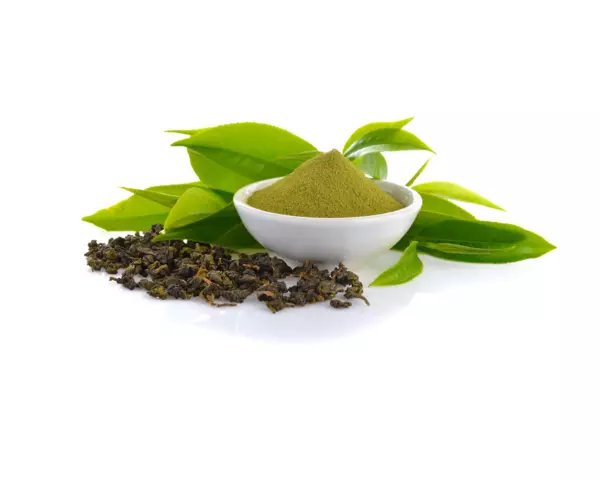
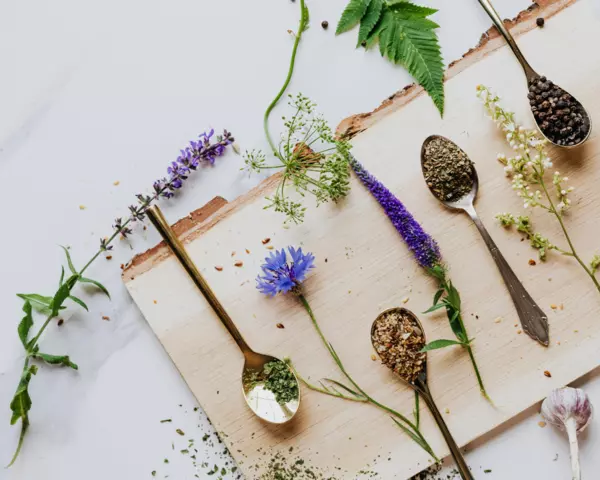
Herbal teas are not true teas: they do not come from the tea bush and they lack caffeine. Various parts of plants are used to make herbal teas: roots, leaves, flowers or fruits (seeds) of the herbs. Whether freshly harvested or dried, they can become an aromatic, health-promoting infusion.
In shops you can find different herbal teas as infusion bags or loose leaves. Their active ingredient content depends on the type of herb as well as its quality and storage. All herbal teas release vitamins and minerals during infusion, yet each variety has its speciality and can work wonders, for example with general malaise, headaches, menstrual discomfort, insomnia or stomach upset. When used correctly, herbal teas unfold their often underestimated effects on our health and wellbeing and provide an aromatic taste experience.
Which preparation methods are there for herbal teas?
An herbal tea can be prepared as an infusion, decoction, boiling or cold maceration from fresh or dried herbs.
For an infusion, pour boiling water over the herbs, then let them steep for 5–10 minutes, cover to prevent the essential oils from evaporating and drink hot or cooled.
For a boiling, herbs and roots are first covered with cold water and then brought to the boil.
Sometimes a decoction is useful to extract healing substances from the herbs. For this, plants (usually the hard parts such as roots and bark) are boiled in water for 10–15 minutes.
If heat-sensitive active substances are to be obtained, the herbs are left in cold water for several hours and the extract is only warmed up when used. This method is called a cold maceration or macerate.
For which health problems is chamomile tea effective?
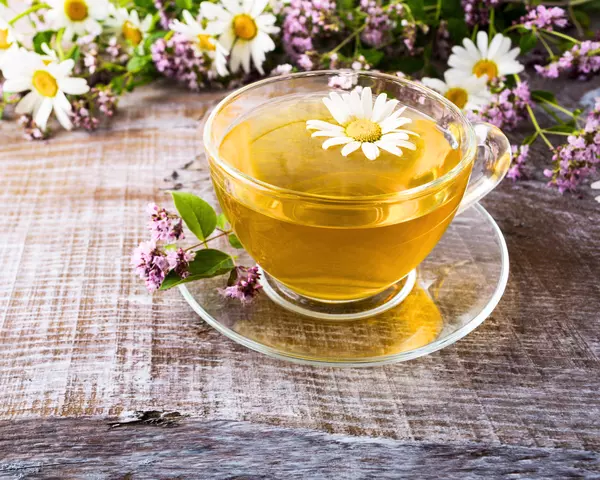
Chamomile tea is known for its calming and healing properties and can help with various health issues. It is anti-inflammatory and antispasmodic and is often used for gastrointestinal complaints such as bloating, digestive disorders or nausea.
It also supports relaxation and is used for sleep disorders and nervous restlessness. Chamomile can also soothe skin irritations and inflammations when applied as compresses or baths.
Which other herbal teas are most commonly drunk?
Peppermint tea soothes the stomach, refreshes the airways and promotes fat digestion.
Valerian tea relaxes the nervous system, helps with inner restlessness and sleep problems.
Tea made from crushed fennel seeds stimulates digestion and helps with gastrointestinal complaints such as bloating and abdominal cramps, as well as with coughs and lung conditions.
Sage tea acts as a disinfectant, is anti-inflammatory, antispasmodic and reduces sweating; it is very effective for inflammations of the mouth and throat and for gum inflammations.
Ginger tea prevents nausea, harmonises the digestive system, soothes cough reflex, reduces fever and is also recommended for menstrual pain and migraine.
Anise tea works through the essential oils it contains as an expectorant, antispasmodic and immune stimulator, promotes milk flow in breastfeeding women and helps with respiratory illnesses.
Nettle tea is diuretic, anti-inflammatory, supports healthy blood formation thanks to a high iron and folic acid content and strengthens skin, hair and nails through its silicate content.
Best tips for preparing and choosing herbal teas for your wellbeing
- For most herbal teas, pour one tablespoon into a quarter litre of water and let the tea steep for 6 to 8 minutes. Most herbal teas can be brewed a second time.
- Always pay attention to the correct dosage when preparing herbal teas, otherwise unwanted side effects may occur.
- Medicinal herbal teas are not meant to be a continuous daily drink and should not be consumed for longer than a month without medical advice. Some teas can be taken in cure form after consulting a doctor. For serious illnesses, do not rely solely on the effects of herbal teas.
- Since most herbal teas do not contain stimulants or tannins, they can also be used for children. Still, follow the package instructions.
- For people wanting to lose weight, herbal teas offer many tasty options and (if unsweetened) provide no calories. Herbal teas can help avoid sugary soft drinks and can be consumed during a diet if they do not stimulate appetite. However, note that herbal teas cannot make up for a poor diet.
- It is recommended to drink herbal teas in small sips and calmly so they can fully unfold their effects. Do not drink medicinal teas on a full stomach. It is best to drink herbal teas in the morning on an empty stomach, 1–2 hours after eating or before going to bed. Active substances are better absorbed on an empty stomach.
- If you cannot drink an herbal tea unsweetened, sweeten it with honey or add a dash of apple juice or a few drops of lemon juice.
- Medicinal herbal teas are not only for drinking. An infusion can be used for gargling, inhaled as a steam inhalation or applied as compresses soaked in herbal tea to sore areas. Larger quantities of herbal tea can also be used as a bath additive.
- Herbal teas should preferably be stored cool and dry in a dark glass or ceramic container. Plastic boxes are not suitable because they may contain softeners that can greatly impair the quality and thus the effect of the tea.
Enjoy the aromatic preparations that provide valuable benefits to your health!