Herbal infusion
The green magical potions from nature
What is an herbal infusion?
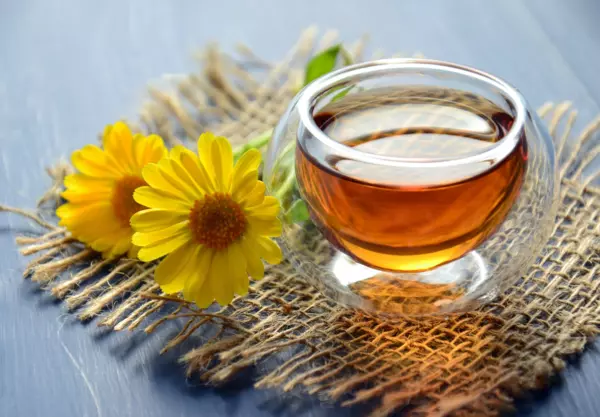
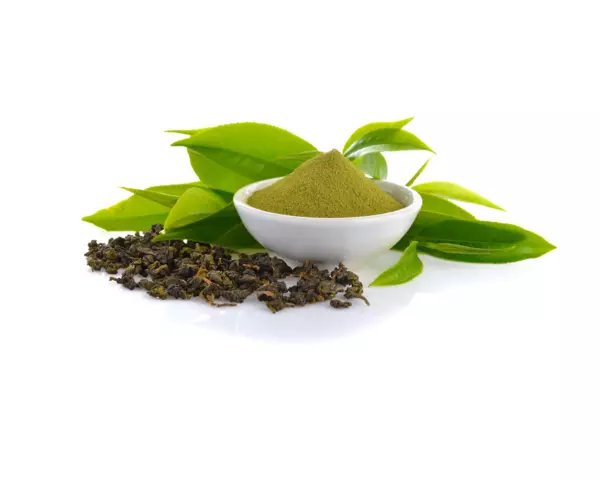
The herbal infusion, also known as herbal tea, is a traditional method for extracting active compounds from plant parts such as flowers, leaves or finer stems. The plant material is poured over with hot water and left to steep for a period of time.
This releases the essential oils and medicinal constituents of the plants, which are valued for their health-promoting properties and flavour.
The essential oils, which are crucial to the medicinal value of many healing plants, evaporate quickly, so it is important to cover the vessel during steeping to preserve these valuable ingredients. The amount used varies by plant, but a general guideline is one teaspoon of dried herb per cup of water.
Besides infusions, there are other methods such as decoction for tougher plant parts like roots, barks or seeds, which release their constituents through prolonged boiling. This method is more effective for extracting certain compounds from robust plant material.
Another technique is the cold water extraction (maceration), suitable for very delicate constituents that may be damaged by heat. The plant parts are left to steep in cold water overnight.
Which herbs are best for a relaxing herbal infusion?
There are many herbs known for their calming properties that are suitable for preparing a relaxing herbal infusion. The selection depends on the desired effect and personal preference.
Chamomile is known for its soothing properties and is excellent for relaxing before bedtime. It helps calm the mind and promotes healthy sleep.
Lemon balm is frequently used for stress and restlessness due to its calming effects. Its lemony scent can lift the mood.
Valerian has antispasmodic and relaxing properties and can ease nervousness, anxiety and sleep disturbances.
Hops are rich in lupulin, which has a calming and sleep-promoting effect.
Lavender has been valued for centuries for its calming effects, promoting peaceful sleep and through-sleep.
How does an herbal infusion work?
The health effects of an herbal tea depend on the herbs used, as each plant contains unique bioactive compounds that can have different effects on the body.
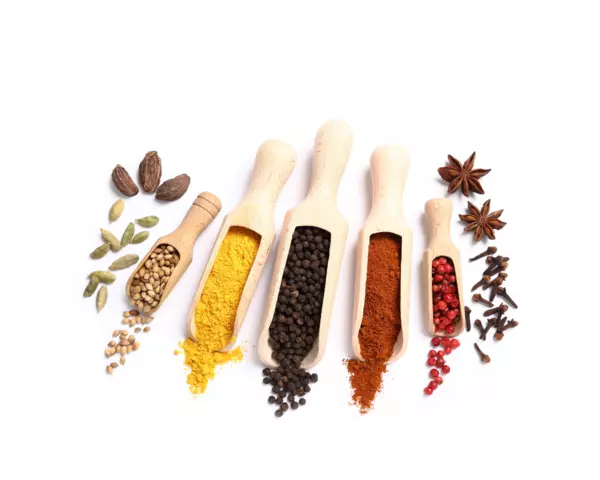
Many herbal infusions contain herbs such as peppermint, chamomile or ginger, known for their digestive benefits. They can help with stomach complaints, bloating and cramps. Some herbs like turmeric and willow bark contain compounds with anti-inflammatory properties that can help relieve pain and inflammation.
Infusions with echinacea or elderberries support the immune system and may help prevent colds and flu or shorten their duration. Many herbs are rich in antioxidants, which protect the body from harmful free radicals and contribute to overall health and wellbeing.
How to prepare an herbal infusion correctly?
An infusion is prepared with hot, but not boiling, water. This is ideal for teas made from flowers, leaves or finely chopped root and bark pieces. A level teaspoon of dried or a tablespoon of fresh herbs per cup of water, covered and steeped for 3–10 minutes, allows optimal extraction of valuable essential oils and active compounds. For a more intensive use, e.g. during a fasting or detox cure, the amount may be adjusted.
What else can herbal infusions be used for?
Herbal infusions are not only found in the teacup but prove to be multifunctional remedies. They enrich the hair care routine as natural rinses that boost strength and shine. As a bath additive they turn bathing into a relaxing and skin-nourishing experience. In the home, they act as natural fragrance enhancers to create a pleasant atmosphere.
Preparation and use of herbal infusions: helpful tips
- Pay attention to water quality. Use fresh, low-mineral water for preparing your infusion whenever possible, as water quality strongly affects the taste.
- Pour hot but not boiling water over the herbs to avoid destroying delicate flavours and active compounds.
- Herbal infusions should always be prepared fresh and consumed immediately after steeping to retain the best flavours and active ingredients.
- Boil very tough plant parts such as roots or bark to extract plant constituents effectively.
- Observe steeping times. Times vary by plant part: flowers approx. 7–10 minutes, leaves 10–15 minutes, roots and bark 15–20 minutes.
- For a therapeutic effect, about 3 cups (750 ml) of herbal infusion should be consumed throughout the day.
- For preparation, about 14 grams of herbs per litre or about one teaspoon per cup (150 ml) are recommended.
- To preserve aroma and efficacy, store infusions cool, dry and in dark containers.
- Experiment with different herb blends to achieve specific flavours or healing effects. However, check compatibility of herbs with each other first.
- Be aware of possible interactions. Some herbs can interact with medications. When in doubt, consult a physician or pharmacist.
Herbal infusions offer a variety of health benefits and are a simple, natural way to incorporate wellbeing and relaxation into daily life. They allow you to experience the power of nature directly and support a healthy lifestyle through the targeted use of plant ingredients.