
Histamine
What a red face after eating can mean
What is histamine?
Histamine is an essential natural compound. It acts in our body as a tissue hormone, but is also widespread in the plant world, in animal organisms and in bacteria. Particularly high concentrations of histamine are found in the skin, lungs, stomach, intestines and the diencephalon.
Its main task is defence against foreign substances. As soon as these enter our body, whether through food or injury, histamine is produced in larger amounts. It causes tissue to swell, and this seemingly unpleasant process is actually sensible and protective for us. In addition, histamine is an important regulator of the central nervous system, involved in control of appetite and the sleep–wake cycle, as well as in regulating gastric acid production.
How does histamine intolerance develop?
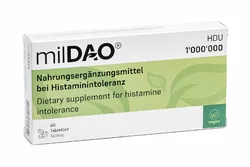
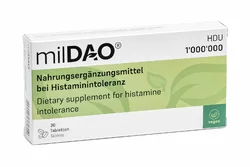
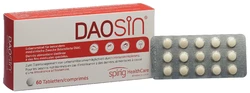
As a rule, we tolerate the histamine present in foods well. The enzyme diamine oxidase (DAO), which is produced in the gut, ensures that production, intake and degradation of histamine remain in balance. If this process, which is imperceptible to us, gets out of balance, histamine intolerance can occur.
A deficiency of vitamin B6 and copper can further worsen the situation, as these substances are required as co‑factors for DAO activity. The imbalance between histamine intake and breakdown causes a variety of complaints, because histamine is only partially degraded and histamine‑containing foods can promote or trigger pseudo‑allergic reactions.
What symptoms occur with histamine intolerance?
Because histamine is present in many organs, an excess of this substance can manifest in different parts of the body through various complaints.
Coughing, shortness of breath, headaches, itching, palpitations, redness, swelling, acid reflux, sleep disturbances, nausea as well as cramps in the gastrointestinal tract and in the uterus are by no means all possible symptoms. The most common symptoms are digestive problems, intolerance to certain foods, a blocked nose and swollen mucous membranes.
Why do some people react more sensitively to histamine than others?
Why does histamine intolerance occur in some people and not in others? Although the reasons are not yet fully understood, researchers assume that sex and hormonal balance, diet, medication, a lack of certain nutrients, a tendency to allergies and other illnesses play a role. A high stress level further influences the severity of symptoms.
Getting histamine under control: natural ways to relieve symptoms
- The tolerance threshold varies from person to person. It is advisable to keep a food diary to determine which amounts of histamine you can consume without symptoms. Record everything you eat and drink and any complaints that follow for several weeks. This helps your nutrition specialist to create a personalised diet plan for you.
- A 3‑week elimination is considered highly effective: avoid histamine‑rich foods and products that promote increased histamine release or inhibit histamine breakdown for three weeks to allow the irritated intestinal mucosa to recover. Afterwards you can slowly reintroduce individual histamine‑rich foods and test tolerance for two days each time.
- Histamine‑rich foods include: cheese (especially hard cheeses), pickled and preserved foods, smoked meats, ham, salami, tuna, herring, anchovies and mackerel, seafood and canned fish, soy products, sauerkraut, pears, eggplant, oranges, kiwi, wheat products, yeast, nuts, vinegar.
- Be aware that even small amounts of histamine‑containing foods taken together with alcohol favour the occurrence of symptoms. Particularly histamine‑rich are French red wine, Chianti and muscat wine.
- You should also avoid foods that themselves do not contain much histamine but can release stored histamine in the body. These include citrus fruits, strawberries, chocolate, bananas, legumes, caffeine, tomatoes, spinach, avocado, beans and alcohol.
- Also eliminate products that inhibit the DAO enzyme. These are black and green tea, nettle tea, energy drinks, alcohol as well as food additives (glutamate, benzoates, colorants, sulphites, nitrites).
- Low‑histamine foods include fresh cheese, fresh chilled or frozen meat, freshly caught fish and fresh seafood, fresh fruit (melon, blueberries, lingonberries, lychees, mango, persimmon, rhubarb, cherries, bilberries, currants, apricots, apples), fresh vegetables (leaf lettuce, all types of cabbage, beetroot, pumpkin, onion, radish, turnip, bell pepper, carrots, potatoes, cucumber, leek, courgette, corn, asparagus, garlic), pasta and cereals (spelt, corn or rice pasta, yeast‑free rye bread, corn or rice crispbread, rice, oats, corn, rice and millet flour), vegetable juices, herbal tea and egg yolk. However, note that the low histamine content of a food alone does not determine its tolerability for a specific person.
- In general: eat foods as fresh as possible, avoid overripe foods and products undergoing fermentation or ripening (such as sauerkraut or parmesan). Soak fish before preparation, as histamine is water‑soluble. Prefer young cheeses (e.g. Butterkäse), spreadable cheeses, fresh cheese, cottage cheese and quark instead of hard and long‑ripened cheeses, cooked sausages instead of raw sausages, pretzel sticks and potato chips (of course without flavour enhancers and yeast extract) instead of nuts.
- Be aware that histamine also forms during storage and processing of foods. Long‑stored products, foods kept warm or reheated, especially those with a high protein content, cause many problems for people with histamine intolerance.
- A healthy gut plays an important role in the fight against histamine intolerance. Bacterial strains such as bifidobacteria, Lactobacillus gasseri, Lactobacillus rhamnosus and Lactobacillus salivarius support your gut flora in its balance. Bifidobacterium longum and Bifidobacterium infantis even have histamine‑reducing effects.
- Taking vitamin supplements with vitamin C and B6, which serve as co‑factors for diamine oxidase, is sensible. Consult your doctor for appropriate dosage and form.
- Taking antihistamines half an hour to an hour before a meal helps if, despite histamine intolerance, you wish to enjoy cheese and red wine occasionally.
These tips and tricks lead to a healthy change in eating habits that will most likely bring relief!