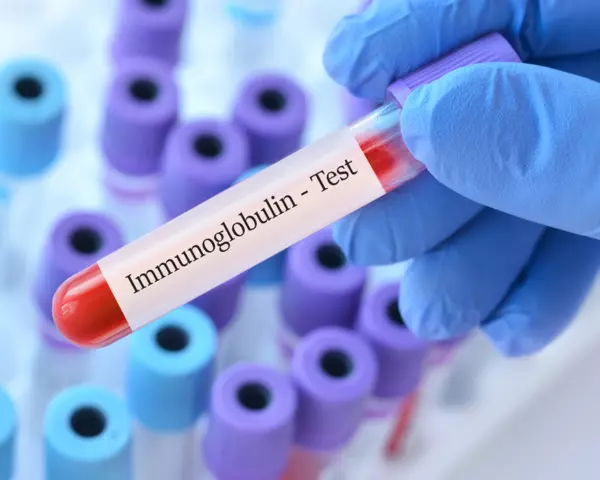

Immune system
The impressive protective shield against viruses and bacteria
editorial.overview
Where is the immune system located in the body?
The immune system is a widely branched network of different organs, tissues and cells distributed throughout the body. The most important components are organs such as bone marrow, thymus, spleen, tonsils and lymph nodes. They are spread across the body and work together to protect the organism.
The immune system is divided into different areas that are active in different places in the body. The lymphatic system, which includes the lymph nodes and lymphatic tissue, plays a central role in immune defence. In addition, the skin and protective layers form an outer barrier that prevents foreign substances and harmful microorganisms from entering the body. Blood and blood vessels also have an important function because they transport defence cells to the various organs and tissues.
Is the immune system innate?
The immune system is divided into two areas: the innate and the adaptive immune defence. The innate immune system is active from birth and forms the body’s first line of defence. It responds non‑specifically, i.e. it fights intruders regardless of the type of pathogen.
Among the protective mechanisms of the innate immune system are the skin, which acts as a physical barrier, and the mucous membrane barriers that ward off pathogens with mucus or specialised secretions. In addition, organs such as the stomach produce gastric acid that kills germs. An essential component are specialised defence cells such as phagocytes, which „engulf" and destroy pathogens. They are crucial for the body’s rapid response to infections and also send signals to activate other defence cells.
What are the main tasks of the immune system?
The essential task of the immune system is to protect the body from harmful microorganisms such as bacteria, viruses and fungi. Various organs and systems of the body work closely together in this process. Skin and mucous tissues form the first protective barrier and prevent pathogens from entering. The defence process already starts here, with mucous membranes and skin trapping microbes.
Another important component are the palatine and pharyngeal tonsils, which bring bacteria that have entered the mouth into contact with defence cells. The thymus, a gland in the upper chest, plays a central role in the formation and differentiation of lymphocytes (white blood cells). These cells learn there to distinguish between the body’s own cells and foreign cells, which is necessary for a targeted immune response.
The spleen has several roles in the immune system: it removes old red blood cells, stores phagocytes that fight pathogens, and promotes the multiplication of lymphocytes that later mature in the thymus. The bone marrow also contributes to immune defence by producing red and white blood cells as well as platelets, which are then sent to other organs for proliferation and maturation.
The gut is of particular importance for immune defence. About two‑thirds of the antibody‑producing immune cells are located here. They recognise and destroy invaders and store information about them so they can react faster to subsequent attacks. The gut flora also supports the defence mechanism by keeping harmful microorganisms at bay.
What causes a weakened immune system?
A weakened immune system can be influenced by various factors related to lifestyle and physical conditions. One main cause is an unhealthy diet lacking essential nutrients such as vitamins and minerals needed for the production and function of defence cells. Stress can also have a significant impact: prolonged stress leads to increased release of stress hormones that negatively affect the immune system and weaken the body’s defences.
Lack of exercise can also impair the immune system, as regular physical activity promotes circulation and helps immune cells perform their tasks more efficiently. Another relevant factor is lack of sleep. During sleep the body recovers and the immune system is strengthened. Too little sleep impairs this regeneration and makes the body more susceptible to infections.
Frequent alcohol and nicotine consumption additionally affect immune defence negatively. These substances disrupt the function of defence cells and thereby reduce the body’s ability to fight pathogens effectively. Certain underlying conditions, such as chronic respiratory diseases or metabolic disorders, can also weaken the immune system because the body is already occupied with managing the primary disease.
Age also matters. With increasing age the performance of the immune system declines, making older people more vulnerable to infections. Young children also have an immature immune system and are therefore more susceptible to infections. Finally, pregnancy can temporarily weaken the immune system due to hormonal changes and increased energy demands.
How do we know if our immune system is weakened?
A weakened immune system is mainly noticeable through increased susceptibility to infections. Anyone who falls ill frequently and easily, especially with colds or flu‑like infections, often has a longer recovery time. Common symptoms such as cough, runny nose, sore throat and fever can indicate that the immune system is not able to fight pathogens effectively. But the signs are not always so obvious.
In less pronounced cases, a weakened immune system also presents with nonspecific symptoms perceived as general malaise. These include constant tiredness, exhaustion and a general feeling of weakness. People with a weakened immune system often feel listless and lack drive, which can affect their performance in daily life. Other signs are excessive sensitivity to cold and loss of appetite, which may indicate that the body is not functioning optimally.
Which vitamins strengthen the immune system?
Vitamins such as C, D3, A and B12 are essential for an optimally functioning immune system. Vitamin C promotes the production of white blood cells that fight pathogens and protects cells from damage. It also supports collagen formation, which is essential for skin and mucous tissues as a barrier against microorganisms.
Vitamin D3 activates and regulates immune defence, including T and B cells, and has anti‑inflammatory properties. Supplementation can be useful, especially in winter. Vitamin A strengthens mucous membranes as a first line of defence against harmful microorganisms and supports the production of red blood cells. Vitamin B12 improves oxygen supply to the cells needed for defence cell function and is involved in communication between the nervous and immune systems.
Healthy gut = strong immune system?
A healthy digestive tract is the key to a strong immune system. The gut is not only responsible for digestion but is also the body’s largest immune organ. Its tissue contains numerous immune cells that are constantly in contact with foreign substances and pathogens. The gut‑associated lymphoid tissue (GALT) ensures that harmful germs are kept at bay while useful bacteria and food components are tolerated.
The gut flora, i.e. the community of bacteria living in the digestive tract, is an important partner of the immune system. It helps displace unwanted germs, strengthens the intestinal barrier and supports defence cells in distinguishing between “friend” and “foe”. A healthy diet rich in fibre and prebiotics, together with adequate fluid intake, promotes a balanced gut environment and thus contributes to strong defences.
How to strengthen your immune system: useful tips
- Eat a healthy, balanced diet. Include plenty of fruit and vegetables, healthy fats, fish, meat and wholegrain products in your daily meals. This is the best way to cover your needs for important nutrients.
- Blueberries and other berries such as raspberries or strawberries provide antioxidants and phytochemicals that strengthen the immune system and protect cells from damage. Enjoy them fresh or in a smoothie.
- Eat citrus fruits like oranges and lemons and other vitamin C sources such as bell peppers, broccoli or parsley. These support your immune system through their antioxidant and anti‑inflammatory properties. Prefer fresh foods, as vitamin C is heat‑sensitive.
- Daily consumption of 2–3 garlic cloves can reduce the risk of infection. Lightly heated garlic is better tolerated and compounds such as allicin sustainably strengthen the immune system.
- Support your gut health with probiotic foods. Eat unsweetened natural yogurt, kefir or sauerkraut. The probiotics they contain improve the microbiome, which is essential for a functioning immune defence.
- Drink enough (at least 2 litres per day), otherwise the mucous membranes in your nose and throat dry out, which limits the natural barrier against pathogens. Prefer mineral water and herbal teas, but also diluted fruit juices. Sage, cloves, ginger and honey have antimicrobial properties and make pleasant additions to herbal teas in cold seasons.
- Protect yourself from infection with good hygiene. Washing hands is one of the most effective tips to prevent colds, as most pathogens are transmitted via the hands. Avoid touching your face and be aware that viruses are easily transmitted when shaking hands or touching door handles or shopping trolleys.
- Ventilate regularly: open the window wide even in winter three to four times a day for ten minutes. This exchanges stale, virus‑rich air for fresh, oxygen‑rich air.
- Boost your circulation with saunas and contrast showers. Blood vessels constrict and dilate alternately, defence cells reach an infection site faster and the number of white blood cells increases. However, if you already have a cold, you should avoid this to avoid placing extra strain on the body.
- Move as much as possible outdoors to get your circulation going. Dress appropriately. Even short, regular bouts of activity strengthen the immune system. Regular exercise improves the function of granulocytes and macrophages so that messengers and receptors react efficiently to pathogens.
- Relax. Strong physical or psychological stress and chronic stress weaken the defences because the body produces too much stress hormone cortisol, which promotes cardiovascular disease and increases susceptibility to infections. Build small breathing‑space breaks into your day, delegate tasks and take a hot relaxing bath.
- Avoid alcohol and nicotine, which weaken your immune system. Even a single binge deactivates the defences for 24 hours, impairs the function of defence cells in the blood and can also negatively affect the formation of memory cells.
- Both the quality and duration of sleep are of great importance because the body’s defences recover most effectively at night. Large amounts of immune‑active substances are released during sleep. Studies have shown that regular sleep of six to nine hours can protect against colds.
- Support your leukocytes and monocytes with sufficient sleep to strengthen your immune system. Findings from immunology show that this supports effective immune responses against parasites and reduces the risk of autoimmune diseases.
- Avoid crowded places where you can hardly protect yourself. Avoid close physical contact, otherwise the risk of encountering someone with a cold increases.
A strong immune system is essential to fend off disease and stay healthy. Through healthy lifestyle habits we can actively support it and optimise its performance.