Lymph nodes
How your army against disease is formed
editorial.overview
What function do the lymphatic vessels have in the body?
The lymphatic system is our internal cleaning service, ensuring that everything runs smoothly: it collects waste products, metabolic debris, fats, bacteria and even abnormal cells from every corner of the body and transports them out of the body as quickly as possible.
Fluid constantly seeps from tiny blood vessels into the tissues. This fluid, also called blood plasma or lymph, bathes our cells and supplies them with necessary nutrients. When cells no longer need something and want to get rid of it, it is taken up by the lymphatic vessels and carried away.
While blood capillaries take up fine metabolic end products, lymphatic capillaries capture bacteria, toxins, heavy metals, chemicals, viruses, fungi and much more. They transport this “garbage load” in the lymph to the veins near the collarbone. There the purified lymph is returned to the bloodstream, and the body’s detox organs, the liver and kidneys, remove the “waste” permanently from the body.


What role do lymph nodes play in the immune system and where are they located in the body?
Lymph is cleaned in the lymph nodes, which are distributed along the lymphatic vessels like filter stations. In the lymph nodes there is not only filtration, but also active detoxification and breakdown of harmful substances. Filled with phagocytic cells, lymph nodes serve as a training ground for defensive cells (lymphocytes). Here toxins are neutralised, bacteria are eliminated, cellular debris is recycled and even cancer cells are fought. Thus lymph nodes are an important part of the immune system.
Lymph nodes are small, round or oval capsules of connective tissue, usually only a few millimetres in size. Most of the roughly 600 to 700 lymph nodes are located in the head‑and‑neck area, but they are present throughout the body. Some lie deep, for example in the abdominal cavity, others can be felt under the skin when they swell. Such palpable lymph nodes are found on the head, neck, in the armpits, in the groin and behind the knees. They have blood and lymphatic vessels connecting them to both circulatory systems and house immune cells such as B and T lymphocytes.
When do lymph nodes swell and what are possible causes?
When foreign bodies, e.g. bacteria, are detected in a lymph node, lymphocytes multiply and form a defence system. A swelling is often a sign of the body’s natural reaction to a threat. Typically the swelling subsides on its own within a few days. In rare cases, swollen lymph nodes may also be a sign of a serious disease such as cancer.
The medical term for swollen lymph nodes is lymphadenopathy. When lymph nodes swell, their location can provide clues about the disease. With a cold, pathogens enter the body through the mouth and nose. Therefore the tonsils and lymph nodes in the head and neck area are often affected, accompanied by symptoms such as a runny nose, fatigue, fever and sore throat.
Many other bacterial and viral infections can also cause swollen lymph nodes. Poor oral hygiene can lead to gum inflammation. Viruses or bacteria can cause throat inflammation that often spreads to the tonsils. The result is swelling of the lymph nodes in the neck. Scarlet fever can also cause swollen lymph nodes in the neck. In infectious mononucleosis, infection of B lymphocytes in the lymph nodes by the Epstein–Barr virus results in a general swelling of the lymph nodes.
What are the different types of lymphomas and their symptoms?
Sometimes lymph nodes swell not only in response to pathogens but also with malignant diseases of the lymphatic system. In such cases it is called a lymphoma when lymphocytes in the lymph nodes grow and multiply uncontrollably. There are three types of lymphoma: Hodgkin lymphoma (Hodgkin’s disease), non‑Hodgkin lymphoma (which includes about 30 different types) and multiple myeloma (bone marrow cancer). Typical symptoms are fever, severe night sweats and unintentional weight loss. Depending on the tissue or organ involved, additional symptoms may occur, such as cough or breathing difficulties, abdominal pain with digestive disturbances, as well as bone and joint pain.
Doctors often pay attention to swollen lymph nodes. If the swelling is short‑lived and painful, it may be a harmless swelling due to an infection. However, if the swelling persists for weeks or months, is painless or continues to grow, it may indicate a serious disease. Imaging techniques are used to establish a clear diagnosis.
How do swollen lymph nodes feel?
Swollen lymph nodes feel like hard nodules the size of a pea or a grape. A lymph node is considered suspicious if it has a diameter of more than one centimetre. Lymph nodes are easy to feel and are normally present on both sides of the body. You can compare them by palpating both sides.
Swollen lymph nodes in the neck can sometimes be painful, especially with sudden movements or when chewing firmer food, and are accompanied by other symptoms such as cough or flu‑like complaints. In 40–80% of cases, swollen cervical lymph nodes are due to an infection with streptococci or staphylococci. The swelling usually subsides within 10–14 days.
Swollen lymph nodes in the armpit can be caused by infections, injuries or diseases and usually go away when the infection resolves. They are rarely a sign of cancer.
Swollen lymph nodes in the groin can be caused by injuries or infections such as athlete’s foot, genital herpes, gonorrhoea, bladder infection or syphilis.
Lymph node swellings behind the ear are generally painless and may be associated with bacterial, viral or fungal infections. Allergic reactions or certain cancers such as lymphomas or leukaemia can also be the cause.
When should you see a doctor for swollen lymph nodes?
If your lymph nodes are swollen and you feel like you have a cold, keep warm and rest. If the swelling persists for more than three weeks or is accompanied by night sweats and fever, you should see a doctor. Particular caution is warranted if a lymph node on one side of the body remains swollen for an extended period without you feeling ill. Unintended weight loss and night sweats develop over time, so it is advisable to consult a doctor if you notice such changes.
How can you support your lymphatic system and prevent swollen lymph nodes?
- Lymph is rich in fluid and exceeds the volume of blood in the body. Its optimal flow depends on fluid intake. Too little fluid intake leads to thickening of the lymph and possible stagnation, while well‑hydrated lymph promotes the removal of debris, toxins and pathogens. To cleanse the lymph and support the effectiveness of other measures, drink enough water daily, ideally 30 ml per kilogram of body weight. Smoothies, vegetable juices and herbal teas also count toward total fluid intake.
- Regular movement is crucial for healthy lymph flow. A simple method is rebounding on a mini‑trampoline. Alternatively, tai chi, yoga, stretching, pilates, dancing, cycling, running, swimming or walking can stimulate lymph flow. Choose activities you enjoy doing daily. A mini‑trampoline in the living room enables convenient training, and other devices such as steppers, treadmills or rowing machines are effective options for daily use at home. Integrate movement into your daily routine to promote lymph cleansing.
- Deep breathing is essential for lymph cleansing and promotes lymph flow. Lie down comfortably, close your eyes and inhale slowly through the nose so that the breath reaches the belly. Count at least to five, preferably to eight. Then exhale slowly through the mouth, let the breath flow and try to maintain the exhalation for five to eight seconds as well. Repeat this exercise two to three times daily for at least 10 to 15 repetitions to thoroughly cleanse the lymph.
- For effective lymph cleansing, various herbs are recommended that clean the lymph in different ways and at the same time strengthen the lymphatic system. Horsetail, taken as a fresh plant juice or in drops, strengthens connective tissue and promotes drainage. Bromelain from pineapple enzymes cleans the lymph and prevents oedema. Horse chestnut seed extract protects vessel walls and prevents fluid retention. Alternatively, a tea blend of calendula flowers, nettle herb, birch leaves and horsetail (in equal parts) can be used.
- Fast food and processed foods place a constant burden of residues on the body. A healthy, alkaline‑leaning diet with fresh, unprocessed ingredients not only reduces the burden on the lymphatic system but also provides important nutrients for the regeneration of lymphatic organs. This diet also supports the efficient function of excretory organs such as the gut, liver and kidneys, allowing the lymphatic system to better clean itself.
- The lymph can only be cleansed if the digestive system is clean, as it is directly connected to the lymphatic system. A healthy gut is therefore crucial for lymph cleansing. Taking a high‑quality probiotic promotes a healthy gut flora, fights putrefactive bacteria and fungi, supports detoxification and strengthens the immune system.
- Implement steps that support the body’s detoxification, such as sauna sessions, taking bentonite and supplying antioxidants like OPC, astaxanthin, sulforaphane and curcumin.
- Lymphatic massage can be used in addition to active lymph flow through exercise and breathing exercises to dissolve lymph stagnation and cleanse the lymph. Lymphatic massage is particularly effective for stimulating lymph flow when sporting activities are not possible, e.g. during bed rest or pain. There are different forms of lymphatic massage, including self‑massage, which can be a useful self‑help measure especially for headaches or dizziness caused by lymphatic stasis in the head.
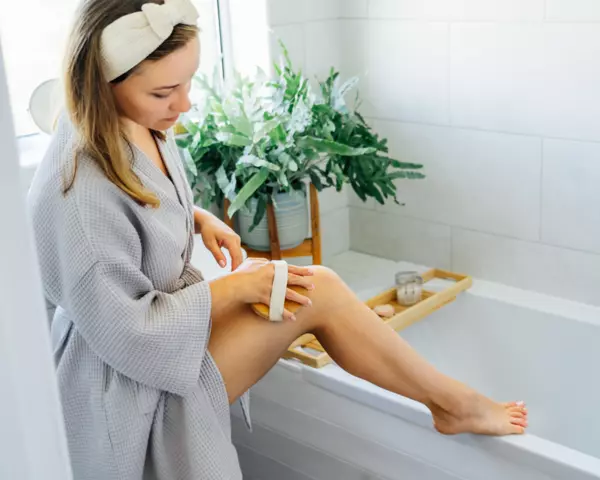
- Dry brushing is an effective method for cleansing the lymph and stimulating lymph flow. Performed daily before the morning shower, it not only helps reduce cellulite but also gives the skin a soft, smooth and rosy appearance. The massage can last between 2 and 20 minutes in the morning and at midday, with the morning application being especially good for circulation.
- Tight‑fitting clothing should be avoided as it can hinder the natural lymph flow. Tight clothes promote lymph stagnation and can impair the normal function of the lymph nodes.
- Emotional stress can influence lymph flow and hinder the lymph’s self‑cleansing. We often stay stuck in negative behaviour patterns and seem unable to change. This inability to remove blockages can manifest physically as lymph stagnation. A more open and freer approach to life can help release these tensions more easily. It may be worth looking more closely and considering why changes are so difficult when you repeatedly find yourself in similarly unpleasant situations. A talk with friends, a therapist or a pastoral counsellor can open up new perspectives and perhaps also release the lymph stagnation.
- Not every person with swollen lymph nodes needs to see a doctor immediately. However, a doctor’s visit is recommended if the lymph nodes are very painful, discharge pus, measure two and a half centimetres or more in diameter, feel rock‑hard or if there are risk factors for HIV or tuberculosis. Fever and unexplained weight loss are also warning signs that require medical attention.
From defending against pathogens to detoxifying the body, lymph nodes work tirelessly. In their apparent smallness lies a great power for our health. Through preventive measures we can support lymph nodes as a protective mechanism of our body and lead a more vital life.