Incontinence
How to stop urine leakage
What is incontinence?
Incontinence refers to an involuntary loss of urine when you cannot consciously control bladder emptying – even if you only lose a few drops between trips to the toilet.
What controls bladder emptying?
Bladder emptying is not a simple process: special centres in the brain and spinal cord as well as muscle and nerve networks are involved and work together closely.
Every part of this well-designed system must function correctly for bladder emptying to proceed smoothly. Initially, urine should be stored for a certain period in the urinary bladder. During this time the bladder muscle and bladder wall remain relaxed so the bladder can expand. The sphincter is contracted in this state so urine stays in the bladder. When it is time to empty the bladder the bladder muscle contracts. The pelvic floor muscles and the sphincter of the bladder relax, allowing urine to flow out.
What causes incontinence and what are the risk factors?
If these finely tuned processes are disrupted, incontinence can occur. There are many causes. The bladder sphincter can become weak with age and due to hormonal changes, as tissue elasticity decreases.
The pelvic floor muscles can also be weakened by overweight, so urine is not held back effectively when abdominal pressure increases. The same can happen after abdominal surgery and after pregnancy.
Nerve damage from certain diseases (Alzheimer’s, Parkinson’s, multiple sclerosis, stroke, spinal cord injury) can prevent nerve impulses from reaching their destination in the brain, making it impossible to control the urge to urinate.
Other risk factors include an enlarged prostate in men, diabetes mellitus, bladder stones, urethral strictures and urinary tract infections.
What types of urinary incontinence are there?
There are different types of urinary incontinence. In stress (effort) incontinence you lose urine involuntarily when coughing, sneezing, laughing or carrying heavy objects – whenever abdominal pressure increases. You do not feel an urge to urinate, and over time a few drops are lost with each movement.
Urge incontinence is characterised by a sudden, strong urge to urinate even though the bladder is not yet full. Urine is often lost on the way to the toilet and this is referred to as an overactive bladder.
Stress and urge incontinence can occur together; this is called mixed incontinence. With nerve damage or an enlarged prostate, continuous dribbling from a full bladder may occur – this is called incontinence with retention. There are also reflex incontinence, extra-urethral incontinence, bedwetting and other forms of incontinence.
Getting through daily life safely: the best tips for incontinence
- Keep a fluid and bladder diary, medically called a micturition protocol. Note when and how much you drank and when and how much you passed. Record any involuntary urine loss and how strong the urge was. This diary helps your doctor identify causes and prescribe appropriate bladder training.
- Avoid bladder-irritating products such as coffee, spicy foods and alcohol, and ensure regular bowel function to prevent constipation. Balanced bowel function is also important for a healthy bladder.
- Avoid drafts and cold that can irritate the bladder. It is also important to go to the toilet regularly as a preventive measure.
- If overweight, lose excess kilos in a healthy way. Losing weight alone can reduce incontinence symptoms. For stress incontinence, a 10% weight loss significantly eases symptoms.
- Properly performed pelvic floor training under a physiotherapist’s guidance helps to activate weakened pelvic muscles specifically. Note that it takes time to see improvement. Many exercises can, however, be integrated into daily life unnoticed.
- Autogenic training or other relaxation techniques often help with urge incontinence.
- To avoid additional strain on the pelvic floor, do not subject it to increased pressure. Avoid heavy physical work and sports such as jogging, and treat cough and constipation promptly. If you are a sports fan, favour swimming, cycling and Nordic walking.
- Drink enough water. For an average person this should be one and a half to two litres daily. If you drink too little, the urine becomes concentrated and irritates the bladder muscle. Cranberry juices are also good to help prevent urinary tract infections.
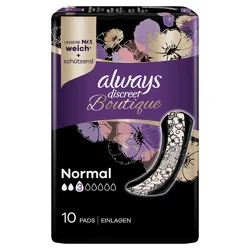
- If necessary, use aids such as pads or incontinence briefs. These are available with different absorbency levels. Regular sanitary pads are not suitable as they do not absorb enough liquid and are not designed for strong odours.
- Pay particular attention to proper skin cleansing and care. With incontinence the affected skin is often moist and needs special care. There are special creams and gentle cleansers for this purpose.
Incontinence does change daily life, but these tips can help relieve uncomfortable symptoms and restore control over bladder emptying!