
Haemorrhoids
Every second person has them – and often won’t talk about it
What are haemorrhoids and what function do they serve?
Every person has haemorrhoids. The word “haemorrhoids” comes from Greek and means “blood flow”. These are small, well‑blood‑filled vascular cushions at the exit of the rectum that have a very important role.
Working closely with the sphincter muscle, haemorrhoids help to properly close the bowel to the outside. Dr. med. Marcus Plonsker explains: „While the sphincter only holds back stool, haemorrhoids are responsible for retaining fluids and gases". These vascular cushions fill with blood and seal the outlet like a sponge. As a result, when passing wind only air escapes and nothing else.
How does haemorrhoidal disease develop?
In some people these important vascular cushions are swollen. In that case they cause unpleasant symptoms, medically referred to as haemorrhoidal disease.
A loss of fine closure occurs when the supporting tissue in the anus weakens. This can be familial or occur as a result of increased pressure on the anal canal. Pressure on the supporting tissue of the haemorrhoids increases significantly with overweight, pregnancy and childbirth, when lifting heavy objects, and with chronic constipation as well as with frequent diarrhoea.
Which symptoms point to haemorrhoidal disease?
Haemorrhoidal disease often presents with painless, bright to red bleeding during or shortly after a bowel movement, especially when straining. The vessel walls of haemorrhoids are thin and can be damaged by hard stool.
Some people feel a slight sensation of pressure in the anus, and over time the enlarged haemorrhoids pressed when sitting can become very painful. Other typical complaints include annoying smearing after stool, itching, burning, oozing, a foreign‑body sensation in the anal area or the feeling of incomplete bowel emptying after going to the toilet. When swollen haemorrhoids protrude from the anus, this is called a haemorrhoidal prolapse.
What are the four degrees of severity of haemorrhoids?
Four degrees of severity of this condition are distinguished. In the first degree the haemorrhoids are only slightly enlarged and not visible from the outside.
In the second degree the vascular cushions protrude during bowel movements or some physical activities, but they retract on their own.
In the third degree haemorrhoids are larger and need to be pushed back manually.
The fourth degree is characterised by vascular cushions that remain permanently outside the anus and can no longer be pushed back. A small piece of the anal mucosa may also protrude from the bottom in this case.
From diet to hygiene: holistic tips for haemorrhoids
- According to proctologists’ recommendations, you should not postpone going to the toilet and the visit should not last longer than two to three minutes. You can place a small footstool in front of the toilet, as this position supports bowel movements. Prevent constipation to avoid heavy straining.
- Pay attention to a fibre‑rich diet with wholegrain products, legumes, vegetables and fruit. These foods make stools softer. If needed, reach for soaked prunes or sauerkraut – these foods have a laxative effect. Constipating foods to avoid include strongly brewed black tea, cocoa, blueberries, bitter chocolate, grated apples and pureed bananas. Avoid coffee and spicy foods as they can irritate the mucosa.
- Take a tablespoon of wheat bran, flaxseed or psyllium a day with at least one glass of water. These products contain many swelling fibres and therefore expand well in the bowel to promote and ease bowel movements.
- It is very important to drink plenty of fluids. If you drink less than one and a half to two litres of water daily, constipation may occur.
- Clean the anus carefully with water or a pH‑neutral washing lotion after every bowel movement. You can use a soft cloth. If you use toilet paper, moisten it slightly with a little water first. Do not rub too hard and then gently pat the anus dry with dry paper. Depending on the product, avoid wet wipes from shops – they often contain irritating substances that can trigger allergies.
- Move a lot to get your bowel going and make bowel movements easier. Relieve the tissue by doing pelvic floor exercises – this helps to prevent excessive pressure on the veins.
- Sitz baths can provide rapid relief and make itching and pain more tolerable. Use anti‑inflammatory tannins such as chamomile, arnica, witch hazel and oak bark. After the sitz bath you can apply coconut oil to the affected area.
- Treat yourself to underwear made of pure cotton: it soaks up sweat well and is gentle on the skin. Avoid detergents with skin‑irritating ingredients.
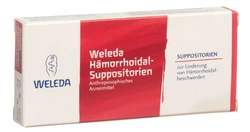
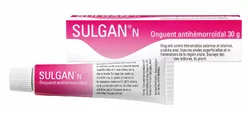
- You can use ointments containing zinc, panthenol, witch hazel and aloe vera, or topical anaesthetic ointments with lidocaine. There are also corticosteroid ointments that reduce inflammation, but these can only be used for a limited period. Some people also find suppositories and anal tampons with anti‑inflammatory agents helpful.
- For those who have pain when sitting, there are special haemorrhoid cushions that relieve the sensitive area when seated.
- If complaints persist for a long time or haemorrhoids bleed, be sure to consult a doctor.
Haemorrhoidal disease can reduce quality of life, but starting treatment early is worthwhile and these simple measures significantly relieve symptoms!