
Intimate care
How to stay fresh down there
editorial.overview
What should men and women pay attention to in intimate care?
Intimate hygiene covers the daily measures for cleanliness and health of the genital area, including cleaning after using the toilet and wearing clean underwear. Thorough intimate hygiene removes impurities and helps prevent infections. In female patients, deposits often collect between the labia, while in male patients they tend to accumulate under the foreskin.
Cleaning should be done daily in the shower with lukewarm water and clean hands. Cleansing lotions and shower gels are generally not necessary unless recommended by a doctor. A pH-neutral, soap-, alcohol- and perfume-free product can be used. It is important to always clean from the inside out.
Women should gently separate the outer labia and clean the intimate area with clear water. During menstruation, more frequent cleaning may be necessary. Only the external area of the genitalia should be cleaned, because the vaginal flora inside has a natural protective function.
Men should fully retract the foreskin and thoroughly clean the area beneath with water. The rest of the penis and the scrotum should also be cleaned. If the foreskin is too tight, a urologist should be consulted to ensure proper cleaning.
What role does pH play in the intimate area?
The pH is important not only for the skin but also for the genital area. While the skin has an acidity level of about 5.5, the intimate area is considerably more acidic, with a pH of 3.8 to 4.4. This lower acidity has a protective function, since the acidic environment inhibits bacterial growth and thus protects against infections.
Small amounts of infectious bacteria and potentially harmful fungal spores are always present in the intimate area. As long as values remain below 4.5, they are harmless. However, incorrect care or lack of knowledge can raise the pH, which favours uncontrolled growth of pathogenic microorganisms. This often leads to unpleasant infections and irritations in the genital area.
Should special products be used for intimate care?
The question often arises whether special products are necessary for intimate care. The clear answer is: No, special products are generally not necessary.
The vagina cleanses itself and for external cleaning of the vulva lukewarm water is sufficient. Many gynaecologists advise against special intimate care products, since ordinary soaps and shower gels can disturb the acidic pH of the vulva (between 4 and 4.5) and upset the delicate bacterial balance. This can result in fungal or bacterial infections. The natural balance of the mucous membranes should not be disturbed by excessive washing. The vagina does not need to be cleaned internally, as it cleans itself through natural discharge.
For men, lukewarm water is also sufficient to clean the intimate area. Ordinary cleansing lotions and shower gels are not necessary and can irritate the sensitive skin in the genital area.
What should intimate care products contain?
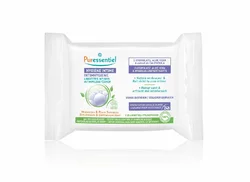
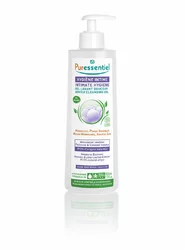
Intimate care products should be selected carefully so as not to disturb the delicate balance of the intimate area. An essential feature of such products is a low, acidic pH, ideally between 3 and 4, which helps to maintain the acidic environment of the intimate area, important to prevent the growth of harmful bacteria.
In addition, intimate care products should contain particularly mild ingredients that do not include aggressive cleansing agents to avoid irritation. It is also necessary that they are free of fragrances and perfumes, as these can irritate the sensitive intimate skin.
Some intimate care products also contain beneficial active ingredients such as lactic acid bacteria. These support the natural balance of the vaginal flora and help to prevent infections. Such products can be especially helpful after sport, during menstruation or after sexual intercourse to keep the intimate area clean and healthy.
How to care for your intimate area properly in summer?
In summer our intimate area is exposed to particular challenges. Chlorinated and salty water, heat and humidity can irritate the sensitive skin and increase the risk of infections such as vaginal yeast infections, bacterial vaginosis or urinary tract infections. With the right care, however, the health of the intimate area can be effectively protected.
After swimming in the sea, pool or lake the intimate area should be rinsed with clear water to remove residues like chlorine or salt. These substances can irritate the sensitive skin and disturb the natural balance of the vaginal flora. It is also important to dry the intimate area thoroughly after bathing, as moisture promotes the growth of bacteria and fungi. Use a soft towel and gently pat the skin dry to avoid irritation.
Even in high temperatures, less is more. A once-daily cleansing with lukewarm water is sufficient to keep the intimate area hygienic. If you wish to use care products, opt for mild intimate care products.
Choosing the right care products in summer plays a central role for the health of the intimate area. Products with natural L-lactic acid and a pH of about 3.5 help to preserve or restore the balance of the vaginal flora. At the same time, they provide protection against infections and are gentle on sensitive skin. Fragrances or aggressive ingredients should be avoided, as they can disturb the acidic environment of the intimate area.
With these simple measures you can care for your intimate area optimally in summer
How often should you clean and care for your intimate area?
Proper intimate care is straightforward, but there are some basic rules to observe. A common mistake is cleaning the intimate area either too often or too rarely. Generally: thorough cleansing once a day and changing underwear daily is sufficient.
A daily cleansing of the intimate area with clear water is usually adequate. Washing too often can dry out the skin and cause irritation, making it easier for pathogens to enter. Therefore cleansing should not be performed more than once a day, except in certain situations. After heavy sweating, for example in summer, after sport or a sauna visit, an additional cleansing can be useful. In these cases clear water is also sufficient.
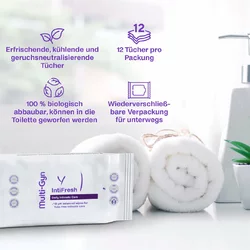
Cleansing can be done simply by hand with tap water. Alternatively a disposable washcloth can be used. If a regular cloth washcloth is preferred, it should be washed after use at at least 60 degrees to kill all bacteria.
How to care for your intimate area gently: useful tips
- Women should pay special attention to cleaning the anus correctly. To prevent transfer of intestinal germs, wiping motions from the anus towards the vagina should be avoided. Men should also avoid wiping motions from the anus towards the penis, although this causes problems less often for them.
- For male sexuality, regular washing under the glans is a must - not only before going to bed. A man's genital area (penis, testicles and anus) should be properly cleaned and cared for. Smegma should be removed gently. If there is heavy sweating after exercise, a second round is essential.
- When showering men should ensure that no soap gets into the urethra. This can be painful.
- It is also very important to dry the genital area carefully after washing with a clean, soft towel. The towel should be used only for the intimate area and changed at least once a week.
- Urinating correctly is also of great importance for intimate care. Avoid urinating without retracting the foreskin. Otherwise the number of bacteria under the foreskin increases.
- Since pubic hair is relatively difficult to free from pathogens, intimate shaving can have a positive effect on intimate hygiene. Shaving should never be done dry or against the direction of hair growth. To avoid injuries, the skin should always be held taut with two fingers during shaving. Skin care with a gentle lotion should not be forgotten afterwards.
- When using tampons, check skin compatibility to protect the vaginal flora. Wear clothing that regulates moisture and dry it thoroughly to prevent irritation and odours.
- Wet toilet paper can also cause complications because it contains many preservatives and humectants and can promote allergies and intolerance reactions. Itching and redness, oozing and tiny cracks in the skin are often the consequences. Scented toilet paper is also unnecessary.
- When washing underwear it is important to use a suitable detergent, the correct amount, temperature and sufficient rinsing. Otherwise alkaline or other residues remain in briefs after washing and even perfect intimate hygiene helps little.
- Use lactic acid-containing intimate wipes for intimate cleansing to protect the intimate flora and body moisture. Pay attention to using skin-compatible care products to avoid unpleasant odours and sensations.
Thoughtful intimate care contributes significantly to maintaining the health of sensitive skin and preventing discomfort. It is crucial to choose mild products and adapt care to individual needs in order to preserve the natural balance in the intimate area.