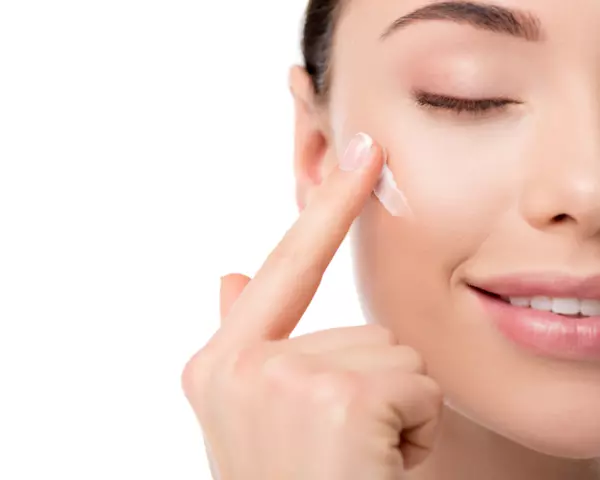

Facial cleansing
How to achieve a radiant complexion
editorial.overview
Why is regular facial cleansing important for skin health?
Our face is exposed daily to various environmental factors. Dirt, oil, makeup and pollutants can clog pores and lead to skin issues. A thorough facial cleansing removes these impurities and helps restore the skin's natural balance. Regular facial cleansing also promotes circulation and makes the skin glow. How do I find the right facial cleanser for my skin type?
Each skin type needs its own cleansing routine. There are dry, oily, normal and sensitive skin types. To find the right cleansing routine, you must first identify your skin type.
Dry skin needs a gentle cleanser, while oily skin needs one that removes excess sebum. Sensitive skin requires a mild cleansing that does not compromise the skin barrier.
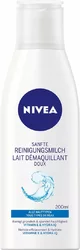
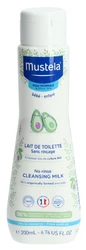
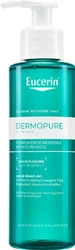
Which types of facial cleansers suit different skin types?
There are different types of facial cleansers suited to various skin types and needs. Cleansing milk is recommended for sensitive, dry or mature skin. It often contains nourishing ingredients like oils or shea butter that hydrate and soothe the skin. Cleansing milk is usually applied to damp skin and removed with a cotton pad or water.
Foaming or gel cleansers are particularly suitable for oily and blemish-prone skin. They often contain antibacterial ingredients such as salicylic acid or tea tree oil that remove excess sebum and dirt and help clarify pores. These gels are applied to damp skin and rinsed off with water.
cleansing oil is intended for all skin types, especially dry or mature skin. It often contains nourishing ingredients like vitamin E or jojoba oil that feed and hydrate the skin. Cleansing oil is applied to the dry face and rinsed off with water. It also removes waterproof makeup.
Micellar water is a gentle form of facial cleansing and is suitable for all skin types. It contains micelles, tiny particles that attract and gently remove dirt and oil without irritating or drying the skin. Micellar water is usually applied to a cotton pad and dabbed onto the skin.
Which ingredients are particularly recommended in facial cleansers?
When choosing a facial cleanser, pay attention to the ingredients.
Glycerin is a hydrating ingredient that keeps the skin soft and supple.
Allantoin soothes and helps heal the skin. It relieves skin irritation and keeps the skin smooth and soft.
Aloe vera is a hydrating and soothing ingredient that promotes skin regeneration. It also helps with redness and inflammation.
Salicylic acid has an exfoliating effect, removes dead skin cells and cleanses pores. It can be helpful for acne and blackheads.
Which ingredients should be avoided in facial cleansers?
Alcohol irritates the skin and dries it out. If used too often or in high concentrations, it can damage the skin barrier and lead to skin problems.
Fragrances give cleansers a pleasant smell but can also irritate the skin. It's best to choose fragrance-free cleansers or those scented with natural fragrances like essential oils.
Sodium Lauryl Sulfate (SLS) is a surfactant found in many cleansing products. It removes dirt and sebum from the skin but can also irritate and damage the skin barrier. It's better to choose cleansers that do not contain SLS.
Mineral oil is an oily ingredient that seals the skin and locks in moisture. However, it can also prevent the skin from "breathing" and clog pores.
Radiant complexion starts here: best tips for facial cleansing and healthy skin
- Always wash your hands before touching your face.
- Avoid very low or high temperatures during the cleansing routine, as they can irritate and dry out your skin.
- Cleanse your face using gentle, circular motions to remove dirt and impurities.
- Use a cleanser appropriate for your skin type.
- Apply the cleanser gently and leave it on for a few seconds before rinsing.
- Avoid keeping your skin in contact with water for too long, as this can dry it out.
- Avoid hot water, as it dilates pores and irritates the skin.
- Always apply a moisturizer after cleansing to replenish skin hydration.
- If you have sensitive skin, avoid products with harsh ingredients such as salicylic acid or glycolic acid.
- If needed, use an exfoliant to remove dead skin cells and smooth the skin.
- Homemade cleansers can be a great alternative to commercial products. How to use a simple honey cleanser: mix 1 teaspoon of raw honey with a little warm water and massage the mixture onto your face. Rinse thoroughly with warm water.
- You can also use coconut oil to cleanse your skin: apply a small amount of coconut oil to the face and massage gently. Rinse with warm water.
- To make a baking soda cleanser: mix one teaspoon of baking soda with a little water to form a paste. Apply the paste to the face and massage gently. Rinse with warm water.
- Consult a dermatologist if you have skin problems that cannot be resolved by a facial cleansing routine.
Regular and thorough facial cleansing is important to maintain skin health and radiance.