Itchy scalp
An unpleasant problem — what helps
What causes an itchy scalp?
The scalp, which is often neglected in our daily care routine, deserves much more attention than we usually give it. It forms the foundation for hair growth and plays a key role in the health and appearance of our hair.
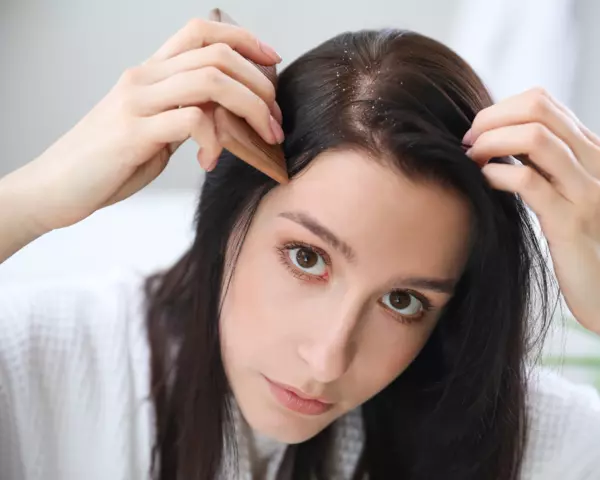
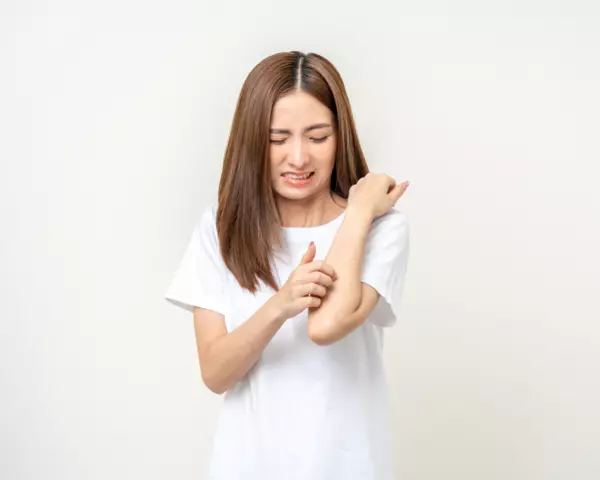
An itchy scalp is more than just a temporary discomfort. It’s the body’s call for help pointing to various underlying issues, from harmless to more serious conditions. From dry skin and allergic reactions to specific skin disorders — the causes can be diverse. One thing is certain: to effectively combat itching and promote scalp health, a deeper understanding of its needs and possible triggers is essential.
One of the most common causes of scalp itch is dry scalp. Like skin elsewhere on the body, the scalp can dry out, especially when regularly exposed to harsh shampoos or hot blow-dryer air. The result is itching, redness and sometimes even inflammation. That’s not all. The scalp also often reacts allergically to certain ingredients in hair care products, causing mild irritation up to intense itching.
Many people tend to over-treat their hair and scalp when they experience itching, which often worsens the problem. Instead of using numerous, sometimes aggressive products, a simple care routine is recommended, possibly switching to a mild, silicone-free formula suitable for sensitive skin.
Besides dryness, fungal infections such as seborrheic eczema or dermatophytosis (ringworm) can be responsible for the itch. They alter the skin flora and promote the growth of certain yeasts or filamentous fungi, which can be contagious and often require medical attention.
Parasites like head lice are also known offenders. They cause severe itching and usually need specific treatments.
Furthermore, a flaky scalp, whether dry or oily, can be a sign of the underlying issue. Dry flakes often indicate a lack of moisture, while oily flakes can point to excessive activity of certain yeasts.
An itchy scalp can also be irritated by external factors such as sunburn, tightly tied hair, unsuitable hair care products or chemical treatments. Heat, whether from water that’s too hot when washing or from blow-drying, can add to the itching.
In people with an oily scalp, excess sebum production can also trigger itching. Yeasts convert excess sebum into irritating substances. Stress, dietary habits, hormonal changes or the use of the wrong products can aggravate the problem.
Itching can also be a result of allergies, either from direct contact with allergens or as a reaction to hair care products that were not rinsed out completely. In addition, stress is cited as a trigger for itch because it increases cortisol production in the body, which can contribute to inflammation and itching.
Are there home remedies for an itchy scalp?
There are numerous home remedies you can try. Olive oil is well known for its intensive scalp care, especially when left on overnight. It nourishes the skin with important nutrients and soothes the itch.
Warm 2 to 4 tablespoons of olive oil slightly until it is warm but not hot. Part your hair into sections and gently massage the warm olive oil into the scalp with your fingertips. Pay special attention to dry or itchy areas. Cover your hair with a shower cap or an old towel to trap the heat. Ideally leave the oil on overnight or for at least 1–2 hours, then wash your hair thoroughly with a mild shampoo. Avoid hot styling tools and let your hair air dry naturally.
Another good remedy is quark (curd cheese), known for its soothing effect on inflamed scalps or in cases of atopic dermatitis. It can be applied directly to the scalp and washed off after half an hour.
Lavender not only calms the nerves but also the scalp when brewed in water and applied. Honey, in a mask with quark and milk, can calm itching and counteract flake formation. Chamomile tea as a hair rinse reduces itching and supports the healing of inflammations.
Coconut oil, prized for its moisturizing and antibacterial properties, can have a direct soothing effect. Warm a small amount of coconut oil until it becomes liquid (not hot). Massage the oil directly into the scalp, paying attention to irritated or dry spots. Leave the oil on for an intensive treatment for at least one hour or overnight. Then wash your hair with a mild shampoo.
Baking soda has antibacterial properties, disinfects and supports the healing process. Mix one part baking soda with three parts water to form a paste. Gently massage the paste into the wet scalp and leave it on for 10 to 15 minutes. Rinse thoroughly afterwards and wash your hair as usual.
Tea tree oil, known for its antibacterial effect, can be added to shampoo to fight bacteria that cause itch. Add a few drops of tea tree oil (no more than 5% of the total solution) to your regular shampoo. Wash your hair as usual and let the shampoo sit for a few minutes. Then rinse thoroughly. Tea tree oil is potent, so it should always be diluted and patch-tested on a small area of skin first to rule out allergic reactions.
Medicinal clay, ideal for excessive sebum production, opens the pores and helps prevent flake formation.
Birch water, whether bought or homemade, regenerates and nourishes the scalp.
It is important to first understand the cause of the itch and then choose a suitable home remedy accordingly. However, if the itch persists or you are uncertain, you should consult a doctor to rule out serious skin conditions. Since not every home remedy works equally well for everyone, it is advisable to try different remedies to find which one works best.
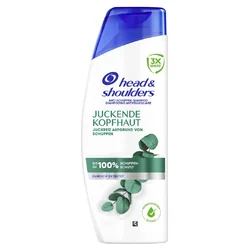
Which shampoo helps with an itchy scalp?
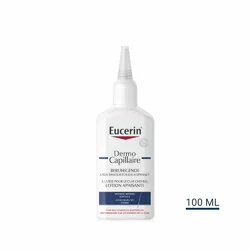
When looking for a shampoo to relieve an itchy scalp, it is important to choose products specifically formulated to ease symptoms while promoting scalp health. A good shampoo for this purpose typically contains ingredients that are gentle on the scalp, provide moisture and support the skin’s natural protective barrier without causing irritation.
Mild surfactants are crucial because they cleanse the scalp without damaging the important acid mantle. These gentle cleansing agents prevent the skin from drying out as harsher surfactants can.
Nourishing oils like argan and jojoba oil are also beneficial because they hydrate and soothe the scalp without weighing it down.
Urea is another important ingredient known for its moisturizing and anti-itch properties. Natural extracts and ingredients such as aloe vera, chamomile and tea tree oil additionally have anti-inflammatory and soothing effects. They regenerate the scalp and relieve itching.
Ceramides and hyaluronic acid are important components that strengthen the skin’s protective barrier and bind moisture in the skin, resulting in a healthier, less irritated scalp.
Choosing a shampoo that contains these ingredients can make a significant difference in treating and preventing scalp itch. It is important to select products free from harsh chemicals, fragrances and other potentially irritating ingredients.
What can you generally do about an itchy scalp?
If your scalp itches, there are a number of measures that can provide relief. Lukewarm water when washing your hair helps preserve the scalp’s natural oils and avoids drying it out. Also, avoid washing too frequently so as not to unnecessarily stress the scalp.
A healthy, balanced diet and sufficient fluid intake support skin health from within. Stress negatively affects the scalp, so stress management techniques are helpful. In dry rooms, a humidifier creates a more skin-friendly climate. It’s also worth watching for possible allergens, as an allergic reaction can sometimes be behind the itch. If itching persists without an obvious cause, it is advisable to see a dermatologist to rule out medical causes.
Fighting scalp itch: effective tips
- Use mild shampoos. Harsh chemicals in conventional shampoos can irritate your scalp. Look for products with natural ingredients that are gentle on your skin.
- Wash your hair with lukewarm water and reduce the frequency of washes to avoid disrupting the scalp’s natural sebum production.
- Adjust your diet. A balanced diet rich in vitamins A, E and biotin supports scalp health. Avoid foods that can increase sebum production, such as alcohol, wheat flour, sugar and coffee.
- Drink plenty of water. Good hydration is crucial for healthy skin, including the scalp. Make sure you drink enough water every day.
- Use moisturizers or special scalp creams to maintain scalp hydration and prevent itching.
- Avoid heat. Hair dryers, straighteners and other heat sources irritate the scalp. Let your hair air dry when possible.
- Choose loosely fitting hats to protect the scalp. Tight headwear can irritate the skin.
- Massage oils like tea tree oil into the scalp before bedtime and leave them on overnight to nourish the scalp and relieve itching.
- Avoid aggressive styling products. Chemicals in hairsprays, gels and other styling products can irritate the scalp. Use them sparingly or choose natural alternatives.
- Switch your shampoo. Sometimes changing shampoo can work wonders. Experiment with different products to find what suits your scalp best.
- Brush your hair regularly. Brushing helps distribute the scalp’s natural oils, which can prevent dryness and itching.
- If nothing helps, consult a professional. A dermatologist can identify the cause of your problem and recommend a specific treatment.
An itchy scalp can be a sign of different needs or conditions, from dryness to nutritional deficiencies, and requires appropriate care and attention. A combination of gentle care, mindful nutrition and stress management can effectively help reduce symptoms and promote scalp health.