
Dry scalp
What really helps against this itching
What are the main causes of dry scalp?
Dry scalp is mainly due to two factors: a lack of sebum and a lack of moisture in the skin.
Our skin forms a film that protects it from external influences. This protective film is produced by the sebaceous glands in the skin, which secrete sebum, a lipid that does not dissolve in water. This lipid combines with the moisture that emerges from the pores and forms a protective layer known as the hydro-lipid layer or acid mantle. This layer acts as a natural protective and caring film for our skin, preserving it from head to toe.
If the skin is not sufficiently supplied with moisture or sebum, this protective film is not formed properly. The skin tightens, itches and flakes, leading to increased sensitivity. The inadequate protective film of a dry scalp also affects the hair, which often looks brittle, dull and lifeless.
Causes of dry scalp can be both internal (endogenous) and external (exogenous) factors that impair the skin's natural protective film and lead to a deficiency in the natural moisturizing factors of the scalp, also called NMF (Natural Moisturizing Factors). These NMFs play a crucial role in binding moisture in the skin. A lack of these factors leads to insufficient hydration of the upper skin layers and thus to a dry scalp.
Which internal factors influence scalp health?
Inherited genetic factors can contribute to a dry scalp. With increasing age, the skin tends to become drier, including on the scalp. Certain skin conditions such as psoriasis and atopic dermatitis can cause a dry scalp. Diseases such as hypothyroidism, diabetes or fluid deficiency can negatively affect the scalp. Hormonal fluctuations, for example during pregnancy or menopause, can also contribute to a dry scalp.
Both emotional and physical stress promote dry scalp. A lack of certain nutrients such as vitamin C, vitamin E and unsaturated fatty acids impairs skin health. Certain medications, especially diuretics, have dry skin and dry scalp as side effects.
Which external factors lead to dry scalp?
Dry scalp can also be triggered by various external factors. These include temperature fluctuations such as water that is too hot when washing hair and blow-drying, as well as cold winter air and dry indoor heating air, which can dry out the scalp. Environmental stressors such as air pollution and other harmful environmental influences also impair the skin's natural protective barrier and cause dry scalp.
Unhealthy habits such as smoking and excessive alcohol consumption also dry out the skin. In addition, using inappropriate shampoos that are too aggressive or not matched to the individual's skin type leads to scalp dryness and discomfort.
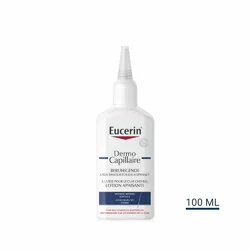
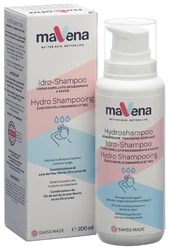
What should you look for when choosing a shampoo for dry scalp?
When choosing a mild shampoo for dry scalp, certain criteria regarding ingredients should be considered. It is advisable to favour shampoos from organic brands that use natural ingredients to be gentle on hair and scalp. Avoid shampoos for sensitive scalps that contain parabens, sulfates, synthetic fragrances and formaldehyde, as these substances are often associated with scalp irritation.
Natural fragrances should be present in low concentration, as synthetic fragrances can also cause dry and itchy scalps. To assess the amount of fragrance in a shampoo for itchy scalps, check the ingredients list and make sure the fragrance is listed at the end. The order of ingredients on the label indicates their concentration in the formulation.
How can dry scalp be prevented and cared for?
- Use shampoos with natural active ingredients and a skin-neutral pH.
- Ensure that shampoos for dry hair do not contain microplastics. Certified natural cosmetic shampoos are a safe choice as they exclude microplastics and silicones.
- Wash your hair with lukewarm water and lather only briefly. Rinse thoroughly.
- Use vinegar rinses or herbal rinses to soothe and care for the scalp.
- Use oil treatments regularly to restore moisture and lipids to your skin. Olive oil, sunflower oil, sesame oil, jojoba oil and almond oil are suitable options.
- Do not wash your hair daily to preserve the scalp's natural moisture.
- Wear head covering in cold weather to protect the scalp from drying out.
- Perform gentle scalp massages to stimulate skin circulation and sebum production.
- Maintain a healthy lifestyle, including a balanced diet and stress management.
- Make sure to drink enough fluids to hydrate the skin.
Dry scalp can be uncomfortable, cause itching and flaking, and affect quality of life. Proper care and hydration of the scalp are essential to relieve dryness and keep hair healthy. It is important to pay attention to the needs of the scalp in order to prevent possible problems and support overall healthy hair growth.