Kälteallergie
So quält der Winter manche Menschen
Kälteurtikaria – was steckt hinter einer „Kälteallergie"?
The cold allergy, medically referred to as cold urticaria, is a specific form of hives triggered by exposure to cold. Although the term “allergy” is often used, it is technically a pseudoallergy since no true allergen is involved. Unusually, the immune system does not produce antibodies as it would in a classic allergy.
Unlike typical allergies, where substances such as pollen or animal dander provoke an overreaction, cold urticaria is triggered by a physical stimulus – for example cold wind, cold water or generally low temperatures. The body reacts in a similar way by releasing the messenger substance histamine, which causes the typical skin symptoms such as redness, itching or welts. This happens directly at the body sites exposed to the cold.
What triggers cold urticaria?
Cold urticaria is caused by direct contact with cold temperatures or cold objects. The body responds to cold by releasing histamine from mast cells, leading to skin reactions like welts and itching. The temperature at which this reaction occurs differs from person to person. In addition to direct cold exposure, a rapid change between warm and cold temperatures can also provoke symptoms.
Cold urticaria has also been linked to various infections. Relevant conditions include respiratory infections, syphilis, chickenpox, HIV and infectious mononucleosis. Urinary tract infections and other viral infections can produce similar reactions. Symptoms often subside when the underlying infection is successfully treated, for example with antibiotics.
The intake of certain medications is also considered a possible trigger. Painkillers such as ibuprofen, aspirin and diclofenac, as well as ACE inhibitors, oral contraceptives and antifungals, are frequently mentioned as causes. In some cases a genetic predisposition appears to play a role, since familial clustering has been observed.
Besides cold, other factors can produce similar skin reactions. There are forms of urticaria triggered by increases in body temperature, for example from exercise, hot baths, spicy food, fever or emotional stress. This is known as cholinergic urticaria. Alcohol consumption can also exacerbate this form of urticaria.
Interestingly, cold urticaria can occur spontaneously at any age and disappear again without an obvious reason. It often occurs together with other conditions such as asthma, food allergies or other forms of urticaria, which can complicate diagnosis and treatment.
Cold allergy: what symptoms do affected people show?
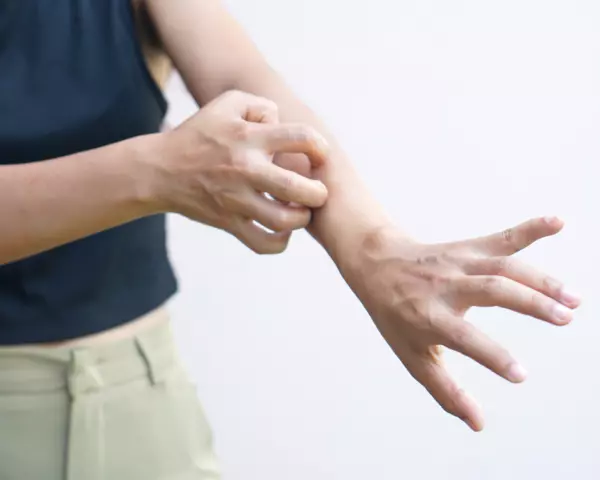
Symptoms of a cold allergy usually appear a few minutes after cold contact. Common symptoms include redness, intense itching and welts on the skin, which often feel as if stung by nettles. Unprotected areas like hands, face, neck or feet are particularly susceptible, especially in winter. Mucous membranes can also be affected, for example after consuming cold foods or drinks, which can lead to swelling in the mouth and throat and make swallowing and breathing difficult.
Some people also report that symptoms only occur when moving from a cold to a warm environment. In addition to the typical skin signs, additional general symptoms such as headache and limb pain, fatigue, palpitations or shortness of breath can occur, significantly affecting daily life.
In particularly severe cases the body can react strongly to extreme cold stimuli. For example, a jump into ice-cold water may cause a sudden drop in blood pressure, circulatory collapse and loss of consciousness, which in the worst case can lead to drowning. Extreme caution is therefore required in such situations. An anaphylactic shock, which can also occur, is life‑threatening and requires immediate medical attention.
Diagnosis: how is cold urticaria detected?
The diagnosis of cold urticaria is made using various tests designed to determine the patient's individual cold threshold. This threshold is important because it indicates the temperature at which skin reactions like welts occur.
A widely used method is the ice cube test. A glass containing ice cubes is placed on the patient's skin, usually on the forearm. The cold stimulus is maintained for a period of time and if characteristic welts form within a short time, cold urticaria is present.
An electronic testing device can also be used to determine the exact temperature at which symptoms occur. This method allows precise measurement and helps affected individuals recognise the temperatures at which they need to be cautious. These diagnostic procedures are usually performed by a dermatologist or allergist.
How is cold urticaria treated?
Treatment of cold urticaria is tailored to the specific causes and symptoms of the patient. Initially it is important to minimise contact with cold to avoid triggers. If an infection underlies the complaints, antibiotics can be administered, which often lead to symptom relief.
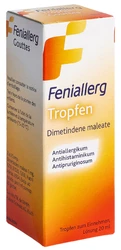
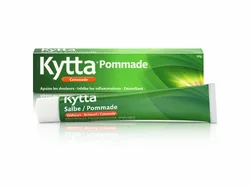
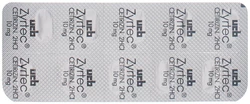
Various medications are used for symptomatic treatment. Antihistamines and leukotriene antagonists are often first-line to relieve itching and skin reactions. In severe cases with very intense itching, corticosteroid creams or injections may also be given.
Another therapeutic approach is the use of UV light, which can improve symptoms in some patients. Capsaicin, an ingredient of chilli peppers, is also used experimentally to treat symptoms. An innovative approach is the “hardening therapy”, in which patients are gradually exposed to colder temperatures to acclimatise the body to the cold. This can help reduce cold sensitivity over time.
In acute cases with severe reactions, emergency treatment with adrenaline may be necessary. Affected individuals should keep an autoinjector (EpiPen) close at hand to respond quickly.
Preventing cold allergy and relieving symptoms: practical tips
- Avoid cold outdoor temperatures and contact with cold water to prevent cold urticaria symptoms.
- On cold days wear dense, warm clothing, including hats, gloves and lined shoes, to keep your skin warm.
- Protect exposed skin areas such as the face with lipid‑rich creams to strengthen the skin barrier against the cold.
- Avoid cold foods and drinks to minimise the risk of a reaction.
- Keep indoor temperatures comfortable, ideally between 20 and 22 degrees Celsius. Avoid sudden temperature changes due to heating or air conditioning, as these can worsen symptoms. Be aware of threshold temperatures at which itchy skin or mucosal changes occur. See a doctor immediately at the first signs.
- Warm baths relieve cold urticaria symptoms, but avoid water that is too hot so the skin does not dry out.
- Avoid cold showers and sauna visits to prevent irritating sensitive skin. Prefer warm, relaxing baths instead.
- Avoid cold outdoor temperatures and contact with cold water to prevent cold urticaria symptoms.
- Carry an emergency kit with a corticosteroid preparation and an antihistamine so you can act quickly in case of an allergic reaction.
- Develop a skincare routine with mild cleansers and moisturising lotions or creams. This helps keep the skin hydrated, prevents dryness and strengthens the skin barrier.
A cold allergy can be a burden for those affected, but it can also be an opportunity to engage more actively with one’s health. Finding individual solutions and exchanging experiences with others can be valuable resources.