
Lavender
The purple wonder against stress, anxiety and sleep problems
Which active ingredients make lavender so valuable?
The healing properties of lavender are found in its blue-violet, delicately scented flowers, which, in addition to the valuable lavender oil, also contain flavonoids, tannins and coumarins.
Lavender flowers are harvested just before opening, dried and processed into flower powder to fully release their effects as capsules or tablets. The aromatic lavender oil is also obtained from lavender flowers by steam distillation. The compounds it contains, notably linalyl acetate and linalool , have a calming and anti-inflammatory effect – ideal for stress, restlessness or skin irritation. They promote relaxation and sleep, which makes lavender oil popular in aromatherapy.
Geraniol and cineole support lavender’s antibacterial and antiviral action and can be helpful for cold symptoms.
Tannins have an astringent effect, i.e. contracting, which is useful for minor skin injuries or insect bites.
Flavonoids protect cells from oxidative stress and have anti-inflammatory properties.
Lavender flowers are credited with balancing, sleep-promoting, anxiolytic, antibacterial and neuroprotective effects. This medicinal plant can help with inner restlessness, sleep disorders, nervousness, tension, irritability, low moods and nervous digestive complaints. Due to its mood-lifting effect, lavender can be used as an adjunct in cases of depression.
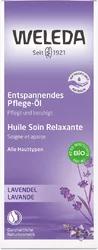
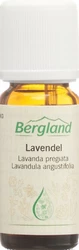
How does lavender calm the nervous system?
Studies show that lavender oil improves the nervous system’s filtering function for external stimuli, so that overloaded nerves can work normally again.
Lavender’s active compounds influence our nerve receptors and ensure that fewer stress hormones and more of the happiness hormone serotonin are released. This helps to cope better with stress and to balance inner restlessness, when too much information and stimuli bombard us. Fears dissipate, the body calms down, which also makes it easier to fall asleep, has a positive effect on sleep rhythm and improves sleep.
How does lavender support skin health?
Lavender has a range of positive effects on skin health, mainly due to its anti-inflammatory, antioxidant and antiseptic properties.
Lavender oil helps soothe skin irritations, redness and inflammation, making it an excellent remedy for acne, eczema or minor burns. It can support the healing process and reduce skin stress. Lavender can promote wound healing and minimise the formation of scar tissue, which is especially beneficial for small cuts, insect bites or abrasions.
Lavender can be incorporated into skincare in various ways – from direct application of the essential oil (diluted in a carrier oil such as jojoba or coconut) to skincare products that include lavender as an ingredient.
Why does lavender improve sleep rhythm?
Linalool and linalyl acetate lower cortisol levels, the stress hormone, which helps to switch off more easily. They promote the production of GABA (gamma-aminobutyric acid), a calming neurotransmitter in the brain that reduces anxiety and facilitates falling asleep.
In addition, lavender essential oils slow down the heart rate and breathing rate, putting the body into a relaxed state – ideal for falling asleep. Studies show that lavender scent can improve sleep quality, reduce night-time awakenings and increase the feeling of being rested in the morning.
Using lavender correctly: soothing tips for body and mind
- To promote healthy sleep, drink a cup of fresh lavender flower tea before going to bed. Pour one to two teaspoons of lavender flowers with 150 millilitres of hot water and strain the tea after 15 minutes.
- To find calm and relax after a stressful day, you can use lavender sachets or evaporate a few drops of lavender essential oil in a fragrance lamp.
- For anxiety and sleep disturbances, a soothing bath or a gentle massage with lavender oil in the evening can help.
- For overwhelm, post-traumatic disorders and sleep problems, take lavender oil in capsules. The capsules do not cause daytime drowsiness and are not addictive. Follow the recommended dosage of the lavender capsules on the package leaflet.
- A ten percent lavender oil is suitable for a chest compress. Rub the oil directly into the skin or drizzle about 10 drops of oil onto a cotton cloth the size of a postcard, wrap it in greaseproof paper and warm it between two hot-water bottles. Place the compress with the oil side on the chest, secure it with another cloth and leave it on until the warmth subsides. Such a chest compress can also be used for small children.
- You can make a scented cushion with lavender flowers yourself and place it in the bed. The pleasantly scented cushion has a relaxing and sleep-promoting effect throughout the night and also keeps mosquitoes away.
- Place a lavender sachet in the wardrobe to keep moths at bay.
- To keep the skin soft and supple and to relieve tension, massage lavender-containing care oil into the skin. An additional light hand massage promotes relaxation in the evening.
- If you are taking other sedatives, consult your doctor before taking lavender capsules, as their sedative effect can be quite strong.
- Note that high-dose lavender preparations can cause bloating and abdominal pain and, with long-term use, may have oestrogenic effects.
Lavender has a positive effect on body and mind. See for yourself!