
Lemon balm
The special medicinal herb against stress and pain
editorial.overview
What are the main active constituents of lemon balm?
The name Melissa (or lemon balm) comes from Greek and means “honey bee”: the flowers of this plant contain nectar favoured by bees, and lemon balm was therefore cultivated as bee pasture even in early times.
Its finely hairy leaves, harvested before flowering, provide the health benefits. Lemon balm leaves contain hydroxycinnamic acid and rosmarinic acid, which have antibacterial and antiviral effects, as well as flavonoids, chlorogenic acid and caffeic acid, responsible for their stress-relieving, antispasmodic and antibacterial properties.
The refreshing, lemony scent of lemon balm comes from essential oils citral, geranial and citronellal. 100 g of lemon balm leaves provide about twice an adult’s daily requirement of vitamin C, making lemon balm a true vitamin C bomb. In addition, the herb is rich in bitter substances, resin, glycosides, saponins, thymol and nerol.
How does lemon balm support the nervous system and mental health?
Key constituents of lemon balm include the essential oils Citral A (Geranial), Citral B (Neral) and Citronellal. They produce a calming effect on the autonomic nervous system and offer an antibacterial, antifungal and antispasmodic spectrum of action.
In aromatherapy, true lemon balm essential oil is also valued for its

What role does lemon balm play for stress, sleep disorders and migraine?
Lemon balm is particularly soothing for the psyche in cases of stress, nervousness and sleep disorders, and can help relieve headaches and migraine symptoms.
This is due to certain lemon balm compounds that affect the GABA neurotransmitter. This neurotransmitter is released in larger amounts in the brain under chronic stress and has a calming effect. Rosmarinic acid inhibits its breakdown, which reduces the activity of nerve cells. GABA causes a dampening of anxiety and stress signals in the brain and has sleep-promoting and anxiolytic effects.
How does lemon balm help with gastrointestinal complaints and irritable bowel?
Lemon balm can calm not only the mind but also the stomach and intestines in the so‑called irritable bowel by relaxing intestinal muscles and counteracting bloating and fullness.
The active substances in lemon balm soothe the gastro‑intestinal nerves, relax intestinal muscles, reduce pain sensitivity and the pressure on the stomach wall when feeling full. They also regulate antibacterial activity in the gut in cases of bloating and support the immune system in fighting unwanted intestinal microbes.
Melissa also helps with nausea and the urge to vomit by countering a nervous sensory overload. Pregnant women can also benefit. The antispasmodic action of this medicinal plant is helpful for menstrual disorders as well.
What other health benefits does lemon balm offer?
Rosmarinic acid has a strong antioxidant, antibacterial and antiviral action and belongs to the Lamiaceae tannins, promising rapid help against Herpes simplex and influenza viruses, and representing an effective alternative to synthetic antivirals.
Furthermore, this acid can be used for heart conditions: it dilates blood vessels and can help in various cardiovascular diseases. Some studies show that rosmarinic acid, by binding to the protein part of thyroid‑stimulating hormone, has a hormone‑blocking effect on the thyroid, which can be beneficial in cases of hyperfunction of this gland.
Lemon balm for body and mind – simple tips for more well‑being
- You can buy ready-made lemon balm preparations in the form of drops, tablets, dry extracts or tinctures. The alcoholic tincture “Klosterfrau-Melissengeist” is particularly well known.
- Lemon balm is versatile in the kitchen. It enhances sweet desserts and drinks as well as salads, potatoes, sauces, fish, poultry, chutneys, marinades and pesto.
- For sleep disorders, nervous stomach, palpitations, stress and lower‑abdominal pain, a lemon balm tea can help. Pour about 1 teaspoon of dried lemon balm leaves over 200 ml of water that is no longer boiling and let the tea steep, covered, for 10 minutes. Drink the tea three times a day. The tea is especially effective in combination with valerian root for falling asleep and with fennel for gastrointestinal complaints.
- At the first signs of cold sores, a virustatic lemon balm cream or ointment helps. Dab it several times a day onto the affected area with a cotton swab. For genital herpes, lemon balm oil and extract are suitable. They soothe inflammatory processes and inhibit virus replication.
- Lemon balm tincture clears skin impurities and helps against eczema. You can make such a tincture for external use yourself. Cut fresh leaves and crush them with about 30–40% alcohol so that the essential oils are fixed during crushing. Put everything in a screw‑top jar and cover the herb with an alcohol–water mixture. Let the tincture steep for 1 to 3 weeks.
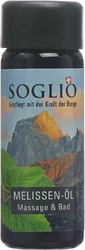
- A lemon balm bath helps with sleep disorders, restlessness, nervous stress complaints and skin impurities. Mix 10–15 drops of true lemon balm essential oil with 2–3 tablespoons of Dead Sea salt in a clean jar, shake the mixture and add it to the bathtub filled with 37 °C water. Or pour 50 g of lemon balm leaves with 1 litre of hot water, let the infusion steep for 10–15 minutes and pour the decoction into the bath water. The relaxation cure can last up to 14 days as needed. Use such a bath in the evening for 10–20 minutes.
- For skin impurities and oily facial skin, a facial steam with lemon balm has a positive effect on the complexion. Prepare a lemon balm infusion with chamomile and hold your face over it for 5–10 minutes.
- For a lemon balm pesto, chop 2 handfuls each of lemon balm and basil leaves, 50 g of hazelnuts and 2 garlic cloves with 100 ml of extra virgin olive oil, season with a little salt, pepper and freshly squeezed lemon juice. Store the finished pesto in a screw‑top jar in the refrigerator.
- Lemon balm can be frozen leaf by leaf. Spread the fresh leaves on a tray so they do not touch and freeze the leaves in the fast‑freeze compartment. Once hard frozen, you can pack the leaves in a freezer container and take out individual leaves as needed.
- You can make lemon balm ice cubes. Fill the compartments of an ice cube tray two‑thirds with the fresh, chopped leaves and top each compartment with water. Lemon balm ice cubes keep in the freezer for up to a year. Note that for hot dishes, ice cubes should be added at the end of preparation, otherwise the lemon balm will lose its flavour.
- Fresh lemon balm leaves are suitable for treating insect bites. Simply place crushed leaves on the bite until the swelling subsides. The scent of lemon balm also repels mosquitoes.
- If you use real lemon balm oil, always test its tolerance in the crook of the arm. Note that the oil should be diluted with another oil for topical use, for example almond or olive oil.
- If you have an underactive thyroid, consult your doctor before use. Contraindications for lemon balm include allergy and intolerance. For pregnant and breastfeeding women and children under 12, long‑term use of lemon balm extract is not recommended due to insufficient studies.
With these tips, your body and mind can benefit from the full spectrum of lemon balm’s health‑promoting effects!