
Maca
Energy from the Andes
What is Maca?
Maca is a root plant native to the highlands of the Peruvian Andes, where it has been valued as a nutritious food for thousands of years. It belongs to the mustard family and is therefore related to vegetables such as broccoli and radish. In its native region, maca has traditionally been used as a restorative for body and mind and is prepared in many ways – baked, cooked or turned into a sweet porridge.
A characteristic of the maca plant is its ability to thrive under extreme environmental conditions: at altitudes above 4'000 metres it endures intense sunlight, freezing temperatures and strong winds. This adaptability makes it a particularly hardy plant with remarkable nutritional value. The underground tubers, which range in colour from yellow through pink to dark red depending on the variety, are usually processed into the well-known maca powder.
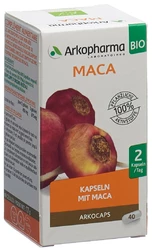
In terms of flavour, maca resembles a mix of earthiness, sweetness and mild malt, making it an interesting ingredient for smoothies or muesli. If the taste is not to your liking, you can opt for neutral formats such as capsules. Although maca is now known worldwide as an exotic superfood, it remains a staple of the local food culture in its region of origin.
What varieties of Maca are there?
Maca is available in several variants that differ in colour and associated properties. These colour variations affect the nutrient profile and the specific effects on the body.
The most common variant is yellow maca, which has a mild flavour and is popular for daily use. It is often used to support hormonal balance and to enhance general wellbeing. With a high content of vitamin C and B3, it also supports the immune system and fat metabolism.
Red maca is a variety particularly suitable for women. It is characterised by a higher protein and potassium content and is often used for hormonal imbalances. Red maca can help with menstrual discomfort and during menopause and contributes to strengthening the bones.
The rarer and more expensive black maca is known for its high mineral content, such as calcium and iron. This variety is particularly appreciated by men because it can increase libido and improve physical and mental performance. Black maca is also frequently associated with increased testosterone levels and improved endurance.
There is also purple maca, which due to its high potassium content may help regulate blood pressure. This variety is particularly useful for women in pre- and perimenopause, as it can help balance hormonal fluctuations. It also supports bone density and helps reduce water retention.
Mixed maca, a combination of all maca varieties, offers a broad spectrum of health benefits. This variant is often used as an all-rounder because it may boost libido, strengthen the immune system and help balance hormones.
What nutrients does Maca contain?
Maca is notable for an impressive nutrient composition that makes it a valuable dietary supplement. The proteins in maca are made up of various essential amino acids such as lysine, leucine, isoleucine and many others that the body cannot produce on its own. These amino acids are important for many biological processes and support muscle growth and recovery.
The fat content of maca is also notable: more than half of these fats are unsaturated omega-3 fatty acids, which are essential for the body and play a role in supporting heart health.
Maca is also rich in minerals and trace elements. Particularly notable are iron, zinc, calcium and potassium, which are all important for various bodily functions. Iron is, for example, especially valuable for vegans, as maca is a plant-based source of iron. 100 grams of maca provide about 15 mg of iron, which corresponds to the daily requirement of an adult woman. Copper and magnesium also contribute to bone and connective tissue health.
In addition to minerals, maca also contains a range of vitamins, including vitamin C, vitamin E and B vitamins. These support the immune system, skin health and various metabolic processes.
Why is Maca a superfood?
Maca is a superfood that has gained wide recognition for its diverse health benefits. Its root is full of important nutrients that can support the body in many ways. It is particularly noteworthy that maca can increase energy and endurance without raising blood pressure, making it a popular choice for athletes and active people. Through its influence on the hormonal system, maca can also play an important role in regulating the menstrual cycle and menopausal symptoms.
Another remarkable property of maca is its ability to influence libido. Numerous studies have shown that maca can increase sexual desire in both men and women. In addition, maca contributes to improved mental health by smoothing mood swings and helping to reduce anxiety and depressive symptoms.
Maca also offers many benefits for physical health. It supports bone strength thanks to its high zinc and calcium content and helps reduce inflammation because it contains glucosinolates with antibacterial properties. Furthermore, maca is an excellent source of plant proteins and omega-3 fatty acids, which support muscle building and muscle recovery. It is also commonly used in weight-loss programmes because its proteins stimulate metabolism and prolong satiety.
Maca is not only a valuable supplement for physical fitness but also contributes to heart health. The high potassium content helps regulate blood pressure, making it an excellent choice for people with high cholesterol levels. Due to its antioxidant properties, maca protects the body from cellular damage and promotes healthy skin.
Can Maca cause side effects?
Maca is generally considered safe and well tolerated, however, in rare cases side effects such as stomach discomfort, headaches, diarrhoea or sleep disturbances may occur. There is some indication that maca may affect blood pressure and liver values, but more studies are needed to confirm this. Pregnant and breastfeeding women should consult a physician before use.
How to benefit from Maca: practical tips
- Mix maca powder into your breakfast drink to make it more nutritious and energising. Vegans and vegetarians can use maca powder as a good protein source in smoothies or porridge to stay fuller for longer.
- Maca powder is great for baking because it gives the dough a healthy boost. Experiment with muffins or bread.
- If you roast maca powder, it works well as a caffeine-free coffee substitute. Combine maca with cinnamon, turmeric and honey for a tasty, nutrient-rich drink.
- If you store fresh maca roots, separate the leaves, wash them well and keep them in a slightly damp plastic bag to preserve freshness.
- Prepare fresh maca like beets. Wash the roots thoroughly, remove the tops and leaves and peel if necessary. Then slice or dice them.
- Young, fresh maca leaves are perfect for green salads and herb quark. Tougher leaves can be cooked like spinach.
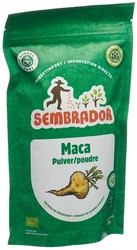
- Store maca powder or maca capsules in a cool, dry place to maintain shelf life and nutrients. Opened powder should be kept in an airtight container to protect it from moisture and oxidation.
- Observe the expiry date. Maca has a shelf life of at least 2 years from the production date. After that, the powder loses flavour and potency.
- Maca should not be confused with matcha. Maca is obtained from a different plant than matcha tea and has no similarities in taste or preparation.
- Choose organic maca extract from Peru: the tuber grown at high altitude under extreme conditions by the Andean peoples provides valuable phytochemicals and minerals and comes from a flowering plant.
- Follow the manufacturer’s dosing recommendation, as maca products can vary in strength depending on the formulation. Typical dosing is between 5 and 20 grams of raw powder. It is best to ask your doctor, as dosage may vary according to health status.
Maca is regarded as a proven natural product with positive effects on vitality and wellbeing. Its use is simple and easily integrated into everyday life.