Turmeric
The spice of life
Turmeric - what is it?
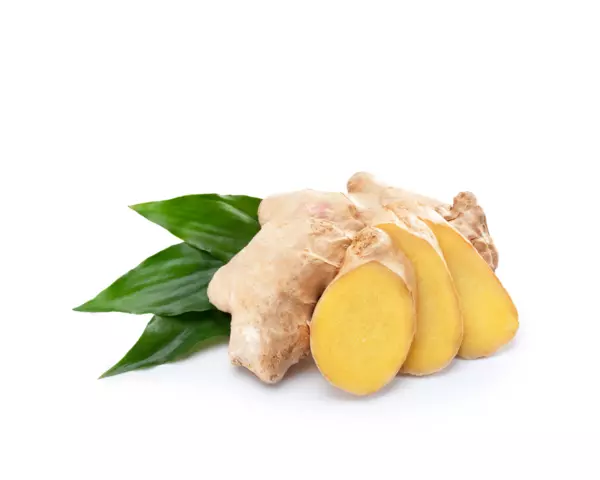
Turmeric, also known as yellow root or Curcuma (Curcuma longa), belongs to the ginger family and originates from India and Southeast Asia. The plant thrives in tropical regions with high temperatures and sufficient humidity. Its underground stem, the rhizome, is used as a spice and gives dishes a characteristic golden-yellow colour.
The rhizome contains, in addition to the well-known pigment curcumin, essential oils such as turmerone, atlantone and zingiberene, which are responsible for the aroma and other properties of the plant. Turmeric also provides fibre, vitamins such as C and E, and minerals like potassium, iron and magnesium.
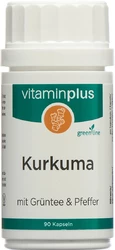
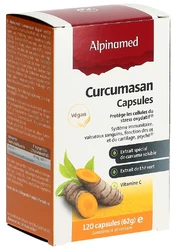
Turmeric is available in different forms: ground powder is commonly used in cooking, while the fresh root has a more intense flavour. In the food industry, turmeric is also used as a natural colouring with the designation E100. There are also turmeric capsules that contain concentrated curcumin and are often combined with piperine to improve absorption by the body.
Besides its culinary use, turmeric is traditionally valued in herbal medicine. It can be used as a spice in soups, rice dishes and curries, but also as a tea or in "golden milk". When handling fresh turmeric, note that it can stain easily and may turn hands and kitchen utensils yellowish.
What effects does turmeric have?
Turmeric has numerous health-promoting properties, mainly due to its bioactive ingredients. One of the best-known effects is the promotion of bile flow, which supports digestion and can relieve symptoms such as fullness, bloating and nausea. Turmeric also protects the liver by stimulating bile production and mitigating potentially harmful influences.
Another important effect of turmeric is its anti-inflammatory and antioxidant action. Curcumin helps neutralise harmful free radicals that can damage cells and contribute to the development of disease. This antioxidant ability contributes not only to protection against age-related complaints but could also positively influence inflammatory conditions such as arthritis. In the treatment of rheumatoid arthritis, curcumin has been shown to be effective as a supplement to conventional medication, with fewer side effects.
Turmeric also has a protective effect on the cardiovascular system. It can help regulate cholesterol levels and protect blood vessels by preventing the deposition of fats. In this way it reduces the risk of cardiovascular disease and improves the health of the entire circulatory system.
Turmeric also has positive effects on the brain. It promotes the production of the protein BDNF, which is responsible for the growth and renewal of nerve cells. This can strengthen cognitive function and delay the progression of degenerative diseases such as Alzheimer’s. Combined with its anti-inflammatory property, turmeric thus contributes to mental health and may also be helpful in the treatment of depression.
For people who undertake regular physical activity, turmeric also offers benefits for recovery. Its anti-inflammatory property helps with muscle soreness and improves joint mobility. This is particularly interesting for athletes who want to prevent muscle fatigue and pain during regular training.
Last but not least, turmeric shows promising effects in supporting weight loss. Combining it with black pepper (piperine) improves the absorption of curcumin in the body and could help optimise metabolism and increase fat burning.
Does turmeric help with cancer?
The effect of turmeric on cancer is not yet sufficiently proven scientifically and there are no conclusive studies showing an improvement in prognosis or a reduction in recurrence risk due to curcumin. Therefore, turmeric is not currently recommended as part of cancer therapy. However, there are indications that turmeric might inhibit tumour growth and potentially reduce the risk of metastases, particularly in breast cancer. This might occur by influencing certain transcription factors that regulate tumour growth.
Furthermore, studies indicate that turmeric can stabilise the cell membranes of healthy cells and increase their resistance to pathogens. Cancer cells, on the other hand, appear to develop weaker membranes under the influence of curcumin, which could impair their growth.
Research has shown that turmeric, in combination with cruciferous vegetables such as broccoli, may inhibit the growth of prostate cancer. These findings suggest that a regular combination of turmeric with certain vegetables could have anti-cancer activity.
Does turmeric have side effects?
Like many other natural substances, turmeric can cause side effects if used excessively or improperly. At high doses, gastrointestinal complaints such as discomfort, diarrhoea and bloating are common reactions. These occur mainly due to the stomach-irritating properties of turmeric. Sensitive individuals may also experience digestive problems like heartburn or vomiting.
Another risk is the effect on blood clotting. Turmeric can slow blood clotting and thereby increase the risk of bleeding, especially when taken together with anticoagulants such as aspirin or warfarin. People with clotting disorders or an increased tendency to bleed should use turmeric only under medical supervision.
People with gallstones or other gallbladder complaints should also consume turmeric with caution. Because it stimulates bile production, it can cause painful biliary colic in these individuals. Also, pregnant women should avoid high doses, as turmeric can stimulate uterine contractions and lead to complications such as preterm labour or miscarriage.
Moreover, turmeric supplements can, in rare cases, cause skin reactions such as rashes or itching. Dry mouth is also a possible side effect, caused by turmeric's effect on saliva production.
How much turmeric per day is healthy?
The recommended daily dose of turmeric varies depending on source and form. Scientific studies often use doses of 500 to 2000 mg of turmeric per day, mainly in the form of highly concentrated extracts that contain much more curcumin than the spice itself. A typical Indian diet, for example, provides about 2000–2500 mg of turmeric per day, with a curcumin content of around 60–100 mg.
The World Health Organization (WHO) has classified an amount of up to 3 g of dried turmeric powder per day per adult as safe when consumed as a spice. This amount corresponds to what commonly occurs in the daily diet and does not cause harmful effects as long as there are no health problems. The European Food Safety Authority (EFSA) recommends consuming no more than 2 mg of curcumin per kilogram of body weight per day through food.
When taking turmeric as a dietary supplement, attention should be paid to the dosage, especially with highly concentrated curcumin preparations in capsule or tablet form. These can contain curcumin at concentrations of up to 95 %, which makes dosing more precise and controllable. Because curcumin is poorly absorbed by the body, many preparations include additional substances such as piperine (from black pepper) to improve bioavailability and uptake.
How to use turmeric: useful tips
- Use turmeric in curries. Turmeric gives curries a bright yellow appearance and a spicy‑bitter note. Together with other spices such as ginger and cumin, it creates an aromatic dish.
- Prepare "golden milk". Mix turmeric, cinnamon, ginger and nutmeg with warm milk or plant-based milk. This blend supports the immune system and is especially soothing in the cold season.
- Add turmeric to pumpkin, carrot or lentil soups to intensify flavour and colour.
- Put a teaspoon of turmeric in hot water. The tea acts anti‑inflammatorily and promotes general well‑being.
- Use turmeric in salad dressings or with avocado. Combined with ginger and a light dressing of balsamic and olive oil, your salad becomes an aromatic and healthy meal.
- Add a pinch of turmeric to your coffee, spiced tea or smoothie.
- Turmeric pairs particularly well with spices like black pepper, ginger, cumin, coriander, nutmeg, cardamom, paprika and anise.
- Cook risotto, couscous and all kinds of vegetables with turmeric to give dishes a golden-yellow touch and more flavour.
- In marinades for poultry or tofu, turmeric provides an aromatic base and a warm yellow hue.
- Alongside cinnamon and nutmeg, turmeric also gives baked goods such as cookies or muffins a golden colour and a unique aroma.
- Turmeric is poorly soluble in water, so the colour is intensified by fat. Be careful: too much heat and fat can not only brown the spice but also make it bitter. Therefore, turmeric in its pure form should always be used sparingly, otherwise it can quickly make a dish taste bitter.
- Adding baking soda intensifies the turmeric colour and gives dishes a bright yellow or orange tone. Citric acid helps to preserve this colour longer.
- Use turmeric (Curcuma longa) in a curry mix or other spice blends to benefit from the anti‑inflammatory compound curcumin, which can help in osteoarthritis. Fresh leaves can also be used in teas, although they do not contain the same concentration of curcumin as the root. In some traditional uses, the flowers are also used but play a minor role.
- Store fresh turmeric rhizomes airtight and well sealed in the refrigerator — they will keep for several weeks. Turmeric powder should be stored dark, dry, cool and in an airtight container.
The healing properties of turmeric, particularly its anti‑inflammatory effect, make it a versatile natural remedy. Regular consumption can support long‑term health.