Matcha
The Japanese power tea against ageing
editorial.overview
What makes matcha healthier than other green teas?
Matcha is so healthy it almost ought to be prescription-only: it boosts the immune system, has anti-inflammatory effects, uplifts mood, is rich in antioxidants and provides a gentle awakening effect.
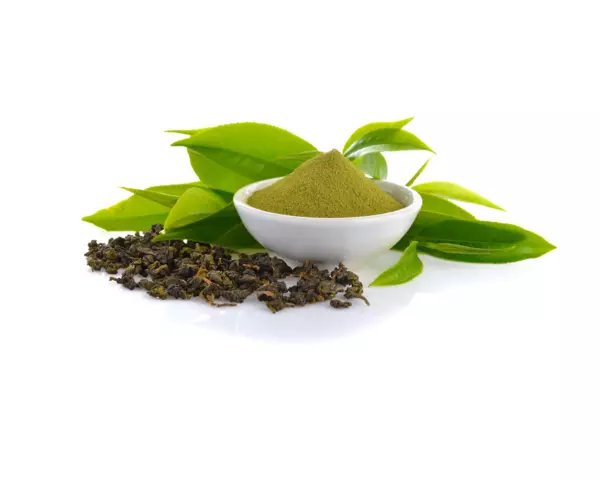
Matcha means in Japanese “ground tea” and is indeed a form of green tea. The healthy powder is made from the young leaf tips of Tencha tea and its taste is described as slightly bitter, creamy and astringent – in Japan it is referred to as the fifth taste, “umami”.
What makes matcha a special tea is its unique processing: tender leaves without stems or veins are dried and ground into a fine powder using granite mills. For preparation not only the high-quality tea matters, but also a bamboo whisk “chasen”, which creates a perfect suspension of tea powder, water and air. The powder is poured over water and whisked with the chasen until frothy, so you drink not only the infusion but also the pulverised leaf material.
When you drink a regular tea infusion you ingest about ten to twenty percent of the tea's constituents. With matcha, however, because you consume the whole leaf suspended in the liquid, you benefit from the full spectrum of its valuable components.
How does the amino acid L-theanine in matcha affect the brain and mood?
Matcha contains more of the amino acid L-theanine than other green teas. This amino acid develops from extended shading of the tea and supports improved brain activity, a better memory, increased concentration, and can even reduce Alzheimer-related symptoms.
L-theanine promotes the release of the feel-good hormone serotonin, which neutralises stress hormones — and it also enhances alpha waves in the brain. These waves are responsible for a relaxed baseline mood and help reduce signs of stress.
Why does matcha wake you up without causing jitteriness?
L-theanine also affects how the caffeine in matcha works, so it acts differently. A serving of matcha contains as much caffeine as an espresso, but leads to a gentler adrenaline release: alertness increases without the sluggish feeling afterwards. Calm energy lasts longer than that from coffee and there is no sudden stimulatory spike.
The reason for this gentle awakening is that caffeine in matcha is bound to polyphenols and is only released in the intestine. Such a slow breakdown of caffeine prevents spikes in adrenaline and insulin. In coffee, caffeine is bound to a chlorogenic acid–potassium complex, is released in the stomach, acts faster but causes the so-called afternoon slump.
Can matcha help prevent heart disease and diabetes?
Regular matcha consumption can also lower cholesterol and blood sugar levels, contributing to the prevention of heart disease. Studies show the risk of heart disease is about 31% lower in green tea drinkers compared to people who do not drink green tea.
The light-green powder contains a notable amount of antioxidants that can protect our bodies from free radicals. Among them is one of the best-known catechins – epigallocatechin gallate (EGCG). Known for its particularly strong anti-inflammatory action, it can protect and repair cells and support healthy arteries. Numerous phytonutrients in matcha help to normalise elevated blood sugar and counteract the onset of diabetes in people with insulin resistance.
Does matcha support fat burning and skin health?
Matcha can also increase fat burning by up to 17% by stimulating the metabolism, making it, alongside a healthy diet, a useful aid for people wanting to lose weight.
As a good source of antioxidants, matcha also helps prevent skin ageing, making it a perfect beauty drink.
Fit and focused with matcha — how to do it right
- Pour one teaspoon of matcha powder with 50 ml of hot water and whisk the mixture with the bamboo whisk for 20 to 30 seconds until frothy. Make sure to use zigzag motions rather than circular ones. If desired, dilute the drink afterwards with more hot water.
- The water temperature should not exceed 80 degrees, otherwise delicate plant compounds are lost. Ideal is 60–80 degrees: the higher the quality of the matcha, the lower the water temperature should be. Use preferably fresh, soft water, ideally filtered or still mineral water, otherwise poor water quality can affect the taste.
- For an intense, thick koicha use 50 ml of water; for a mild usucha add 200 ml of water to the matcha powder.
- If you do not have a bamboo matcha whisk, you can mix the powder with water and use a milk frother or a blender to whisk it up.
- You can use matcha powder to enrich cookies, cheesecake, puddings, smoothies, mueslis, confectionery, creams, ice cream and rice bowls.
- It is best to drink matcha in the morning for a fresh start to the day. Everyone reacts differently to caffeine, so matcha in the evening is generally not a good idea. Do not drink more than 2 cups of matcha a day.
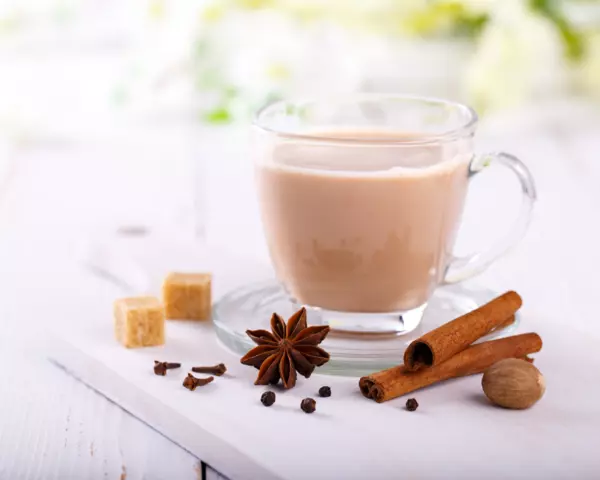
- Many swear by matcha latte. Prepare the matcha, heat 250 ml of milk, froth it, pour matcha over the milk and sweeten with a little honey. For a vegan alternative use plant-based milk and agave syrup. Oat milk, with its natural sweetness, pairs particularly well with the slightly bitter matcha flavour.
- You can make a delicious matcha ice cream. Soak 100 g of cashew nuts overnight in cold water. Boil 125 g of coconut blossom sugar with 175 ml water and add a handful of fresh mint. Puree the cooled syrup with the drained cashews in a blender. Add 400 ml coconut milk, 2 tablespoons of matcha and a pinch of salt and blend again. Freeze the mixture and the vibrant green ice cream is ready.
- If you do not like the taste of matcha, you can take it as a dietary supplement in capsules to benefit from its health properties.
- Store matcha in the fridge in an airtight container after opening and consume it within a few weeks.
- Rinse the matcha whisk with water after use and let it dry thoroughly. Do not use detergent.
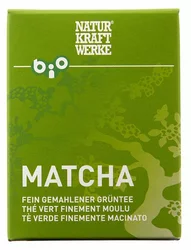
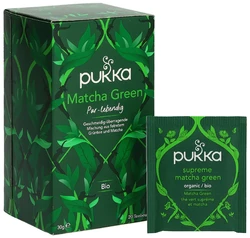
- Pay attention to product quality when purchasing. Matcha powder should be a vivid green. Inferior imitations with leaf ribs or stems tend to be yellowish or brownish. Buy organic matcha, otherwise the tea may be contaminated with pesticides or fluorides.
- Pregnant and breastfeeding women should avoid matcha because of its high caffeine content or enjoy it only sparingly.
- An overdose can cause nausea and symptoms of liver or kidney toxicity.
With these tips you will prepare matcha perfectly and enjoy all its health benefits!