Coffee alternatives
What gets you through the day
Is coffee healthy?
Research has shown that coffee in moderation – about three to four cups a day – can have positive effects on health. From a reduced risk of cardiovascular disease and stroke to a lower risk for certain cancers, Parkinson’s, diabetes, Alzheimer’s and depression – the list of possible benefits is long and impressive.
Caffeine, which enters the bloodstream within minutes, not only stimulates the cardiovascular system and elevates mood, but also enhances performance. Besides caffeine, coffee contains around 1000 other substances, including numerous antioxidants that can slow harmful processes in cells – similar to many fruits and vegetables or dark chocolate.
Despite the positive effects, there are potential risks, particularly with excessive consumption. Possible side effects include sleep disturbances, increased anxiety and behavioural changes. At more than six cups a day, the risk of cardiovascular problems may rise slightly.
What coffee alternatives are there without caffeine?
For those looking for decaffeinated coffee alternatives, there are many interesting options. These range from drinks that resemble coffee in flavour to those with their own distinct taste.
Lupin coffee is a popular choice for those who want the taste of coffee without the caffeine. It is made from the beans of the sweet lupin and comes in various roasts: from dark-roasted with pronounced roast aromas to light-roasted, sweet and nutty. Lupin coffee is not only caffeine-free but also gluten-free.
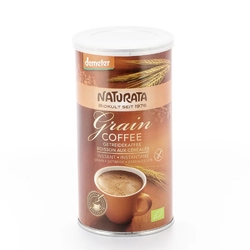
Grain and malt coffee is another rustic alternative made from rye, barley or spelt, offering an intense, nutty and slightly bitter taste. Grain coffee is popular with people who have stomach issues because it can support digestion.
Chicory coffee, made from the roots of the chicory plant, is rich in minerals and contains no caffeine or gluten. It has a sweet‑bitter flavour and is a good choice for those looking to reduce their caffeine intake.
Quite different is chaga coffee, made from the chaga mushroom, which is said to have immune‑supporting and anti‑inflammatory properties. The mushroom is usually offered as a fine powder and prepared similarly to instant coffee.
Other options include ginger or lemon tea, ginseng tea and innovative beverages like chaga tea, which don’t taste like coffee but can be stimulating because of their ingredients.
What coffee alternatives are suitable during pregnancy?
During pregnancy it is important to reconsider caffeine intake. Fortunately, there are many tasty and safe alternatives to coffee that are particularly suitable for expectant mothers.
A delicious option is hot chocolate, which contains magnesium and antioxidants and also promotes the feel‑good hormone serotonin. However, cocoa does contain caffeine, albeit in smaller amounts than coffee. Chicory coffee has a coffee-like taste and has a probiotic effect beneficial for the gut flora.
The decaffeinated rooibos is rich in vitamin C and antioxidants and retains its flavour when mixed with milk and honey. Chai latte is a warm and spicy alternative that can be made without black tea to remain caffeine‑free while still offering a rich taste. A wide selection of herbal teas provides a calming and soothing effect without caffeine; chamomile, peppermint and ginger are popular choices.
These alternatives allow pregnant women to continue enjoying the ritual of a warm cup without the risks or side effects of caffeine.
What coffee alternatives are suitable for gastritis?
Lupin coffee is a caffeine‑free alternative that closely resembles the taste of coffee. The lupin seeds are roasted and provide not only a coffee-like flavour but also healthy protein and numerous minerals and trace elements.
Ginger water is a caffeine‑free pick‑me‑up rich in vitamin C that stimulates circulation and can be a good alternative for gastritis. Caution is advised: in some people with gastritis or a sensitive stomach, ginger’s anti‑inflammatory properties may be soothing. In others, however, ginger can worsen symptoms, especially in larger amounts, because it is quite spicy. Effects are therefore very individual.
Malt coffee made from malted barley is another caffeine‑free, stomach‑friendly alternative. The barley grains are soaked, germinated, dried and then roasted, which gives malt coffee a coffee‑like flavour.
Grain coffee, produced from various cereals such as spelt, rye or barley, is also suitable when a digestion‑promoting effect is desired. However, grain coffee has a stronger taste due to its bitter compounds.
Herbal teas, especially chamomile and fennel, are recommended because they soothe and do not irritate the stomach. They can provide relief in acute gastritis and are a good alternative to caffeinated drinks.
Which coffee alternatives keep you awake?
For those seeking coffee alternatives that also keep you awake, there are a variety of options that can be stimulating both with and without caffeine.
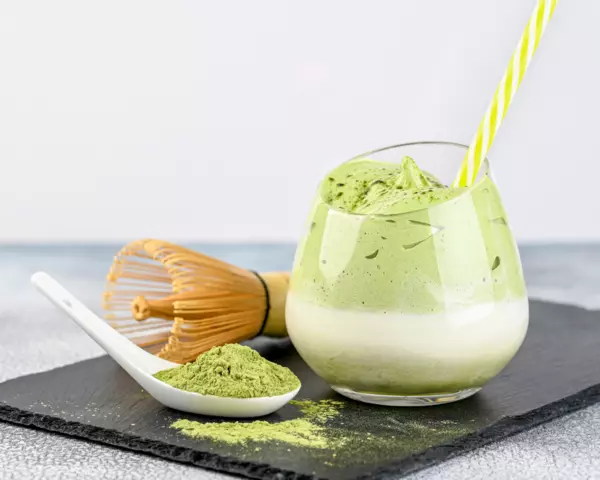
Green tea and matcha are popular caffeinated alternatives whose caffeine is absorbed more slowly by the body. This provides longer‑lasting alertness without the peaks and troughs that coffee can sometimes cause. They are rich in health‑promoting polyphenols.
Mate is known for its gentle and steady caffeine effect and is often considered easier on the stomach than coffee. It also contains many minerals and vitamins that stimulate metabolism and aid digestion.
Black tea also contains caffeine; it acts more slowly than coffee but lasts longer, making it an effective wake‑up drink.
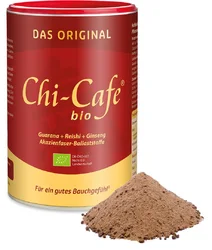
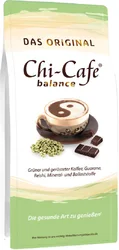
Guarana is a superfood from the Amazon whose caffeine is released slowly, helping you stay awake longer. It can be easily added to smoothies or muesli for a morning energy boost.
Ginger has a stimulating effect on the whole body and can be brewed as a tea to serve as a natural caffeine‑free energiser.
Citrus fruits such as lemon, orange, mandarin or grapefruit increase noradrenaline production through their vitamin C and can thus boost concentration and metabolism.
Turmeric, known for its anti‑inflammatory properties, can be enjoyed as a latte or golden milk and provides vigour and energy.
Wheatgrass is rich in vitamins and antioxidants and offers an energetic start to the day as a shot or smoothie.
Healthy and invigorating coffee alternatives: useful tips
- Eat energy‑rich snacks. Nuts, seeds or a square of dark chocolate provide a quick energy boost without the abrupt drop that sugary snacks can cause.
- Discover the power of kombucha. This fermented drink contains small amounts of caffeine and provides a gentle energy lift thanks to its B vitamins.
- Choose green tea. It contains less caffeine than coffee and is gentler on the stomach while still providing a stimulating effect.
- Use cocoa. A natural pick‑me‑up that contains theobromine, a mild stimulant that works similarly to caffeine but more gently.
- Try mate tea. A caffeinated beverage popular in South America that stimulates gently without the negative effects often associated with coffee.
- Consider dandelion coffee. Dandelion‑root coffee is a caffeine‑free alternative valued for its detoxifying properties.
- Enjoy yerba mate for an invigorating experience. Yerba mate is rich in antioxidants and vitamins, has a unique flavour and a stimulating effect.
- Use the refreshing effect of lemon water in the morning. Lemon water can energise the body and provide a fresh start to the day without caffeine.
- Explore the world of fermented teas with jun. Jun is a lesser‑known alternative to kombucha, fermented with green tea and honey.
- Experiment with acorn coffee for a nutty alternative. Acorn coffee, made from roasted and ground acorns, is a caffeine‑free option appreciated for its rich, earthy flavour.
Coffee alternatives open up a world of variety and health benefits, allowing coffee lovers to make their daily routine more exciting and discover new flavours. These alternatives, from mushroom coffee to lupin coffee, offer not only different aromas but can also have positive effects on well‑being.