Mouthwash
Fresh breath with this simple remedy
What are mouthwashes used for?
Mouthwash is not intended to replace your daily dental care routine. Mouthwash is rather a supplement that supports and enhances good oral hygiene.
Each type of mouthwash offers its own benefits depending on its composition and intended use. In general: the active ingredients in a mouthwash can reach the spaces between the teeth and the back of the mouth and kill bacteria that have accumulated there.
How do cosmetic and medical mouthwashes differ?
Cosmetic mouthwash is purely for cosmetic purposes: its role is simply to freshen breath. It has no medical effect, typically contains peppermint or menthol and thus provides a sensation of fresh breath. One type of deodorising agent are astringent salts, which act as odor neutralisers. This temporarily masks bad breath.
Tooth- and gum-care mouthwashes contain protective and disinfectant ingredients and help to prevent cavities.
Peroxide-containing mouthwashes act as whiteners and help remove stains from the teeth.
Antimicrobial mouthwashes with essential oils like tea tree oil or with actives such as triclosan and chlorhexidine help to reduce plaque formation and gum inflammation.
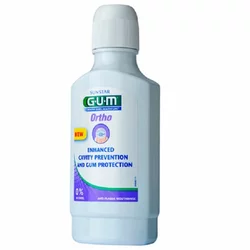
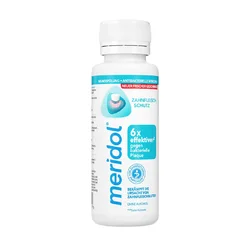
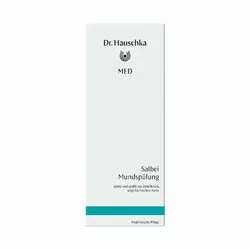
Which mouthwash ingredients protect against cavities and gum inflammation?
Cavity-preventing mouthwashes contain caries-reducing substances such as stannous fluoride and aminofluoride, which strengthen the enamel, loosen plaque and can reduce its re-formation. The fluoride concentration should be at least 0.025%.
These mouthwashes are recommended for exposed tooth roots, after periodontal treatment and for orthodontic patients with brackets.
Gum-care mouthwashes are suitable for relieving symptoms of gum inflammation. Herbs they contain, such as sage and mint, strengthen the gums and promote blood circulation, allantoin soothes irritated mucous membranes, alcohol and essential oils have a mild antibacterial effect. Alcohol-free mouthwashes are preferable as they are gentler and help to avoid dry mouth.
When are medical mouthwashes prescribed by the dentist?
Medical mouthwashes are medicines and are prescribed by the dentist for specific purposes. They can speed up healing after periodontal treatments or dental operations, kill bacteria, stop gum bleeding, treat canker sores or promote faster regeneration after oral surgical procedures.
Among dental professionals, such mouthwashes are also regarded as a “chemical toothbrush”: they fight plaque when independent, thorough oral hygiene is difficult, for example in patients with physical or mental disabilities for whom regular tooth cleaning is challenging.
These mouthwashes typically contain 0.2–1% chlorhexidine – an antibacterial ingredient that not only kills bacteria but also relieves gingivitis and advanced inflammations in the mouth. Another active, cetylpyridinium chloride (CPC), enhances the effect of chlorhexidine by inhibiting plaque formation on enamel and gums.
Tips for effective use of mouthwash for optimal oral health
- Consult your dentist to determine when and how often you should use mouthwash. They can help identify your specific needs.
- How to use a mouthwash (unless the manufacturer recommends otherwise): take the recommended amount into your mouth, rinse for about 30–40 seconds and spit out. If recommended by the manufacturer, dilute the mouthwash with tap water before use.
- Do not exceed the recommended amount: too much mouthwash can disturb your oral microbial balance and cause more harm than benefit.
- Avoid eating or drinking for 30 minutes after oral care. Many mouthwashes contain active ingredients that exert their full effect only after some time and therefore should not be rinsed away. This is especially true for fluoride.
- Antibacterial mouthwashes should be used no earlier than 30 minutes after brushing, otherwise the fluoride protection will be rinsed away. Fluoride-containing mouthwashes can be used several times a day but should not be used with or immediately after brushing with fluoride toothpaste.
- For most mouthwashes, application twice a day is recommended; however, you can use them (if not prohibited by the manufacturer) after each meal to prevent acid damage in the mouth.
- Note that mouthwashes containing chlorhexidine cannot be used regularly, as their strong antibacterial action can damage the natural oral flora. Chlorhexidine can also cause tooth staining and taste changes.
- Be aware that long-term use of whitening mouthwashes may cause side effects such as gum irritation and tooth sensitivity.
- Do not swallow mouthwash. Fluorides, menthol and alcohol, which most mouthwashes contain, should not be ingested in large quantities.
- Pregnant women, children and people recovering from alcohol addiction should use alcohol-free mouthwashes only. People prone to allergies should use mouthwashes without essential oils or test them carefully before use.
- For recurring gum problems, do not rely on a gum-care mouthwash alone—see a doctor promptly.
With these tips, mouthwash becomes a useful addition to oral hygiene measures and gives you a pleasant feeling of freshness!