
Oral care
What you can truly smile about
editorial.overview
Why is oral care important?
Oral care is far more than a daily routine – it plays a central role in overall health and wellbeing. Scientific studies show that conditions in the oral cavity affect not only teeth and gums, but can also have serious effects on the entire body.
Particularly alarming is the link between periodontitis and conditions such as diabetes, cardiovascular disease and respiratory infections. Bacteria from inflamed gums can enter the bloodstream and amplify inflammatory responses in the body, increasing the risk of stroke, heart attack and other systemic diseases.
A healthy mouth also contributes to a stronger immune system, while poor oral hygiene can weaken the body's defences. The buildup of plaque, a bacterial film on the teeth, is especially dangerous: if left untreated it can lead to cavities, gum disease and ultimately tooth loss.
Neglected dental care leads not only to pain and inflammation but also to everyday limitations – from unpleasant breath to difficulties with eating and speaking. Oral hygiene is particularly important during pregnancy, as gum disease can increase the risk of premature birth.
The significance of oral health goes even further. Studies suggest that poor oral hygiene may be associated with certain cancers, rheumatic diseases and even Alzheimer's. At the same time, good oral hygiene can help better control existing conditions such as diabetes by reducing inflammation-related fluctuations in blood sugar.


What oral care products are available?
For thorough and effective oral hygiene there is a wide range of products that go well beyond the classic toothbrush. The right combination of these aids not only keeps teeth clean but also protects against cavities, gum disease and bad breath. Correct application is just as important as choosing the right products.
The most important tool is probably the toothbrush, which removes plaque and bacteria daily. Toothbrushes with medium-soft, rounded bristles are especially recommended because they clean thoroughly without damaging the gums. Electric toothbrushes clean particularly effectively and make brushing easier. Toothpaste also plays a key role.
A good toothpaste contains fluoride, which strengthens enamel and lowers the risk of cavities. Products with highly abrasive ingredients marketed as “whitening” should be used with caution, as they can damage teeth over time.
Because conventional toothbrushes often do not reach all areas of the mouth, floss and interdental brushes are indispensable. Dental floss removes food debris and plaque from tight interdental spaces, while interdental brushes are particularly suitable for larger gaps or for people with braces. Both aids help prevent gum inflammation and cavities in hard-to-reach places.
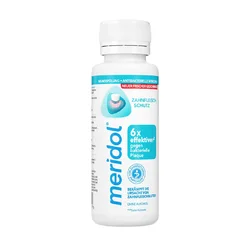
Mouthwashes further support oral hygiene by reducing bacteria and freshening breath. They often contain antibacterial agents such as chlorhexidine, which inhibit the formation of dental plaque. However, they do not replace mechanical cleaning with a toothbrush and floss.
Another useful product is the tongue cleaner. Since a large proportion of oral bacteria reside on the tongue, regular cleaning with a tongue scraper can reduce bad breath and improve taste.
For particularly thorough cleaning, a water flosser (oral irrigator) is useful; its targeted water jet removes food particles from difficult-to-reach areas. People with sensitive gums or periodontitis particularly benefit from this gentle cleaning. It does not replace floss or interdental brushes, but can be a valuable addition to daily oral hygiene.
How often should you brush your teeth?
Regular tooth brushing is the key to good oral health, with the correct frequency and duration playing a crucial role. The tried-and-tested two-times-two rule is recommended: brush twice a day – morning and evening – for at least two minutes each time. All tooth surfaces, i.e. inner, outer and chewing surfaces, should be cleaned thoroughly to remove plaque and food residues completely.
The individual frequency of brushing may, however, depend on diet. People who consume many sugar- and carbohydrate-rich foods should be particularly careful to brush regularly. Sugar promotes the formation of acids in the mouth that attack enamel and increase the risk of cavities. Still, caution is advised. Immediately after eating – especially acidic foods such as citrus fruits or soft drinks – you should wait about 30 minutes before brushing, as the enamel is particularly vulnerable during this time.
Can aggressive brushing damage teeth?
Many believe teeth become especially clean if they are scrubbed vigorously, but in reality brushing too hard can do more harm than good. Excessive pressure on the toothbrush can wear away the protective enamel and injure sensitive gums. Over time this can cause the gums to recede and the tooth necks to become exposed. This not only makes teeth more sensitive to cold and heat, but also raises the risk of cavities and gum disease.
A good reference for correct pressure is about 100 grams, roughly the weight of a small chocolate bar. If in doubt, pressure can be tested with a kitchen scale. When pressing the toothbrush down, it should not show more than 100 grams.
What are the benefits of fluoride in an oral hygiene routine?
Fluoride is an essential component of dental care because it strengthens enamel and effectively protects against cavities. Contrary to a widespread misconception, fluoride at the correct dosage is not toxic. It is a natural substance also found in drinking water, mineral water and black tea. In dental care, fluoride has several beneficial effects on oral health.
The main benefit of fluoride is its ability to remineralize enamel. Enamel can be attacked by the diet, especially by sweet or acidic foods, and minerals can be leached out of enamel. Fluoride helps redeposit these lost minerals quickly and repair enamel before harmful bacteria can colonize. This makes the tooth more resistant to future acid attacks.
Fluoride also acts as a protective barrier against cavities. With regular use, a thin protective layer of fluorapatite forms on the teeth. This layer is more resistant than natural enamel and protects teeth from the harmful effects of acids.
Another advantage is the antibacterial effect of fluoride. It can disrupt the metabolism of cavity-causing bacteria and thus inhibit their growth. As a result, less harmful acid is produced to attack enamel.
Do whitening toothpastes and gums damage teeth?
Many people desire bright white teeth and therefore reach for whitening toothpastes or special gums. But the promised effect is often limited – and can even harm teeth. The whitening effect of such products is based on two principles: mechanical abrasion by polishing particles and chemical bleaching agents such as hydrogen peroxide. The latter is present in only very small amounts in toothpaste and gum and has negligible detectable effects, while the abrasive particles can have an unwanted side effect.
Due to their rough texture, these polishing particles remove surface stains from the tooth surface but, with frequent use, can also wear away enamel. If this protective layer is excessively abraded, teeth become more susceptible to acid attacks and can become more sensitive to cold, heat or sweet foods in the long run. Whitening toothpastes should therefore not be used daily but only occasionally.
Gums that claim to have a whitening effect usually have only a minor impact. They often contain mild polishing agents that can remove superficial deposits, but true whitening of the teeth is not achievable. Sugar-free gums containing xylitol, however, can contribute to oral health by stimulating saliva flow and thus helping to naturally cleanse the teeth.
Oral hygiene: how to keep your teeth healthy in the long term
- Brush your teeth in the morning after breakfast and in the evening before going to bed for at least two minutes. Make sure to clean all tooth surfaces thoroughly to remove plaque. Use gentle, circular motions to protect the gums.
- A toothbrush with rounded, soft to medium bristles is ideal to avoid injuring the gums. Replace your toothbrush or the head of your electric toothbrush at least every two months, or sooner if worn.
- Use a fluoride toothpaste to strengthen your enamel and protect against cavities. Fluoride helps support tooth remineralization and counteract acid attacks from bacteria.
- Even the best toothbrush does not reach all areas in the mouth. Clean your interdental spaces daily with floss or interdental brushes. This is especially important with crowded teeth where food debris easily gets trapped.
- An antibacterial mouthwash can help reduce bacteria and protect the gums. Choose an alcohol-free variant to avoid drying out the oral flora. Note, however, that a mouthwash does not replace tooth brushing.
- The tongue is a reservoir for bacteria and should therefore be cleaned regularly. Use a tongue scraper or a toothbrush to remove deposits and prevent bad breath.
- After consuming acidic foods such as citrus fruits, soft drinks or wine, wait at least 30 minutes before brushing your teeth. Acids temporarily soften enamel and immediate brushing can damage it.
- Water rinses away food particles, neutralizes acids and promotes saliva production, which in turn protects the teeth. A glass of water after sweet or acidic foods can help support oral health.
- Soft drinks and energy drinks often contain a lot of sugar and acid that attack enamel. If you do not want to give them up, drink them sparingly and use a straw to minimise direct contact with your teeth.
- If you are on the go and cannot brush your teeth, sugar-free gum can help. It stimulates saliva production, cleans the mouth and neutralises acids. Look for products containing xylitol, which also has antibacterial properties.
- Tobacco smoke stains teeth, damages gums and increases the risk of periodontitis. If you want to keep your teeth healthy in the long term, it is advisable to quit smoking or at least reduce consumption.
- If your gums bleed when brushing, do not ignore it. Most often the cause is gingivitis, which can often be controlled by thorough oral hygiene. If bleeding persists, you should visit a dental practice.
- Maintain a systematic brushing technique so no areas are missed. The so-called “Bass technique” is particularly effective. Hold the toothbrush at a 45-degree angle to the gumline and perform small vibrating motions. This removes plaque gently and effectively.
- Even if your teeth appear healthy, you should have a dental check-up at least once a year. Dentists detect problems early and can remove stubborn deposits with a professional cleaning.
Good oral care goes far beyond daily toothbrushing and affects the health of the whole body. Bacteria in the oral cavity can promote inflammation and even serious diseases, which is why consistent hygiene is essential. Those who follow proper care not only prevent dental problems but also maintain a fresh, confident smile.