Oral thrush
What redness in the mouth can mean
What is oral thrush and who is at risk?
Oral thrush, also called oral candidiasis, is an infection of the mouth and throat caused by yeasts, most commonly Candida albicans. The inner surfaces of the cheeks and lips are often affected, and sometimes the tongue and the palate. The time between exposure and symptom onset is not precisely known because these yeasts can also be present on healthy skin.
Whether an infection develops depends on the immune system's ability to control excessive yeast growth. The yeasts take advantage of a weakened immune defence to multiply. That is why oral thrush frequently occurs in newborns and infants, whose immune systems are not yet fully developed. During breastfeeding, moisture and warmth under breast pads can also lead to a yeast infection of the mother's nipples. This infection can then be passed to the baby and appear in the infant's mouth as oral thrush.
But older children and adults can also develop oral thrush, especially if their immune defences are weakened by certain medications or conditions such as diabetes mellitus or HIV. Antibiotics and corticosteroids are examples of medicines after which oral thrush may occasionally occur. Older people who have no teeth or who wear dentures are also at risk. Injuries in the mouth, smoking, inadequate oral hygiene, nutrient deficiencies and certain illnesses can also contribute to the development of oral thrush. Reduced saliva production is another risk factor. Acute infectious diseases such as pneumonia can also increase the risk.
What symptoms point to oral thrush?
Here are some signs that may indicate such an infection. Oral thrush is characterised by white or yellowish spots or coatings on the tongue, the palate, the inside of the cheeks or the gums. The affected areas may also be red and inflamed. Touch, food and drinks can cause pain.
A fungal infection can cause cracks or fissures at the corners of the mouth, known as angular cheilitis. Oral thrush can lead to an unpleasant taste or even a complete loss of taste. The sense of taste usually returns to normal after successful treatment. In severe cases the infection can spread to the throat and oesophagus and cause difficulty swallowing.


What types of oral thrush are there?
There are three types of oral thrush: pseudomembranous candidiasis, acute erythematous candidiasis and hyperplastic candidiasis. Typical for pseudomembranous candidiasis is marked redness of the oral mucosa covered with small white spots. These spots, often found on the inside of the cheeks and lips, on the palate and under the tongue, initially look like milky-white speckles. Sometimes, especially when the yeasts settle under a denture, the gums may also be affected.
Small white deposits can usually be wiped away easily, revealing a red, shiny surface underneath. Over time the spots increase in number and size and may merge into larger white patches. The underlying tissue may bleed slightly when the coating is removed. Oral thrush may also be accompanied by increased thirst, taste disturbances and a furry or cottony feeling in the mouth.
Redness of the mucosa and a burning sensation in the mouth, particularly on the dorsum of the tongue, characterise acute erythematous candidiasis. This form is often seen during antibiotic therapy or in HIV infection and frequently follows pseudomembranous candidiasis. Chronic hyperplastic candidiasis, also called Candida leukoplakia, is characterised by firm white patches with red borders on the mucosa and tongue that are difficult to remove. This form occurs more often in people with weakened immune systems and can persist for months or years.
What complications can oral thrush cause?
Oral thrush usually does not have serious health consequences, but it can cause considerable discomfort. Difficulty swallowing and speech problems can occur if the fungus spreads from the mouth to the oesophagus. Together with other symptoms this can lead to eating problems and weight loss. If the immune defence is severely weakened, the yeasts can also invade deeper tissue layers, reach the bloodstream and even cause a life-threatening bloodstream infection (sepsis).
Prevention and treatment of oral thrush: effective measures
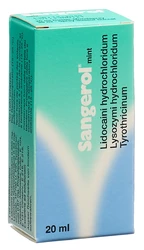
- Antifungal medicines are usually prescribed to treat oral thrush. For a mild form, topical treatments are often sufficient. These are available, for example, as lozenges, oral gels, solutions or liquid suspensions with a dropper.
- If the yeast persists in the mouth, spreads to other organs such as the oesophagus or the gut, or keeps recurring, the doctor will prescribe antifungals to be taken orally. These medicines act not only in the mouth but also in the rest of the digestive tract, especially the gut.
- Adhering to the prescribed treatment duration for oral thrush is essential. With consistent local treatment using the appropriate medicine, healing usually does not take longer than eight to ten days. Symptoms often improve within the first few days of treatment.
- Strengthen your immune system: a healthy immune system is better able to fight infections. Get enough sleep and exercise regularly.
- Maintain adequate fluid intake to avoid dry mouth. If necessary, room humidity can be increased with a humidifier.
- Hygiene is particularly important for preventing oral thrush in infants and young children. Regular cleaning of pacifiers, bottle teats and teething toys by boiling is recommended. Avoid, for example, "cleaning" a dropped pacifier with your own saliva.
- Vaginal yeasts can be transmitted from the mother to the child during delivery and cause oral thrush. Pregnant people should have any possible Candida infection treated before giving birth.
- Good oral hygiene is essential with oral thrush. Daily cleaning with a toothbrush and dental floss is crucial. Prefer soft brushes to avoid injuring the gums. Rinsing the mouth and oral mucosa with antiseptic solutions is also recommended.
- If you wear a denture, a good fit is important to avoid rubbing and deposits. Clean your denture thoroughly after each meal to help prevent oral thrush. Plaque and food residues can increase the risk of a fungal infection.
- To relieve pain from oral thrush, you can adapt your diet. It is recommended to switch to soft foods, avoid hot and alcoholic drinks, and use honey instead of sugar for sweetening. Cutting down on sugar is particularly important because it promotes the growth of fungi and bacteria in the mouth and thus increases the risk of infection. Preferring soft foods can also help protect sensitive areas in the mouth.
- Smoking increases the risk of a fungal infection of the mouth. Try to smoke less or, preferably, quit smoking altogether.
- To clean the mouth and temporarily combat the fungus, a mouth rinse made from warm water and salt can help. Put a teaspoon of salt in a cup of warm water and swish the mouth for 30 seconds several times a day.
- Tea tree oil has antifungal properties and can be used to fight Candida. A few drops of tea tree oil are diluted in a carrier oil such as olive oil and gently applied to the affected areas in the mouth. Do not rinse out or swallow the oil. Tea tree oil can be toxic and should not be swallowed accidentally.
- Baking soda can help regulate the pH in the mouth and reduce the acidity that favours Candida growth. Mix a small amount of baking soda with water to form a paste and gently apply it to the affected areas in the mouth. Rinse the mouth thoroughly and repeat this process several times a day.
- The home remedies mentioned above may sometimes provide supportive relief. However, it is always advisable to consult a doctor if oral thrush is suspected so that an accurate diagnosis can be made and the correct medication prescribed.
An inconspicuous fungus that normally poses no danger can spread freely when the immune defence is weakened and infect the mucous membranes throughout the mouth. But with these tips and tricks, annoying oral thrush doesn't stand a chance!