
Cracked corners of the mouth
This is why your mouth hurts
editorial.overview
What are cracked corners of the mouth?
Cracked corners of the mouth, also called angular cheilitis or perlèche, are painful inflammations often accompanied by redness and crusting at the mouth corners. Because the thin skin of the lips is constantly stressed by laughing, yawning, eating and toothbrushing, these cracks can be slow to heal without appropriate treatment.
Rhagades are small slit-like tears in the skin that can reach the dermis and damage the skin barrier. Chronic angular cheilitis should be medically assessed to prevent bacteria and pathogens from entering the body.
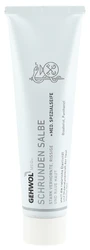
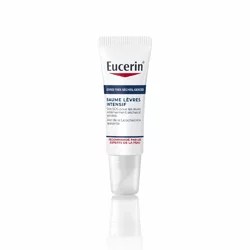
What can cause cracked corners of the mouth?
The causes of cracked mouth corners are diverse and often related to the sensitive skin in this area. The perioral region is particularly vulnerable because it lacks sebaceous glands that would otherwise form a protective lipid film.
A vitamin deficiency, especially of B vitamins and iron, can lead to dry, fissured epidermis. Such nutrient deficits weaken the skin barrier and make it more prone to splitting. Chronic conditions such as atopic dermatitis and diabetes also increase the risk for rhagades. In atopic dermatitis the skin is generally drier and less resilient, while diabetes can impair wound healing and predispose to infections.
Environmental factors are also important. Cold winter air and warm dry indoor heating strip moisture from the skin, which contributes to more frequent angular cheilitis in winter. Intense sun exposure can also dry out lip skin and cause cracks.
Microorganisms like bacteria and fungi, for example Candida albicans and Staphylococcus aureus, can penetrate the fine cracks and cause inflammation. These infections often worsen symptoms. Allergies to certain care products or foods can also cause cracked corners; an allergy test can help clarify this.
Why are cracked corners of the mouth more common in pregnancy?
During pregnancy cracked mouth corners occur more frequently. This is mainly due to the altered nutritional needs of the body at this time. Increased requirements for vitamins and minerals, notably vitamin B12, riboflavin and iron, can lead to deficiencies that make the skin more susceptible to cracking. Hormonal changes in pregnancy also affect skin condition.
How long does it take for cracked corners of the mouth to heal?
The healing time for mouth corner fissures depends on the cause and appropriate treatment. Mild cracks treated promptly with suitable products typically heal within a few days.
If symptoms persist, it is advisable to consult a doctor to clarify the cause and start targeted therapy if needed. Chronic or frequently recurring lesions can indicate more serious health issues requiring specific treatment.
How do doctors diagnose cracked corners of the mouth?
To accurately diagnose a cracked corner of the mouth, the physician usually begins with a detailed medical history. The doctor will ask about existing health problems, medications taken or allergies that could contribute to the symptoms. This information helps identify possible causes of the angular cheilitis.
Following the history, a thorough examination of the affected areas is performed. Typical signs such as small blisters or white deposits may point to specific infections like cold sores or oral thrush. Further diagnostic steps may be necessary to determine the exact cause of the fissures.
A swab from the cracked mouth corners can be tested for pathogens such as bacteria or yeasts to determine whether an infection is present. A blood test provides information on possible nutrient deficiencies that might have led to the fissures by identifying vitamin or mineral shortfalls. An allergy test can clarify whether allergies to lip care products or other substances are triggering the problem. If dental issues are suspected, a dentist visit is recommended to check whether poorly fitting dentures or other dental problems are affecting the mouth corners.
How do doctors treat cracked corners of the mouth?
If nutrient deficiencies are found, treatment often includes a targeted dietary change or the prescription of supplements. For fungal infections, a specific antifungal ointment is typically used, often in combination with zinc-containing ointments to support skin healing.
For bacterial infections, the physician prescribes antibiotic ointments applied directly to the inflamed areas to fight the pathogens. For inflammatory symptoms, corticosteroid creams may be used to reduce inflammation and speed healing.
If an underlying condition such as diabetes or an autoimmune disease is present, it will be treated primarily to relieve the symptoms of the cracked corners. In allergic reactions it is important to identify and avoid the triggering substance.
Measures for oral hygiene also play a key role in supporting healing. These include regular dental care and oral cavity maintenance as well as the use of lip care products that keep the skin supple. Denture or orthodontic wearers are advised to have regular dentist check-ups, and smokers are encouraged to stop using tobacco products to avoid delaying healing.
What you can do yourself for cracked corners of the mouth: helpful tips
- Keep the mouth corners dry by gently patting them regularly to avoid moisture that could encourage bacteria.
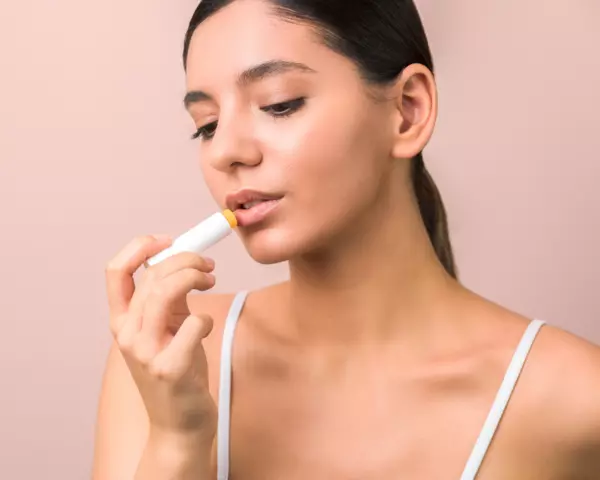
- Apply a nourishing lip balm regularly to keep the skin supple and prevent cracks.
- Gently dab the corners with sage tea to support healing.
- Chew gum or suck lozenges to stimulate saliva flow and prevent dry mouth.
- It is recommended to avoid spicy, acidic and very salty foods, as they can further irritate the fissures.
- Avoid licking the mouth corners to reduce additional irritation and infection risk. Saliva on the wound can interfere with healing. Home remedies for viruses and immune support can help relieve pain and prevent worsening of the lesion.
- Apply a paste of honey and olive oil to soothe and help heal skin cracks.
- Use lip care products with chamomile or witch hazel to nourish and calm the lips.
- Maintain a balanced diet rich in vitamins and minerals to prevent deficiencies.
- Prepare chamomile tea and dab the mouth corners with it to soothe inflamed areas.
- Be aware of iron deficiency, which can promote cracking of the mouth corners. Use remedies such as zinc ointment to relieve pain and support the immune system.
- Mix quark (or a mild fresh cheese) with honey and apply it to nourish the skin and heal cracks.
- Use aloe vera gel to soothe the skin and provide moisture.
- If needed, use specialised medical skincare products designed for skin regeneration.
Cracked corners of the mouth can be uncomfortable and may indicate underlying health problems. Targeted skin care, attention to possible nutrient deficiencies and a medical consultation for persistent symptoms are important steps to address causes and promote healing.