Oxytocin
The secret behind deep human bonds
editorial.overview
What is oxytocin and what role does it play in human relationships?
Oxytocin is a neurohormone that is central to the development of human relationships and is often called the bonding hormone or cuddle hormone. The name oxytocin comes from Ancient Greek and means “quick birth.” It is released by affectionate touches such as hugs or stroking and promotes a sense of wellbeing. Specialized nerve cells, so‑called C‑tactile nerve fibres, respond to gentle touch and send these signals to the brain, which leads to increased oxytocin release.
How is oxytocin produced and distributed in the body?
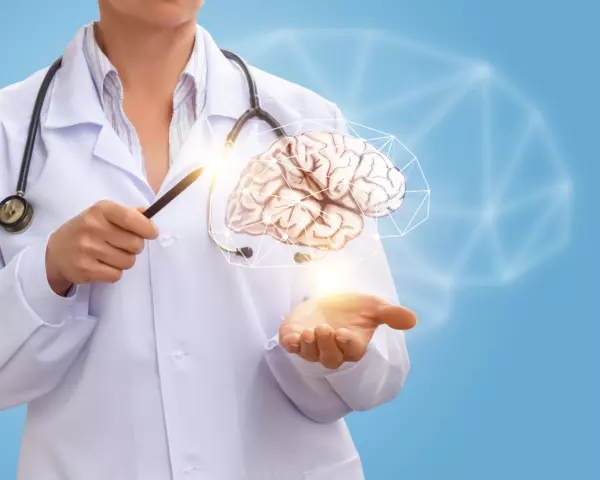
The hypothalamus at the centre of the brain is responsible for producing oxytocin, which then enters the bloodstream. From there it travels to the appropriate receptors, the oxytocin receptors (OXTR), which are located in various tissues throughout the body, e.g. in the myoepithelial cells of the mammary glands, in the tissue of the genital organs, in the kidneys, the heart, the thymus, the pancreas and in fat cells.


What role does oxytocin play during birth and breastfeeding?
Oxytocin plays a crucial role during birth by promoting uterine contractions and thus the progress of labour. In cases of weak contractions or stalled labour, it is used as a medication to help restart childbirth. After birth, the cuddle hormone is responsible for afterpains and increased postpartum bleeding, which ease the detachment of the placenta from the uterus. During breastfeeding it triggers the milk ejection reflex, where the milk glands move breast milk towards the nipple.
How does oxytocin affect stress and heart health?
Oxytocin regulates the level of the hormone cortisol, known as the stress hormone. Cortisol typically raises alertness and performance in demanding situations, but chronic stress can negatively affect health. Oxytocin has a calming effect on the brain’s HPA axis, which controls the release of cortisol, and thus helps to reduce stress and promote relaxation. In addition, oxytocin may contribute to improving heart function after a heart attack by encouraging certain heart wall cells to convert into stem cells.
What other health benefits does oxytocin offer?
Oxytocin influences mechanisms that regulate arterial blood pressure both in the brain and peripherally. It increases alpha‑2 reactivity in the brain, which leads to lower blood pressure and a slower heart rate. It also promotes a reduction in vascular resistance in the peripheral blood vessels and an increase in blood flow to the kidneys. Touches that release oxytocin also strengthen the immune system and can help overcome depression and anxiety. Oxytocin is also used in the treatment of autism and other behavioural disorders to improve social interaction.
How to encourage the release of the bonding hormone: tips for more oxytocin in everyday life
- Regular hugging of friends and family can stimulate oxytocin release. Intimate moments, kisses and shared activities with a partner can also increase oxytocin levels.
- Foods do not contain oxytocin, but they can prompt the hypothalamus to release the feel‑good hormone. One test found that a cheeseburger triggered the highest oxytocin release, and a chocolate dessert had a similar effect. So an occasional treat of a favourite food can pay off!
- Lactobacillus reuteri, a probiotic strain, can stimulate the body’s own production of oxytocin. These special microorganisms are, for example, present in a fermented probiotic drink known as Brottrunk.
- It is believed that the hormone can also be released by stimulating sensory impressions such as pleasant smells, sounds, light and warmth, as well as enjoyable taste experiences.
- Ideal for triggering oxytocin in a baby is cuddling against the bare chest of its mother or father. Snuggle under a light blanket, enjoy the closeness and contact, and let the oxytocin do its work. Baby massages, shared baths or the use of baby slings are also excellent.
- If there is no one to hug at the moment, you can even hug a tree. Hugging a tree activates the touch receptors in the skin and releases the feel‑good hormone. It may sound funny at first, but most people actually feel noticeably better after the experience.
- If trees are too hard, consider a four‑legged companion as a cuddle partner. Swedish researchers have found that oxytocin is released not only during interactions between people, but also when touching and hugging animals, particularly dogs.
- There are even professional cuddlers who, for a fee, offer physical closeness while sexual contact is prohibited. The client and the cuddler hold hands, sit or lie close together and stroke each other’s shoulders, arms or head. Depending on what relaxes the client best, they are hugged, squeezed or held firmly.
- It can be beneficial to cuddle with yourself as well. Over the course of a day we touch our own body several hundred times – often without realising it. Simple gestures like crossing your arms, placing a hand on your heart or stomach, or stroking your arm can, according to research, have a stress‑reducing effect. Consciously feeling your own warmth and gently stroking yourself can provide comfort and calm, even though it cannot fully replace contact with others.
- There is the option to administer the hormone artificially in the form of a nasal spray. Experts caution against buying and using oxytocin sprays advertised on the internet without medical advice, as the exact list of ingredients is often unknown. Moreover, oxytocin may only be effective in certain people and in combination with appropriate psychotherapy. Medication should only be considered if the body cannot produce sufficient amounts of the feel‑good hormone itself, and only in consultation with a doctor.
Oxytocin plays a central role not only in forming bonds and relationships, but also in coping with stress. The importance of oxytocin shows how closely body and mind are connected and how important it is to look after our internal chemistry.