Breastfeeding
Your baby’s miraculous first meal
Which hormones play a decisive role in breastfeeding?
Breastfeeding is physically demanding work that is closely linked to a woman’s hormonal balance. During pregnancy several hormones are released that prepare the breasts for upcoming breastfeeding. Through a coordinated interplay of estrogen, progesterone, prolactin, insulin and relaxin, the process called galactogenesis takes place: the breasts grow and the milk glands, milk ducts and alveoli prepare for milk production.
One of the most important hormones for milk production is prolactin, and not surprisingly its level often doubles during pregnancy. It is often called the "motherhood hormone", as it also promotes special feelings of the mother toward her baby.
The "bonding hormone" oxytocin not only reduces the release of stress hormones in both mother and child, but also builds the bond between them. It is also responsible for contraction of the uterine muscle cells (afterbirth contractions) and for facilitating the ejection of milk during breastfeeding. This important hormone is released by sucking at the breast and by direct skin-to-skin contact. Thanks to this special contact immediately after birth, the baby placed on the mother's abdomen finds the nipple by itself. Sucking is an important reflex that positively influences the development of the palate and jaw of the infant and strengthens its head and neck muscles.
How does breast milk promote the baby’s development?
Breast milk is of great importance for the baby: it supports its energy and fluid balance, provides omega-3 fatty acids for brain development and high-quality protein for growth.
In addition, breast milk is easily digestible and promotes a healthy gut flora. One of the most important roles of breast milk is to support the infant's immune system and build effective defence against various pathogens. The baby’s immune system is not yet fully developed and breast milk supplies antibodies to establish good protection against infections. Lactoferrin is also involved in this process and contributes to the absorption of iron from breast milk.
What health benefits does breastfeeding have for the mother?
Breastfeeding benefits not only the baby but also the mother. It helps, through abundant physical contact, to establish a secure emotional bond with the child, and reduces the risk of breast and ovarian cancer, as well as the risk of cardiovascular disease, diabetes mellitus, endometriosis, osteoporosis and overweight. Breastfeeding increases prolactin secretion, which has a calming effect on the mother.
How can milk production be stimulated?
Sometimes milk production seems insufficient for breastfeeding. In such cases it is advisable to stimulate it.
The more frequently the baby feeds, the more milk is produced – the principle of "supply and demand" regulates milk volume. Stress can inhibit milk flow. Periods of rest, massages or a warm shower help promote the release of the milk-production hormone prolactin. Gentle massages and warm compresses before feeding stimulate the let-down reflex. If needed, lactation teas, fenugreek capsules or specialised breastfeeding counsellors can offer valuable support.
Getting breastfeeding off to a good start – practical tips for new mums
- Ensure uninterrupted skin-to-skin contact of the baby on your abdomen immediately after birth. Do not disturb your baby in its independent attempts to find the nipple.
- Put your infant to the breast as often as they demand, including at night. This is particularly important in the first weeks and ensures a healthy milk flow. Prolactin is released during breastfeeding, which also helps with falling asleep at night.
- As odd as it may sound: watch for wet nappies. At least 6 wet nappies and 3 to 4 bowel movements in the first weeks of life are considered normal. This indicates that your child is getting enough milk.
- Eat a balanced and varied diet and keep in mind that both under- and over-nutrition can reduce milk production. Emphasise fruit, vegetables, whole grains and other foods rich in vitamins, minerals and protein. Two portions of oily sea fish (such as salmon, herring or mackerel) per week are also essential.
- Allow plenty of time for each feeding. Find a quiet, safe place where you will not be disturbed and relax.
- Ensure adequate milk removal. If the breast is full and not emptied for a long time, the glands will subsequently produce less milk. It is therefore important to empty the breast more frequently. You can either feed your baby more often or express more frequently.
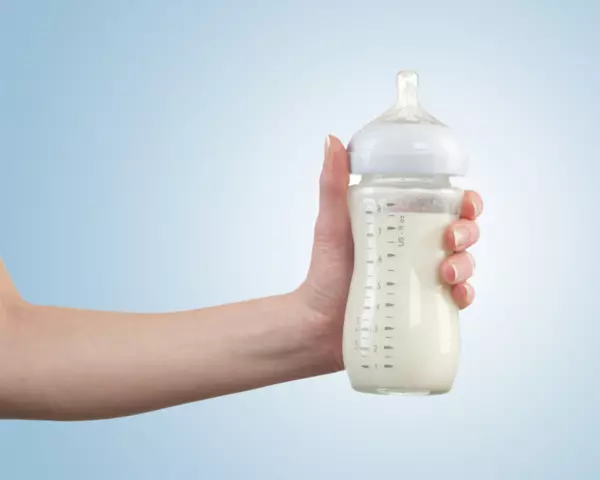
- Expressed milk can be stored in glass or hard-plastic bottles at room temperature for up to six hours, in the refrigerator for up to three days and in the freezer compartment for up to six months. However, this milk should not be heated in a microwave. Use a bottle warmer or simply run warm water over the bottle.
- Many people use lactation teas that stimulate milk production. The most common ingredients are fenugreek and fennel. They positively influence the fat content of breast milk, promote the baby's weight gain and increase milk volume.
- Alcohol-based cosmetics, soap and perfumed creams and oils on the breast are off-limits: they dry out the sensitive breast skin and may also irritate the baby.
Try these tips yourself and find out which ones suit you and your baby best.