
Pancreatitis
A painful nightmare caused by a powerful organ
What does the pancreas (pankreas) do?
The pancreas, also called the pankreas, is a vital human organ. It is located in the upper abdomen behind the stomach, near the duodenum and the spleen. The pancreas is divided into head, body and tail, giving it a comma‑like shape.
Its main task is the production of digestive enzymes. About 1.5 litres of pancreatic juice are produced daily; this fluid contains water, ions and enzymes. The juice flows through the pancreatic ducts into the small intestine, where it neutralises the acidic chyme from the stomach and breaks down food into components the body can absorb.
In addition, the pancreas plays an important role in glucose metabolism. It contains endocrine cell clusters known as the islets of Langerhans, made up of various cell types (A, B, D and PP cells). These cells produce hormones such as insulin, which regulate blood sugar levels.
How does inflammation of the pancreas occur?
An inflammation of the pancreas, called pancreatitis, can be triggered by different factors. The most common causes are gallstones and long‑term excessive alcohol consumption.
Gallstones or other diseases of the bile ducts often lead to acute pancreatitis. If a gallstone blocks the common duct of the gallbladder and pancreas, pancreatic juice cannot flow into the small intestine. This backup causes digestive enzymes to remain in the pancreas and start to digest its own tissue, leading to self‑digestion and inflammation.
Excessive alcohol consumption can also cause acute pancreatitis. Chronic alcohol abuse often results in a persistent inflammation of the pancreas.
Besides alcohol and gallstones, other factors can trigger pancreatitis. These include a very high‑fat diet. Metabolic disorders such as markedly elevated triglyceride levels (hypertriglyceridaemia) and high blood calcium (hypercalcaemia) are also possible triggers. Certain medications—for example diuretics, beta‑blockers, antibiotics and cytostatics—can likewise lead to pancreatic inflammation.
Mechanical causes such as abdominal trauma, for instance during an endoscopic retrograde cholangiopancreatography (ERCP) or after stomach or bowel surgery, perforated gastric ulcers, obstruction of the pancreatic duct or pancreatic cancer can also provoke pancreatitis.
Sometimes the cause of pancreatitis remains unclear; this is referred to as idiopathic pancreatitis.



Which symptoms can occur with acute pancreatitis?
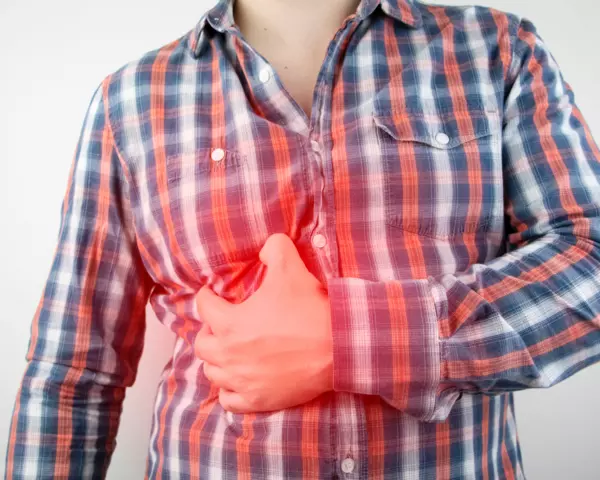
In acute pancreatitis a variety of symptoms may appear, often suddenly and severely. Typical are intense pains in the upper abdomen, often forming a belt‑like band and radiating to the back or other areas. The pain usually persists for several days. If gallstones are the cause, the pain can be colicky, i.e. come in waves.
In addition to pain, nausea and vomiting may occur. The abdomen can be bloated and tender to pressure, often described as a “rubbery belly”. Facial flushing, fever and general weakness are also common. A drop in blood pressure and circulatory problems up to circulatory collapse are further possible symptoms.
In some cases fluid can accumulate in the abdominal cavity (ascites) and in the lungs (pleural effusion). If pancreatitis is caused by a bile duct disorder, jaundice (icterus) may occur. The type and severity of symptoms depend on the extent of the inflammation and possible complications.
Which symptoms can occur with chronic pancreatitis?
Chronic pancreatitis mainly presents with recurrent or persistent abdominal pain. These pains, located in the upper abdomen, can vary in intensity and last several hours to days during flare‑ups.
In the advanced stage the pain becomes chronic and typically worsens after eating. Often relief can be achieved by sitting upright or leaning forward.
Another central symptom of chronic pancreatitis is pancreatic insufficiency. This refers to reduced production of digestive enzymes by the pancreas. It leads to inadequate breakdown of food and thus malabsorption. Affected persons may produce voluminous, unusually odorous, fatty stools (steatorrhoea) that are pale and may contain oil droplets. Insufficient nutrient uptake leads to malnutrition, vitamin deficiencies and weight loss.
How does the doctor diagnose pancreatitis?
To diagnose pancreatitis, the physician begins with a thorough medical history, asking about symptoms, their onset and possible triggers such as medications or alcohol. This is followed by a physical examination in which the abdomen is checked for tension and tenderness and signs such as jaundice or bruising are sought.
Laboratory tests are crucial, since elevated levels of pancreatic enzymes (lipase and alpha‑amylase) in the blood indicate pancreatitis. Blood glucose, kidney and liver function tests and the calcium level are also examined.
Imaging procedures such as ultrasound, magnetic resonance imaging (MRI) or computed tomography (CT) are necessary to detect gallstones and assess the extent of the inflammation. Endoscopic retrograde cholangiopancreatography (ERCP) helps to identify blocked bile ducts and remove gallstones.
How to prevent pancreatitis: useful tips
- Adopt a healthy, fibre‑rich diet. Choose fruit, vegetables, wholegrain products and lean protein such as chicken, fish or beans. These foods are easy to digest and do not overload the pancreas.
- Avoid excessive alcohol consumption, as alcohol can irritate and inflame the pancreas.
- Smoking can increase the risk of pancreatic disease and should therefore be avoided.
- Drink enough water to support good digestion and keep the body hydrated. Water also helps flush toxins from the body and relieve the pancreas.
- Control your weight through a healthy diet and regular exercise. Overweight increases the risk of pancreatic disease.
- Reduce intake of fried foods and foods high in fat. Fatty meals can overload the pancreas and lead to inflammation.
- Eat regularly and avoid long gaps between meals. This helps keep blood sugar stable and prevents undue strain on the pancreas.
- Use kitchen spices such as turmeric, ginger, cinnamon and coriander. They contain anti‑inflammatory compounds that can support pancreatic health.
- If you have elevated blood lipid levels such as cholesterol or triglycerides, it is important to treat them appropriately. A blood test can provide information on your lipid levels and form the basis for suitable treatment.
- If you have underlying conditions such as hyperparathyroidism, seek medical attention in good time. Early treatment of underlying diseases can reduce the risk of complications, including pancreatic disease.
The pancreas is an indispensable organ for digestion and glucose metabolism. Yet from gallstones to excessive alcohol use, various factors can lead to serious dysfunction. Through prevention and timely medical care, we can support pancreatic health and its vital function.