Liver
You cannot live without it
What are the liver's functions?
The liver performs a wide range of important tasks in the human body and is essential for metabolism and detoxification. It breaks down harmful substances from food, medications and normal metabolism and converts them into less harmful compounds. These are then excreted via urine or bile. For example, the waste product bilirubin, which is formed from the red blood pigment haemoglobin, is excreted in the bile. If liver function is impaired, bilirubin can rise in the body and cause yellowing of the skin.
In addition, the liver plays a central role in the regulation of fat and carbohydrate metabolism. It stores excess glucose as glycogen and releases it when needed to keep blood sugar levels stable. Fats are broken down in the liver and used for energy production or for the synthesis of cholesterol and hormones. The production of bile is also one of the liver's tasks: up to 600 ml of bile produced daily supports digestion by breaking down fats and facilitating their absorption.
The liver is also a major production site for numerous proteins, including blood clotting factors, defence and transport proteins such as albumin. These proteins are essential for blood clotting, the immune system and the transport of substances in the bloodstream. The liver is involved in activating and breaking down various hormones, including sex hormones, growth hormone and thyroid hormones. Vitamin D is converted in the liver into an active form that the body can use.
Besides these tasks, the liver stores important nutrients such as vitamins and minerals (e.g. iron and copper) and releases them to the body when needed. It can also filter harmful substances such as alcohol and drug metabolites from the blood and neutralise them to protect the organ.
What liver diseases are there?
Liver diseases cover a wide range of conditions that can affect this organ. Hepatitis is a common form of liver inflammation caused by viruses (hepatitis A, B, C), excessive alcohol consumption or autoimmune reactions. Acute hepatitis can become chronic and lead to serious damage.
Another condition is cirrhosis, where functional liver tissue is replaced by scarred connective tissue. This leads to a progressive loss of liver function and often occurs as a result of chronic liver inflammation or alcohol use. Fatty liver (steatosis) arises from excessive fat deposits in the liver, caused by alcohol (alcoholic fatty liver) or unhealthy lifestyle choices (non-alcoholic fatty liver). Without timely treatment, fatty liver can develop into steatohepatitis.
Liver cancer, mostly as hepatocellular carcinoma, often develops as a consequence of other chronic liver diseases and is characterised by uncontrolled growth of malignant liver cells. Diseases of the gallbladder and bile ducts, such as inflammation or stone formation, can also affect the liver. These are often the result of metabolic disorders, unhealthy lifestyle or liver disease.
Autoimmune diseases of the liver include autoimmune hepatitis, primary biliary cholangitis (PBC) and primary sclerosing cholangitis (PSC), in which the immune system attacks the liver or the bile ducts.
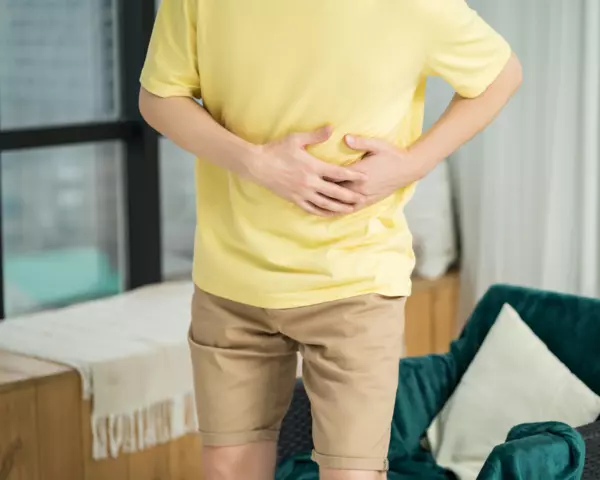
Typical symptoms of many liver diseases are fatigue, jaundice, upper abdominal pain and nausea. In advanced disease, the liver may no longer be able to perform its vital functions, which can lead to life-threatening conditions.
What are elevated liver values?
Elevated liver values indicate a disturbance or damage to the liver. The liver contains enzymes that are normally present in only small amounts in the blood. When liver cells are damaged, these enzymes leak into the blood in larger quantities, an effect referred to as „elevated liver values". These include enzymes such as ALT, AST and Gamma-GT.
The causes of elevated liver values are diverse. Common triggers include alcohol, medications, viral infections (e.g. hepatitis), high-fat diet or bile duct disorders. In some cases, diseases not directly affecting the liver can also be responsible.
Elevated liver values themselves do not cause symptoms, but the underlying diseases can produce complaints. Typical symptoms are pain in the right upper abdomen, yellowing of the skin and eyes (jaundice), itching, fatigue, confusion and fluid accumulation in the abdominal cavity (ascites).
If only one liver value is slightly elevated, this does not always indicate a major problem. However, if several values change simultaneously or values are markedly elevated, a doctor should be consulted to determine the cause and initiate targeted treatment.
Fatty liver: the result of poor diet?
Fatty liver is often the result of poor nutrition and lack of exercise. A diet high in carbohydrates and fats particularly contributes to fat deposits forming in the liver. As a result, the liver can no longer perform its metabolic functions properly, which can lead to further health problems such as liver inflammation or cirrhosis. Alcohol abuse, certain medications or protein deficiency increase the risk.
In early stages the disease is hardly noticeable, but it can lead to fatigue, concentration problems and disturbed blood sugar regulation. If fatty liver is detected early, it can be treated successfully by dietary change and regular exercise. Reducing carbohydrates, taking breaks between meals and intermittent fasting can relieve the liver and reduce fat deposits.
Does too much alcohol harm the liver?
Too much alcohol can severely damage the liver. As a central detoxification organ, the liver metabolises ethanol, the main component of alcoholic beverages. This produces the harmful intermediate acetaldehyde, which is not only responsible for hangovers but is also considered carcinogenic.
While the liver can process small amounts of alcohol, excessive alcohol consumption impairs cellular functions. In addition, alcohol hinders the absorption of important nutrients such as vitamins and folic acid, which brings additional health risks. The liver breaks down alcohol only slowly: in women about 0.1 per mille per hour, in men between 0.1 and 0.2 per mille per hour.
Excessive alcohol consumption can also lead to fatty liver, an early sign of alcohol-related liver disease. At this stage the liver can already fail to perform its tasks optimally. To protect liver health, women should not consume more than 12 grams and men not more than 24 grams of pure alcohol per day. Also, at least two alcohol-free days per week are recommended.
How to protect your liver: useful tips
- Drink enough water. Our liver, as a detox organ, needs sufficient fluid to help the body cleanse more quickly and effectively. Ideally drink at least two litres of water daily and unsweetened herbal teas.
- Include bitter foods in your diet. Plant foods such as artichokes, chicory, dandelion, sage, radicchio, Brussels sprouts and endive stimulate bile production. These bitter compounds improve tolerance of dietary fats and reduce elevated blood lipid levels.
- Dark chocolate in moderation is also recommended. Studies show it can help with certain complaints caused by cirrhosis, for example increased pressure in the abdominal vessels.
- After heavy meals, apply warm compresses to the liver. Soak a towel in salted water, place it over the liver and cover with a hot-water bottle. Leave the compress for 30 minutes to promote circulation and support detoxification.
- Alcohol damages liver cells and increases the risk of cirrhosis. Reduce your alcohol intake or avoid it altogether to protect your liver health.
- Watch your diet and limit sugary snacks and drinks. Sugar molecules can be converted into fat and promote the development of fatty liver. Reduce sugar intake and avoid toxins to prevent liver damage and protect hepatocytes and other cells.
- Use the benefits of milk thistle. This plant is known for its liver-supporting properties. It can help cleanse the liver and to a certain extent aid regeneration. Include milk thistle in your diet as teas or dietary supplements.
- Maintain a balanced diet rich in whole grains, vegetables and fruit. Eat fish and meat once or twice a week; high-fat foods and processed meats should be consumed in moderation.
- Add citrus fruits to your meal plan. Lemons, oranges and grapefruits are rich in vitamin C, which helps cleanse the liver and promotes fat breakdown. A glass of warm lemon water strengthens the liver and supports cell renewal.
- Use garlic in your dishes. Garlic contains sulfur-containing compounds that support the liver's detoxification processes.
- Eat plenty of green leafy vegetables. Spinach, kale and rocket contain many antioxidants that support the liver in detoxification.
- Walnuts are rich in omega-3 fatty acids and arginine, which can help reduce fat deposits in the liver. A handful of walnuts daily can support liver health.
- Extra virgin olive oil contains healthy fats that can help cleanse and strengthen the liver. Use it as a salad dressing or for cooking.
- Support your gut and duodenum with a fibre-rich diet to avoid bacterial infections that can reach the liver via the portal vein.
- Ensure healthy bile ducts and promote bile flow to prevent stagnation that can burden the liver and kidneys.
- Improve circulation through regular exercise such as jogging, cycling or swimming so that hepatic arteries and blood cells function well and toxins are efficiently transported away.
- Also incorporate relaxation techniques such as yoga or meditation into your daily routine to reduce stress and relieve the liver.
The liver is a vital organ that performs numerous tasks in the body, including detoxification, nutrient storage and support of metabolism. A healthy lifestyle based on a balanced diet and regular physical activity is crucial to promote liver health and prevent liver disease.