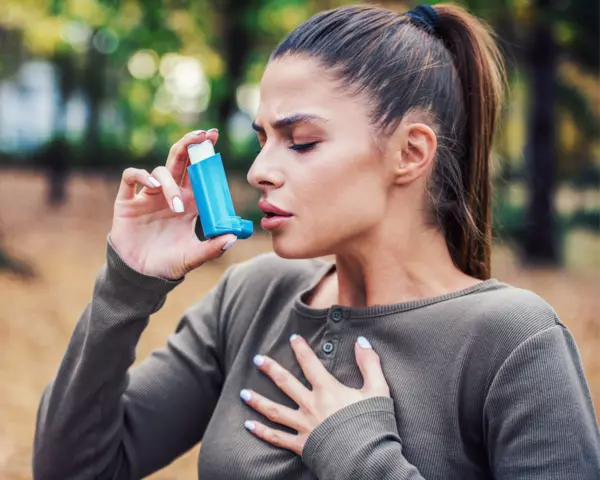

Pneumonia
The hidden enemy in our airways
editorial.overview
What is pneumonia?
Pneumonia, also known as a lung infection, is an inflammatory disease of the lungs that primarily affects the tiny air sacs (alveoli) and the surrounding tissue. It can be acute or chronic and can involve different parts of the lung.
The type of pneumonia often depends on where and in which circumstances it occurs. A community-acquired pneumonia occurs outside the hospital, while a nosocomial (hospital-acquired) pneumonia develops after several days of hospitalisation. Treatment varies according to the causative agent and the course of the illness; in many cases antibiotics are used.
People at particular risk include those with a weakened immune system, older adults and infants, who may experience more severe disease. Although most people recover within a few weeks, full recovery can take longer in older or chronically ill patients.
What are the symptoms of pneumonia?
Symptoms of pneumonia vary with the cause and severity. Typical signs include a sudden feeling of weakness, malaise, chills and high fever — in bacterial infections fever can reach up to 40 °C. Cough, dry or productive, pain on breathing in and shortness of breath are common. Severe oxygen shortage can cause blue discoloration of the lips, tongue or fingers (cyanosis). In children, marked flaring of the nostrils during breathing is a notable sign.
The cough usually starts dry and evolves after a few days into a productive cough with discoloured sputum. Chest pain, especially during coughing and breathing, is common because the pleura may also be inflamed (pleurisy).
An atypical pneumonia shows milder symptoms such as low-grade fever, headache and muscle aches, and a persistent dry cough. Older people may have less typical or different symptoms such as vomiting or altered consciousness, which can complicate diagnosis.
In children, cough, chills and fever are frequent, sometimes accompanied by abdominal pain. Infants may appear lethargic and refuse feeding. “Cold” pneumonia is characterised by little or no fever, back pain, chest tightness, irritating dry cough and shortness of breath, which can make diagnosis more difficult.


Which pathogens cause pneumonia?
The pathogens that cause pneumonia are most often bacteria. A particular bacterium — pneumococci (Streptococcus pneumoniae) — causes about half of all pneumonias. Transmission often occurs via droplets: coughing, sneezing or speaking releases tiny saliva droplets containing the pathogens into the environment. These land either directly on the mucous membranes of other people (e.g. when coughing) or remain airborne and are inhaled by healthy people, who can then also become ill.
Many of the bacteria responsible for pneumonia also live in the mouths of healthy people. If these germs reach the airways in larger numbers, they can cause pneumonia. Sometimes pathogens reach the lungs via the bloodstream from other organs.
In addition to pneumococci, other bacteria such as mycoplasma, Haemophilus influenzae, enterobacteria, legionella and Staphylococcus aureus can cause pneumonia. These agents are particularly relevant in hospitalised patients or people with specific risk factors.
Viruses, especially influenza viruses, can also cause pneumonia, particularly in winter months. A viral pneumonia may be worsened by a secondary bacterial infection (superinfection). Fungal infections are a less common cause of pneumonia and mainly affect people with severely weakened immune systems, for example due to certain illnesses or medications.
Besides infectious causes, there are also non-infectious triggers. These include aspiration pneumonia, which occurs when stomach acid, gastric contents or germs from the mouth and throat enter the lungs, for example in people with swallowing or consciousness disorders.
What are the risk factors for developing pneumonia?
The risk of developing pneumonia is particularly high in young children and in older adults over 65. People with weakened immune systems — for example due to diabetes, kidney disease or cancer — are also at increased risk. Chronic lung diseases such as asthma or COPD, heart disease and smoking further raise the risk. Viral infections, especially influenza, can also increase the likelihood of pneumonia.
People who are bedridden, have dementia or have suffered a stroke and who have swallowing or consciousness disorders are particularly susceptible to aspiration pneumonia. Food residues, gastric contents or germs from the mouth and throat can enter the airways and trigger inflammation.
Certain medications, particularly those that suppress stomach acid production, are also suspected of increasing the risk of pneumonia, although this link is not yet fully clarified.
Pneumonia: outpatient treatment or hospital?
Young, otherwise healthy people can usually be treated for pneumonia at home. The illness typically clears up within two to three weeks. However, there are situations where hospitalisation is necessary or advisable — for example when large parts of the lung are affected or when severe symptoms occur.
Elderly patients or those with immunodeficiency or poor general condition often require inpatient treatment. Other reasons for hospital treatment include complications such as sepsis, pleurisy or pleural effusion, as well as unstable comorbidities that require additional medical monitoring. Hospitalisation may also be needed if social factors, such as lack of support at home, make outpatient care difficult.
Diagnosis: how does the doctor detect pneumonia?
The diagnosis of pneumonia starts with taking a history and performing a physical examination. The doctor listens to the lungs with a stethoscope and palpates the chest. Pulse, blood pressure and sometimes oxygen saturation are also measured.
To confirm the diagnosis, a chest X-ray is usually performed to show which areas are affected. Alternatively, a computed tomography scan or an ultrasound examination can be carried out. A blood test can assess inflammatory markers and the exact pathogen is identified by laboratory tests on blood, urine and expectorated sputum.
What you can do yourself against pneumonia: effective tips
- Allow yourself enough bed rest. Rest so that your body has the energy needed to fight the infection. Avoid physical exertion to support your recovery.
- Drink plenty of water and herbal teas to replace fluids lost through fever and sweating. This helps to loosen mucus and clear the airways.
- Prefer herbal teas like chamomile or thyme, which have anti-inflammatory and expectorant properties.
- Inhale warm, moist air or saline solution to moisten the airways and loosen mucus. This can relieve cough and sore throat.
- Do not smoke and avoid passive smoking, as tobacco smoke further irritates the airways and can delay healing. Use the opportunity to quit smoking.
- Eat healthy, nutrient-rich foods to strengthen your immune system. A balanced diet can support your recovery.
- If antibiotics are prescribed, take them as directed by your doctor. Do not stop treatment prematurely and follow the dosage instructions.
- Hang damp cloths over radiators to increase humidity. This can protect the mucous membranes of the airways and improve comfort.
- Reduce contact with other people to avoid possible transmission of other pathogens and to avoid jeopardising your recovery.
- Avoid direct drafts, as these can further stress the airways and delay the healing process.
- If you belong to a risk group, you can protect your lung tissue from fungi that may cause pneumonia by regularly checking your environment for moisture and avoiding contact with mouldy materials.
- If symptoms do not improve within two to three days or worsen, see a doctor immediately. Timely medical intervention can prevent serious complications.
Rapid diagnosis and appropriate medical treatment are decisive for successful management of pneumonia. Early recognition of symptoms and targeted therapy can prevent serious complications. Pay attention to warning signs and consult a doctor promptly if needed.