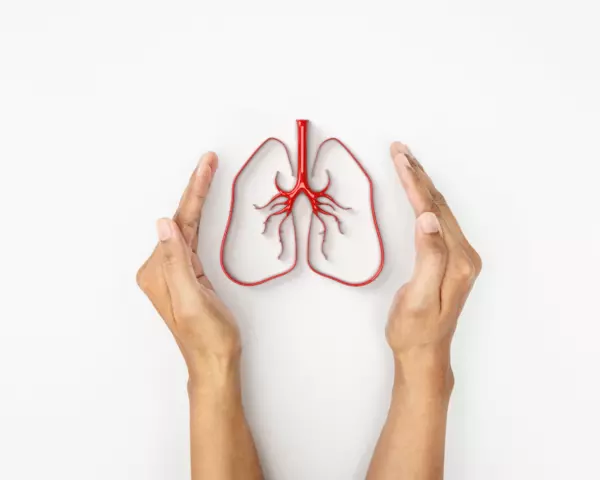

Asthma
How to breathe freely
What is asthma?
Asthma is a chronic inflammation of the lungs associated with increased sensitivity of the airways to various triggers, known as bronchial hyperreactivity. This leads to episodic narrowing of the bronchi and a range of symptoms such as tickly cough, shortness of breath, wheezing, chest tightness and breathlessness.
Asthma attacks are triggered by inflammations that indicate an imbalance in the immune system. Inflammation is usually a sensible response by the body to defend itself against various stimuli — for example potentially harmful substances such as bacteria or toxins. This results in increased blood flow to the affected tissue and the release of various inflammatory mediators. The tissue then swells and reddens and, in many cases, becomes painful.
What causes and triggers asthma attacks? Swelling of the airways in asthma can be brought about by different triggers, whether internal or external. Which triggers apply varies from person to person. For many people with asthma, contact with certain substances, so‑called allergens, provokes attacks.
Some people have an asthma attack when inhaling animal hair, dust or smoke; in others it is drug intolerances, infections or psychological stress. What all triggers have in common, however, is an overreaction of the immune system. Different types of asthma are distinguished: bronchial asthma, infection‑related asthma, exercise‑induced asthma and allergic asthma.
What types of asthma are there?
So‑called exercise‑induced asthma causes coughing, shortness of breath or even asthma attacks during physical exertion. This form is particularly common in children and competitive athletes. Respiratory problems can occur immediately after exertion, but also with a delay of up to ten minutes. Some patients with exercise‑induced asthma also have concomitant allergic asthma.
Allergic asthma, also called exogenous asthma, often appears in childhood or adolescence and can develop from an allergy. A trigger of an asthma attack is an allergic reaction to external stimuli to which people without asthma would not normally react. For people with asthma, these substances are perceived as dangerous. To fend off the potential threat, a strong inflammatory reaction occurs in the lower bronchi. This leads to sudden breathlessness, shortness of breath, severe coughing, wheezing, difficulty exhaling, as well as restlessness and agitation.
Infection‑related asthma is the result of a viral infection and occurs especially in infants and young children. Over time, asthma in young children can improve. This form of asthma is characterised by the occurrence of asthma symptoms during or after respiratory infections. Since children's airways are still sensitive and can constrict during bronchitis, these symptoms often occur with a cold. The result is swollen bronchi and secretion of mucus, which can impair breathing and lead to the development of bronchial asthma symptoms.
What are the typical symptoms of an asthma attack?
The three typical symptoms of an asthma attack are medically referred to as the asthma triad. These are bronchospasm (spasmodic narrowing of the lower airways), oedema and mucosal swelling, and excessive secretion.
An acute asthma attack can last for an extended period and may lead to serious complications. In medical terminology this is called status asthmaticus. Such an attack is experienced by patients as very threatening and the anxiety associated with it can intensify the symptoms. Status asthmaticus is a medical emergency requiring intensive care treatment.
Asthma symptoms can vary in both intensity and frequency. There are times with no symptoms, while at other times they may be stronger or weaker. A sudden onset of severe breathing difficulties is referred to as an asthma attack, which can become an emergency.

When should you seek medical help?
Asthma symptoms can vary in both intensity and frequency. There are times with no symptoms, while at other times they may be stronger or weaker. A sudden onset of severe breathing difficulties is referred to as an asthma attack, which can become an emergency.
Asthma cannot be cured. The aim of treatment is to control the disease with as few medications as possible so that no symptoms occur (“controlled asthma”). If this is not achieved, it is called “partly controlled asthma” or “uncontrolled asthma”.
How to keep the troublesome symptoms of asthma under control
- A 2014 study of more than 20'000 people with asthma showed that disease severity increases with a low blood vitamin D level. It is recommended to optimise vitamin D status, especially in chronic lung diseases and other long‑term health problems. This includes measuring vitamin D levels by a physician and, if necessary, taking vitamin D supplements based on individual results.
- Additives and preservatives can trigger severe attacks in some people with asthma. Dairy products and gluten‑containing cereals are also triggers for some affected individuals. Try replacing these foods with plant‑based milk alternatives and gluten‑free products for a few weeks or months to see how you feel.
- Typical environmental allergens are not only found in foods. An excessive immune response can also be triggered by moulds, house dust mites, bacteria, dust, chemicals and other pollutants. To spare the immune system and avoid additional burden on the body, such substances should be avoided wherever possible.
- Perfumes, deodorants, cleaning products and many other substances can irritate the lungs. The danger is inhaling the spray mist unnoticed. These products can contain chemicals that may damage lung tissue over time. It is therefore recommended to switch to natural cleaning and care products.
- With vinegar water, neutral cleaners and the like you can keep your home clean without breathlessness. Ensure good ventilation and wear gloves and a mask when using aggressive cleaners. Switch from spray deodorants to deodorant creams or roll‑ons.
- For cosmetics and body care it is also important to choose natural products that do not chemically burden the body. The same applies to medications and dietary supplements.
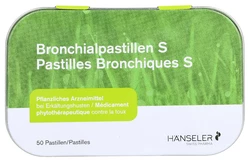
- A skillful combination of different medicinal herbs can strengthen the lungs and airways so that asthma attacks become increasingly rare. There are herbs with anti‑inflammatory, antispasmodic, calming, expectorant and mucolytic effects. Most medicinal herbs are available as teas for drinking; others are offered in tablet form or as tinctures.
- The essential oil from eucalyptus leaves contains cineole, a spasmolytic, expectorant and cough‑suppressing substance. In asthma, cineole is so effective that study participants were able to reduce their corticosteroid dose by over 30 percent when taking cineole capsules.
- Thyme can help with asthma because it relaxes and soothes the bronchial muscles, loosens and liquefies mucus and inhibits inflammation. Thyme is taken as tea, juice, drops or tablets.
- The active substances of ivy leaves have long been used for spasmodic and inflammatory respiratory conditions. Ivy leaves loosen tenacious mucus, promote expectoration and have a calming and antispasmodic effect.
- To treat asthma, European medicinal herbs can be mixed and used. For this you need 40 g ivy leaves, 15 g sea wormwood flowers, 5 g dew herb and 40 g thyme herb. From the herbal mixture, 10 g are boiled in 200 ml of water for two to three minutes without a lid. Afterwards the tea is removed from the heat and strained. It is drunk slowly in small sips.
- Certain foods promote and intensify inflammatory reactions. Inflammation can be promoted, among other things, by the following foods: red meat, sulphites (in wine and dried fruit), tartrazine (dye in some fruit juices), glutamates (flavour enhancers). These should be avoided.
- A protein‑rich diet with plenty of fruits and vegetables and a low glycaemic index is considered effective for asthma in studies. These criteria are for example met by a plant‑focused low‑carb diet.
- In Traditional Chinese Medicine, ginger is used for its airway‑relaxing and anti‑inflammatory effects in asthma and other respiratory conditions. Certain ginger constituents cause rapid relaxation of the respiratory muscles, which can help relieve asthma. Ginger is easy to incorporate into daily life and is particularly tasty in soups, smoothies, ginger shots and milk.
- Asthma and stress are closely linked. If a person with asthma suffers emotional stress, this can trigger an asthma attack or worsen existing complaints. Relaxation exercises are therefore part of natural adjunct therapies. There are many ways to bring more relaxation into daily life: yoga, qi‑gong, tai‑chi, progressive muscle relaxation, autogenic training, meditation, mindfulness exercises.
- Regular physical training has a multitude of positive effects that particularly benefit people with asthma. It is especially important to train to maintain good muscle function. Strong muscles make breathing easier, weak muscles make it harder. Sports with steady exertion such as cycling or swimming are particularly suitable. An emergency inhaler should of course always be at hand.
- People with asthma should ensure their body weight is as close to normal as possible. Overweight places additional strain on the respiratory organs. More effort is required to supply sufficient oxygen. In severe overweight, the respiratory organs are further compressed by fat deposits in the abdominal area and their function is impaired. Regular physical activity is very important for a balanced energy budget. Calorie intake from food and calorie expenditure through physical activity must be in balance.
- But too low a body weight can also cause the respiratory organs to function poorly. Patients with severe asthma are particularly vulnerable. Because they must strain their accessory respiratory muscles more, they consume large amounts of calories. People with asthma should definitely talk to their doctor if they notice unintentional weight loss. In such a case it is important to restore energy balance by consuming more calories.
Regular medical check‑ups are of great importance. Nevertheless, it is equally important for those affected to learn to manage the condition in everyday life. The combination of drug therapy and natural approaches forms an effective team.