Reflux disease
These complaints are very unpleasant
What is reflux disease?
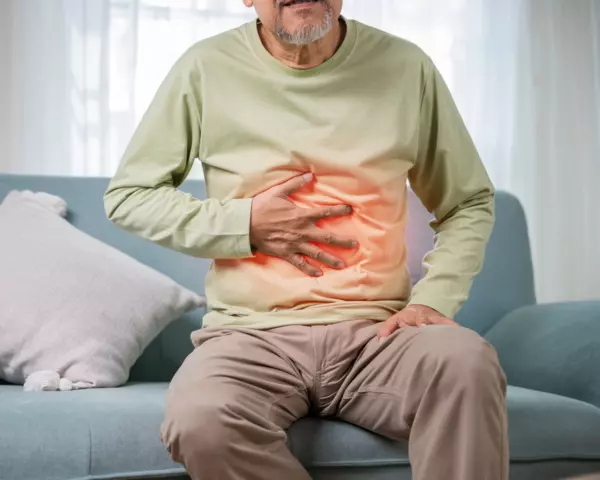
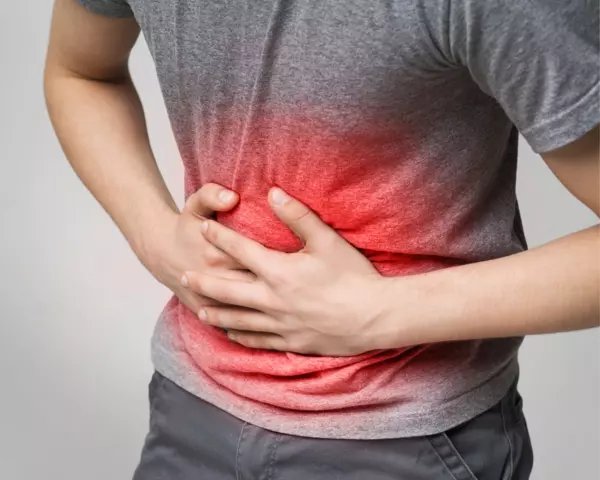
Gastroesophageal reflux disease (GERD) is caused by the backflow (Latin “reflux”) of acidic stomach contents into the oesophagus. It presents with acid regurgitation and heartburn – a burning sensation that can spread from the upper abdomen or behind the breastbone up to the throat. The medical term “gastroesophageal” indicates that both the stomach (“gaster”) and the oesophagus are affected.
Heartburn, acid regurgitation and burning or pain behind the breastbone are typical symptoms of reflux disease. These complaints are not only occasional but can become chronic. Occasional belching after a large meal is normal, but repeated acid regurgitation and heartburn indicate that the disease is present. Constant contact with acidic stomach contents can damage the oesophageal lining and cause distressing symptoms.
How does reflux disease develop?
Reflux disease occurs when the sensitive lining of the oesophagus is repeatedly exposed to excessive acid and does not have enough time to recover. This often happens when pressure in the stomach is increased or when the lower sphincter muscle between the stomach and the oesophagus no longer closes properly or is altered. Stomach acid then enters the oesophagus. Normally this muscle prevents stomach acid from flowing back; it relaxes during swallowing and lets the food pass only towards the stomach. It therefore acts like a valve.
Reflux disease arises from various factors. Overweight and a large waist circumference increase pressure on the stomach and raise the risk of reflux. In late pregnancy, increased pressure on the stomach and hormonal changes can also promote acid regurgitation.
A hiatal hernia can cause the stomach to slip up into the chest cavity. The diaphragm normally separates the chest and abdominal cavities and helps to close the stomach entrance muscle. To maintain these functions, the diaphragm must remain intact.
Disorders of oesophageal motility can prevent refluxed stomach contents from being moved downward quickly enough. A sensitive oesophagus or a lack of neutralising saliva can also play a role.
A weakness of the muscular closure at the stomach entrance can be promoted by certain medications (blood pressure medicines, antidepressants, sleeping pills and tranquillisers, hormonal contraceptives), foods (fatty and sugary foods, chocolate, peppers, spicy seasonings, peppermint), drinks (alcohol and caffeine) and smoking, and thus encourage reflux. The causes are often unclear.
Triggering factors also include conditions that increase stomach acid production or impair gastric emptying, previous surgeries on the oesophagus or stomach, as well as stress, hurry and anger.
The frequency of reflux is influenced by the amount of food consumed. Physical exertion and certain body positions also seem to promote reflux. Heartburn often worsens when lying down or bending forward. People with severe reflux therefore often benefit from an early, rather small evening meal (around 6 pm), allowing the stomach to empty before sleep.
How dangerous is reflux disease?
Symptoms of reflux disease can be mild or severe and occur either frequently (at least twice a week) or only sporadically. Typical symptoms are regurgitation and heartburn. If reflux disease is left untreated, there is a risk of complications. It is not uncommon to experience difficulty swallowing, a feeling of fullness, nausea, retching, hoarseness and tooth pain.
When food in the stomach meets stomach acid and digestive enzymes, gases form. This is a normal process, but it can be particularly pronounced when stomach acid is increased. In patients with a weak lower oesophageal sphincter, gases escape more easily towards the oesophagus than via the longer path through the intestines. As a result, people with reflux symptoms more frequently suffer from acid regurgitation.
In reflux disease the oesophageal lining becomes inflamed more easily due to increased acid contact. Bacteria find a favourable environment on irritated mucosa and food residues adhere more easily. Mucosal irritation is often accompanied by swallowing difficulties (dysphagia). Additional pain is caused by contact of food with the inflamed mucosa. Many patients report a lump-like feeling in the throat or persistent dryness despite adequate fluid intake. In about five out of a hundred affected people, changes develop in the mucosa at the lower end of the oesophagus known as Barrett's oesophagus, which increase the risk of oesophageal cancer.
The ascent of stomach acid into the mouth can in some cases also lead to tooth damage and toothache. Tooth enamel protects the teeth from external influences and is usually the hardest and most resistant substance in the body. With reflux, enamel can be attacked, which is usually first visible at the necks of the teeth.
If stomach acid enters the airways, for example the trachea, it can cause irritative cough or hoarseness. A chronic irritative cough at night is particularly common. Ascending stomach acid may damage the larynx, causing laryngitis with hoarseness.
How is reflux disease treated?
Long-term or quality-of-life-limiting reflux complaints should be medically evaluated, especially in the presence of swallowing difficulties, unintended weight loss, bloody vomiting or blackened stools. Treatment of reflux disease depends on the frequency and intensity of symptoms as well as on signs of possible complications such as erosive oesophagitis or Barrett's oesophagus.
In mild cases, lifestyle and dietary adjustments are often sufficient, supported by anti-reflux medications if needed. For more severe symptoms or complications, doctors prescribe stronger medications at higher doses to relieve symptoms quickly. Later the dose is gradually reduced as symptoms improve.
Which medication helps with reflux disease?
Various classes of drugs are used to treat reflux. Antacids can temporarily relieve heartburn by neutralising stomach pH, but are rarely used to treat the cause. Alginates form a protective layer in the stomach and can slow the backflow of stomach contents. They are often used in combination with other medications.
H2 receptor antagonists block the action of histamine in the stomach and reduce stomach acid production. They act longer than antacids or alginates. Proton pump inhibitors inhibit an enzyme responsible for acid production and are the most effective treatment option for severe symptoms.
What should you eat with reflux disease?
Changing your diet can help, but there are no universal recommendations. Affected people must find out individually which foods relieve their symptoms.
Certain foods can irritate the mucosa and increase acid production, such as coffee, fatty or sweet foods, alcohol, caffeine and nicotine. Alcohol also inhibits the lower oesophageal sphincter and promotes progression of reflux disease.
Other foods can bind excess stomach acid and relieve acute heartburn. These include oats, almonds, potatoes, bananas and wholegrain bread. Protein-rich foods are often well tolerated because they increase the muscle tone of the oesophageal sphincter and may reduce acid production.
What can I do myself to relieve or prevent reflux?
- Although many remedies for reflux are available over the counter, you should first have a medical assessment to determine the type of reflux. In consultation with a physician, an appropriate treatment plan should be selected that is effective and has as few side effects as possible.
- If you are overweight, try to lose weight. Often a few kilos less make a big difference.
- Raising the head of the bed can help relieve nighttime heartburn, coughing and hoarseness. This can be done by placing a wedge under the mattress or raising the bed frame. Simple elevation with pillows is often not enough. Many patients also find relief by sleeping on their left side.
- Avoid tobacco and alcohol. Both reduce the pressure of the sphincter at the stomach entrance. Smoking also decreases saliva production. Be mindful of how much alcohol you consume. Do not drink excessively and take regular alcohol-free breaks.
- Avoid reflux triggers such as carbonated drinks, peppermint, chocolate, and spicy or fatty foods.
- Whether coffee influences reflux is debated. Caffeine stimulates stomach acid production, which can further irritate the mucosa. On the other hand, caffeine increases gastrin production, which can improve sphincter closure. It is advisable to test how much coffee you tolerate.
- In addition to choosing suitable foods, portion size is important. Small, carbohydrate- and fat-light portions are recommended. Large meals can lead to a feeling of fullness and worsen reflux. It is advisable to eat several smaller meals rather than large ones or multi-course menus.
- Avoid eating in the last two to three hours before going to bed. If necessary, have only small portions of easily digestible foods before sleep.
- Avoid tight clothing, especially around the abdomen. Tight garments can increase pressure on the stomach and make it easier for stomach contents to enter the oesophagus.
- Perform diaphragmatic breathing exercises. These can also help relieve symptoms by training the diaphragm. Targeted relaxation of the diaphragm can provide relief in some cases. An overly tense diaphragm can exert additional pressure on the oesophagus and the stomach sphincter.
- Chew gum to stimulate saliva production. Chewing gum has proven effective in preventing heartburn, although it may be unhealthy in other respects. The produced saliva neutralises stomach acid and protects the oesophagus.
- Chamomile tea is a home remedy for reflux. It has anti-inflammatory properties and may reduce stomach acid production. Some naturopathically inclined practitioners recommend a chamomile "rolling" routine: the person alternately drinks chamomile tea and lies down for five minutes on their back, left side, abdomen and right side. The treatment lasts about 20 minutes so the tea can sufficiently moisten the stomach wall.
- Adequate sleep, autogenic training and other relaxation techniques can help reduce stress and tension, thereby lowering the risk of reflux.
From choosing the right foods to using home remedies and targeted stress management and relaxation techniques — there are many ways to prevent reflux. It is up to us to take active steps against reflux to improve our health and quality of life.