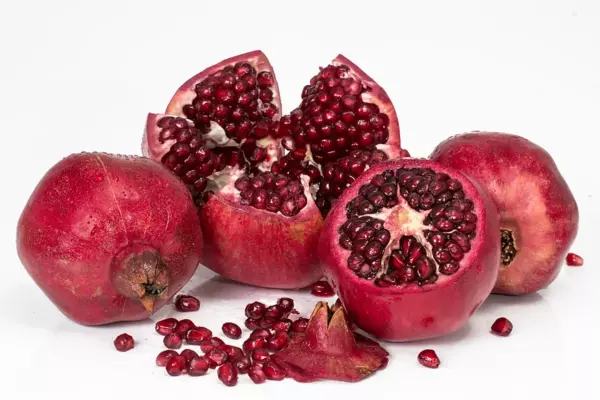

Rose hip
A magical rose with powerful healing effects
What makes rose hip so healthy?
Rose hip is the wild fruit of various rose species, with a fruity, mildly tart-bitter aroma. It is highly valued for its valuable constituents.
Chief among them are ascorbic acid (vitamin C), malic acid, anthocyanins, carotenoids, pectin, tannins, provitamin A, vitamins B1, B2, K and E, zinc, copper, sodium, phosphorus, iron, calcium and magnesium, galactolipids, silicic acid and fatty oil.
The vitamin C content in rose hips is even higher than in lemons. Rose hips provide 1250 mg of vitamin C per 100 g of fresh fruit and 400 mg per 100 g of rose hip powder. Vitamin C not only strengthens the immune system but is also important for collagen formation, improves the utilisation of iron and other minerals and has a positive effect on blood flow and blood vessels.
How does rose hip act on digestive problems?
The abundance of active substances makes rose hip a good recuperative remedy: it supports our body and helps it to recover after illness.
The carotenoid lycopene is known for its anti-cancer activity and prevents cellular damage. Pectin acts mildly laxative and detoxifying, promotes digestion, positively affects the cholesterol level, increases the volume of intestinal contents and can be helpful for both diarrhoea and constipation as well as other digestive complaints. Pectin also binds a lot of water and soothes irritated gastric mucosa.
What role does rose hip play in joint diseases like osteoarthritis?
In osteoarthritis, rheumatic complaints, gout and back pain, specially processed rose hip powder is used successfully. Its effect is due to galactolipids – compounds of sugars and fatty acids that give it anti-inflammatory and pain-relieving properties.
Galactolipids have a positive effect on the function of leukocytes, which can cause inflammation and tissue damage in osteoarthritis and other joint diseases.
According to studies, daily intake of rose hip capsules reduces the need for painkillers in patients with joint pain. However, it should be noted that the effect of galactolipids is destroyed by heat.
How is rose hip oil used in skin care?
Fatty oil from rose hip seeds is perfect for skin care: it removes dead skin cells, regenerates cells and reduces enlarged pores.
The oil is particularly good for cracked, dry, scaly skin: the trans-retinoic acid it contains promotes collagen formation and the self-regeneration of the skin. In addition, it regulates the function of the sebaceous glands and enables the skin to retain more moisture.
Power from nature: how to use rose hip for health and beauty
- In shops you can find tea, the pulp of the rose hip, juice, jam and liqueur made from rose hips. Rose hips can also be eaten raw after removing the small seeds. These seeds can cause severe itching, so it is advisable to wear disposable gloves when deseeding.
- For an immune-supporting rose hip tea, pour 2 teaspoons of dried rose hip shells over 250 ml of hot water and let the drink steep for 10 minutes. The tea should be consumed over a longer period.
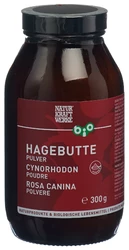
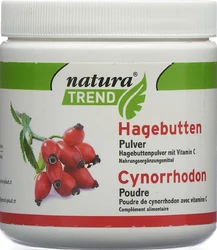
- Rose hip powder is ideal for muesli, smoothies, yoghurt and spreads. Let the powder soak into the dish for ten minutes before consumption – this makes it easier to digest. It is recommended to take at least two slightly heaped teaspoons of rose hip powder daily for four to eight weeks. This has a positive effect on cholesterol levels and may reduce the risk of heart disease.
- For digestive problems dissolve one teaspoon of rose hip powder in a large glass of water and drink a glass twice daily to promote digestion.
- Rose hip shells in capsules are practical. Note that they should be taken with plenty of water, otherwise they may have negative effects on digestion.
- You can make a nutrient-rich rose hip vinegar yourself. You need 100–300 g ripe rose hips and 500 ml apple or wine vinegar. Halve the fruits, cover them with vinegar so that they are all submerged and let the mixture steep in a closed jar in a dark place for four weeks. Shake the jar from time to time. This rose hip vinegar gives salad dressings a fruity note and can be used in many recipes where vinegar is required.
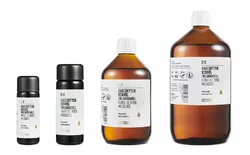
- Rose hip oil can be applied externally for eczema, dermatitis, burns, age spots and freckles. Simply rub the affected areas regularly with the oil. The oil is well suited to dry skin areas, relieves itching, can smooth small wrinkles and even reduce visible stretch marks.
- For kidney stones you can prepare a special rose hip tea. For 500 ml of boiling water you need 1 tablespoon of dried rose hips, 2 tablespoons of honey and the juice of a quarter lemon. Let the rose hips steep in the water for 10 minutes and then add the rest. Drink one cup of tea three times daily before meals. Consult your doctor before use.
- Note that rose hips can interact with medications. This applies in particular to oestrogens and warfarin.
Rose hips bring many health benefits. Try the health-promoting potential of rose hip for yourself!