
Sea buckthorn
Powerful little boosters for your health
What is sea buckthorn?
Sea buckthorn (Hippophae rhamnoides) is a shrub from the Elaeagnaceae family, originally native to Asia but now also widespread in various regions of Europe. It prefers dry, sandy or rocky soils and is often found in coastal areas or on slopes. It is characterised by long, sharp thorns and bright orange fruits that are technically drupes rather than berries.
Sea buckthorn is also known as fasanberry, haffdorn or seedorn and is particularly valued for its versatile uses. Besides its role in food production, it is used in herbal medicine and the cosmetics industry.
The fruits contain a high amount of vitamin C, though the level can vary greatly depending on variety and location. Sea buckthorn also provides a range of vitamins including beta-carotene, various B vitamins and vitamin E. In addition, the fruits and seeds contain valuable minerals such as calcium, magnesium and zinc, as well as phytochemicals and unsaturated fatty acids.
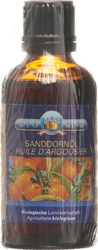
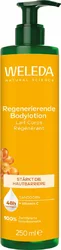
What does sea buckthorn look like?
Sea buckthorn is a deciduous shrub notable for its irregular, often sparse growth. It can reach up to five metres in height and spread many times wider. Because of its sprawling habit it needs plenty of space and thrives best in a sunny position without shading from other trees.
Its leaves are narrow, elongated and silvery-grey, giving it a distinctive appearance. The plant is dioecious, i.e. there are male and female plants, and only the female shrubs produce the characteristic orange fruits. The flowering period runs from March to May and the inconspicuous flowers are wind-pollinated.
The root system of sea buckthorn is particularly extensive. Roots can reach up to three metres deep and spread laterally up to twelve metres. This enables the plant to anchor itself even in nutrient-poor soils. Because of this trait, sea buckthorn is often used to stabilise dunes, slopes and embankments.
What health benefits does sea buckthorn offer?
Sea buckthorn is known for numerous health-promoting properties. It contains a variety of valuable constituents that support the immune system, have anti-inflammatory effects and protect the body from oxidative stress. Particularly noteworthy is the high vitamin C content, which not only helps prevent colds but also supports cellular health. Through its antioxidant action, sea buckthorn helps neutralise free radicals and thus slow ageing processes.
The plant helps regulate stomach acid production and can relieve heartburn. It also supports digestion by binding intestinal toxins and protecting mucous membranes. Sea buckthorn has a positive effect on the cardiovascular system: it helps keep blood vessels elastic, lowers harmful blood lipids and helps prevent atherosclerosis. It is also said to strengthen the heart muscle.
The anti-inflammatory properties of sea buckthorn are particularly helpful for mucous membrane irritations, whether in the gastrointestinal tract or with gum problems. People with dry eyes may also benefit from sea buckthorn as it stimulates tear production and stabilises the tear film. In traditional medicine, sea buckthorn is used to support tissue regeneration, making it valuable for conditions such as exhaustion or burnout.
Its versatile nutrient profile also makes it a suitable remedy for vitamin deficiency, especially for people with increased needs such as pregnant women or smokers. By helping regulate metabolism, sea buckthorn may also contribute to maintaining body weight and reducing the risk of diabetes. The liver and pancreas also benefit from its bioactive substances, which support organ function.
In addition, sea buckthorn contains valuable fatty acids such as omega-3, omega-6 and omega-7, which not only protect the skin but also have anti-inflammatory effects and may improve insulin sensitivity. These fatty acids help reduce the risk of cardiovascular disease and regulate fat metabolism.
Can you eat sea buckthorn raw?
Yes, sea buckthorn can be eaten raw. However, the berries have a very intense, tart flavour that is not to everyone’s taste. For this reason they are rarely eaten straight from the bush. If you do want to try them, be sure to wash the berries thoroughly before eating to remove dirt and dust.
When is sea buckthorn ripe?
The ripening period of sea buckthorn is crucial for a good harvest and varies by variety, location and weather. Generally the harvest season starts in September and runs through to the end of October. Some varieties, such as “Frugana”, are already ripe by mid-August, while others, such as “Hergo”, reach full ripeness only in early September. Factors like sunlight, temperature and rainfall influence ripening speed, with warmer weather and more sun leading to earlier harvests.
A reliable indicator of ripeness is the colour of the berries, which changes from greenish to an intense golden-yellow or orange. Ripe berries should be firm but soft enough to detach easily from the twig. Another test is tasting the berries: a tart, fruity flavour is a good sign of ripeness. Sea buckthorn berries left on the bush too long can develop a rancid taste or ferment, making them inedible.
To determine the ideal harvest time, watch for birds that may feed on the berries early. Depending on variety and ripeness, different harvesting methods such as shaking or stripping the branches can be helpful. Protection like gloves and long-sleeved clothing is advisable, as the plant's thorns can be painful.
Versatile uses for sea buckthorn: practical tips
- You can enjoy sea buckthorn as juice, puree, tea, jam, jelly, syrup or oil.
- Fresh and dried sea buckthorn berries as well as the juice strengthen your immune system against colds. Take 1 to 3 tablespoons of pure sea buckthorn juice throughout the day to prevent colds or at the first signs of an infection.
- A splash of sea buckthorn fruit juice gives mineral water, fruit juices or tea a refreshingly fruity note. It pairs particularly well with mild juices such as mango, banana or guava.
- Enjoy sea buckthorn juice with milk, soy milk or other plant-based alternatives. The fruity acidity forms an interesting contrast to the mild creaminess and provides a special taste experience.
- Sweeten sea buckthorn drinks naturally with honey, agave syrup, date syrup or elderflower syrup. These ingredients highlight the sea buckthorn aroma without overpowering it.
- Use sea buckthorn fruit juice to flavour sauces, curries or dips. Its tart-fruity aroma gives savoury dishes a special freshness and makes them more refined in taste.
- Make a vitamin-rich salad dressing from sea buckthorn juice: mix three tablespoons of juice with three tablespoons of olive oil, one tablespoon of honey, some grated ginger, salt and pepper and shake vigorously in a screw-top jar.
- Sea buckthorn tea is a good source of vitamin C in cold seasons. Briefly boil 2 tbsp fresh or 2 tsp dried sea buckthorn berries with 250 ml water and then steep for 8 minutes. Sweeten the tea with 1 tsp honey if desired. You can also mix 1 tsp sea buckthorn juice instead of sugar into a cup of cold-relief tea.
- To support the immune defences, stir whole sea buckthorn fruit into yoghurt, muesli or quark. You can combine sea buckthorn with rosehip, ginger, coltsfoot, thyme or sage.
- Dry the sea buckthorn berries to preserve them. Let the washed berries dry in a dehydrator, in the oven or in the air until they are wrinkled. This preserves the valuable nutrients for a long time.
- Make tart candies from sea buckthorn juice: cook 150 g sugar, 20 g honey and 50 ml sea buckthorn juice to 150 °C, pour the mixture into small silicone moulds and let cool. Then roll the candies in icing sugar so they do not stick together.
- You can make a simple purée from sea buckthorn berries by sieving the raw berries and mixing with honey and a pinch of vanilla sugar. This purée works as a base for desserts or can be frozen for storage.
- For heartburn, gastritis and stomach ulcers, sea buckthorn oil is soothing as it forms a protective film over the mucous membranes. Use 20 drops 1–3 times daily.
- Choose organic mother juice or first-press juice — a high-quality direct juice from the first pressing that contains no colourants or preservatives, no synthetic vitamin additives and is sugar-free.
- To support wound healing and skin regeneration, apply a few drops of pure sea buckthorn oil to injured or inflamed skin.
- For chronic skin conditions such as psoriasis or atopic dermatitis, apply about 3 drops of sea buckthorn oil 2–3 times daily undiluted to the skin and massage in gently. You can optimise the healing effect by blending with St John's wort oil (use 80 percent sea buckthorn kernel oil and 20 percent St John's wort oil).
- For injuries and minor burns, put 40–50 drops of oil on a compress and fix the oil dressing for 8–10 hours (not as first aid, but later to support skin regeneration).
- In the garden, plant sea buckthorn in a well-draining soil and prune thorny shoots over the years to control strong suckering and spines and to promote a healthy shrub. Sea buckthorn fruits from the home garden can be used to make jam.
Sea buckthorn is a true superfruit whose rich nutrients such as vitamin C and essential fatty acids promote wellbeing. Whether in nutrition or skin care, sea buckthorn offers many benefits for health and beauty.