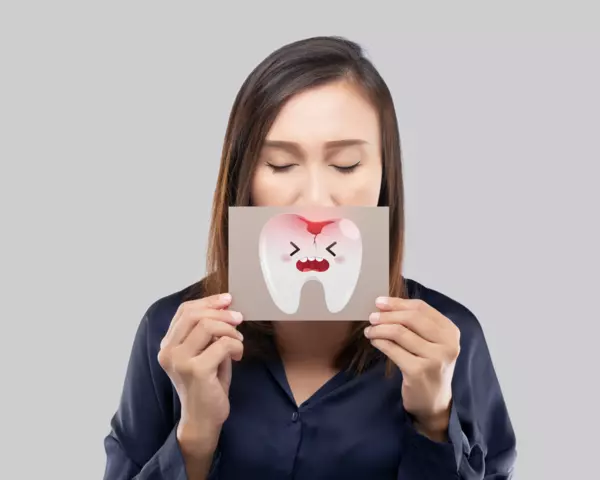
Sensitive Teeth
The pain that comes from the cold
editorial.overview
What causes sensitive teeth?
Sensitive teeth can strongly affect everyday life – especially when something as harmless as a glass of cold water or a spoonful of ice cream triggers tooth pain. There is often more behind these unpleasant sensations than first meets the eye.
One of the most common causes is tooth decay (caries). When bacteria attack the enamel, small holes form that expose the sensitive inner part of the tooth. Equally problematic are chipped or cracked teeth. Even fine cracks can allow external stimuli to reach the tooth's interior and cause pain.
Worn fillings also play a role. Over time they lose their protective function – small gaps can form through which cold, heat or sweets reach the tooth. Gum inflammation is another common trigger. When the gum recedes, the tooth neck becomes exposed and reacts sensitively to stimuli.
A frequently overlooked factor is the tooth enamel. This natural protection can be worn away by brushing too hard, using stiff toothbrushes or frequent teeth grinding. Once damaged, eating and drinking can cause pain more quickly. A recession of the gums – due to age, predisposition or poor oral hygiene – can also expose sensitive tooth roots.
Last but not least, everyday habits have an influence. Frequent consumption of acidic foods or drinks, brushing the teeth with too much pressure or grinding the teeth at night can worsen or even cause the symptoms.

How do sensitive teeth cause pain?
The cause lies deep inside the tooth: in the so-called dentin, also called dentine. It lies under the enamel and is penetrated by tiny fluid-filled channels, the dentinal tubules. In a healthy tooth the hard enamel protects the dentin and the gums also help protect sensitive areas. However, if the enamel is damaged or the gum has receded, the dentin is exposed – and with it the pathway to the sensitive nerve fibres inside the tooth, the pulp.
As soon as hot or cold drinks, sweet or acidic foods touch the tooth, thermal or chemical impulses travel through the dentinal tubules directly to the pulp. There are fine nerve fibres that immediately raise the alarm and transmit the signal as pain to our brain. A short but intense pain impulse occurs, which can be particularly unpleasant.
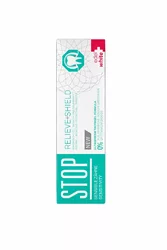
What does a toothpaste for sensitive teeth do?
The cause of the pain is usually that the enamel – the outer protective layer – is damaged or too thin. Gum recession can also expose sensitive areas, particularly the dentin with its tiny tubules. These tubules transmit stimuli such as heat, cold or acid directly to the nerves inside the tooth. This is exactly where a toothpaste for sensitive teeth works.
Modern toothpastes contain special ingredients such as potassium nitrate. This active ingredient calms the dental nerves by blocking impulse transmission. That means stimuli do not even reach the painful spot. It does require some patience – noticeable improvements usually appear only after two to four weeks of regular use – but for many people the effect is a real relief.
Another important ingredient is fluoride. It helps to remineralise the enamel and make it more resistant. Especially with early caries or fine surface damage, fluoride can prevent the situation from worsening. In particularly stubborn cases, a toothpaste with a higher fluoride content may be recommended or prescribed by the dentist.
Can excessive tooth brushing cause sensitive teeth?
Regular brushing is undoubtedly important – but if you overdo it, you risk exactly the opposite of what you want: healthy teeth. Because too vigorous or too frequent brushing can make teeth more sensitive instead of protecting them.
With excessive brushing, the enamel suffers above all, i.e. the outer protective layer of the tooth. If it is worn away by too much pressure or a hard toothbrush, the underlying dentin becomes exposed. This dentin is crossed by tiny channels that lead directly to the nerves inside the tooth. Then even small stimuli such as a cold drink or sweet foods are enough to trigger a sharp pain.
The gums do not escape heavy brushing either. They can gradually recede and expose the sensitive tooth necks.
Brushing with a soft toothbrush, gentle pressure and a toothpaste suitable for sensitive teeth protects your teeth effectively – without overloading them. Brushing thoroughly but gently twice a day is the ideal way to healthy, pain-free teeth.
When should I see a dentist for sensitive teeth?
Sensitive teeth should not be taken lightly, because often there is more behind them than a temporary irritation.
If the pain persists or occurs regularly, visiting the dentist is not optional but necessary. In some cases a serious dental disease such as caries, periodontitis or even small fractures can be the cause. If not treated in time, further damage can occur and in the worst case tooth loss may result.
You should be particularly alert if you also notice bleeding gums, the gum receding or loose individual teeth. Fine cracks in the enamel or visible chipping are also warning signs.
Even if you are unsure, a check-up is worthwhile. The dentist can determine exactly what is behind the sensitivity – and together with you initiate the right treatment. This protects your teeth in the long term and prevents more serious problems in time.
Sensitive teeth: which foods should you avoid?
While sugar is already known as an enemy of dental health, the influence of acids is often underestimated. Acidic foods and drinks – such as citrus fruits, fruit juices, soft drinks, but also vinegar or sour sweets – attack the enamel directly. They gradually leach calcium from the tooth surface. This process is called erosion and, in the long term, leads to the protective enamel layer becoming thinner and thinner. The underlying, sensitive dentine layer becomes exposed – stimuli such as heat, cold or sweet foods reach the nerves unhindered.
But sugar also remains a serious opponent. In the mouth it is converted by germs into acids that also attack the tooth substance. If sugar residues remain in fissures or interdental spaces, they create an ideal breeding ground for bacteria. The result is not only sensitive teeth but also an increased risk of caries.
Sensitive teeth: how to protect and care for them properly
- Pay attention to the correct brushing technique. Avoid vigorous scrubbing when brushing. Too much pressure damages the enamel and can expose sensitive tooth necks. Gentle, circular movements with a soft toothbrush are a better choice.
- Choose a suitable toothpaste. Use a toothpaste specifically developed for sensitive teeth. It contains agents such as potassium nitrate or hydroxyapatite, which block the nerve channels and thus reduce sensitivity. Pay attention to a low RDA value (below 70) to protect the enamel.
- Avoid aggressive dental care products. Toothpastes with highly abrasive substances – especially whitening toothpastes – remove the protective enamel layer. In the long term this leads to increased pain sensitivity. Opt for gentle alternatives labelled "sensitive".
- Reduce consumption of acidic foods and drinks. Foods such as citrus fruits, soft drinks or white wine soften the enamel. Drink a glass of water after consumption to neutralise the acid. Avoid brushing your teeth immediately afterwards – wait at least 30 minutes.
- Protect your teeth from night-time grinding. Teeth grinding (bruxism) causes small cracks and wear of the enamel. Have a bite guard fitted by your dentist to protect your teeth at night. In addition, relaxation exercises can help address the cause of grinding.
- Rely on fluoride-containing dental care. Fluoride strengthens the enamel and protects it from attacks by germs and acids. In addition to toothpastes, there are fluoride gels and mouthwashes you can use weekly. Your dentist can advise you on suitable products.
- Replace your toothbrush regularly. Your toothbrush should be replaced every two to three months. Worn bristles no longer clean thoroughly and can spread bacteria. A timely replacement protects your teeth and gums.
- Avoid frequent snacking between meals. Each meal – especially sweet or acidic snacks – triggers an acid attack on the enamel. If you snack frequently, saliva has no time to remineralise the enamel. Therefore keep longer intervals between meals.
- Use interdental brushes or dental floss. Regular toothbrushes often do not reach interdental spaces. There germs can multiply undisturbed and cause inflammation and enamel loss. Interdental brushes or dental floss help prevent this effectively.
- Choose tooth-friendly foods. Cheese, yoghurt and almonds are rich in calcium and help remineralise enamel. Fibre-rich foods like carrots or apples also stimulate saliva production. This naturally cleans the oral cavity.
- Watch for early warning signs. Sensitive teeth can indicate serious problems such as caries or gum disease. If you notice symptoms like bleeding gums, gum recession or bad breath, do not hesitate to make a dental appointment.
- Use natural remedies with care. Clove oil has pain-relieving properties and can be applied locally to sensitive areas. Chamomile or sage tea used as a mouth rinse also have a soothing effect. These home remedies do not replace professional treatment but can be supportive.
- Have sensitive areas sealed. The dentist can seal exposed tooth necks with a fluoride varnish or a thin plastic layer. This blocks the transmission of pain stimuli. These sealings often last several months and provide noticeable relief.
Sensitive teeth can greatly impair everyday life, but with proper care this problem can be well managed. The use of special toothpastes and a gentle brushing technique are particularly important. Those who pay attention early to the signals from their body can avoid long-term tooth damage and significantly improve their well‑being.