Silica
Beautiful from silicon
What is silica (Kieselerde)?
Silica, often called diatomaceous earth (Kieselerde), refers to deposits from fossil diatoms that are largely composed of silicic acid. This is a compound of water and silicon. It is to this trace element that the diatoms owe their name: “Kiesel” means “silex” in Latin.
Silicon is present in all organs that contain at least a small amount of connective tissue and is a component of nearly every cell. Our body cannot produce it on its own. In addition, the body's own reserves of this important trace element decline with age – which is especially noticeable in signs of ageing such as reduced skin and connective tissue firmness as well as brittle hair and nails. Adequate silicon intake can help to mitigate these effects.
How does silica strengthen bones and connective tissue?
Silicon promotes the production of elastin and collagen in connective tissue fibres. These proteins are responsible for stabilising bones, teeth, cartilage, tendons and connective tissue and for maintaining their important functions, which is particularly significant in older age.
Calcium is essential for the formation and growth of bone tissue. Silicon helps the body to absorb and utilise this mineral from the diet. Studies show that regular intake of silica can contribute to the prevention of osteoporosis by increasing bone density. Silicic acid is also used successfully for developmental disorders of children's teeth.
Can silica help with sports injuries and muscle soreness?
Silica can not only increase tissue resilience, but also its elasticity. It is no coincidence that silicon is present in muscles, elastic membranes and glands. Athletes can therefore benefit from taking silica: it can help prevent muscle soreness and make ligaments, tendons and muscles less prone to sports injuries such as strains.
As a pleasant bonus, silica has a positive effect on hair, skin and nail structure: it provides firmness and stretchability at the same time, increases hair thickness and strengthens hair and nails from the inside.
What detoxifying and nerve‑strengthening effects does silica have?
Among the other positive effects of silica is its ability to bind toxins. In the case of embedded foreign bodies and boils it acts in an expulsive way. Silica activates the lymphatic system and the spleen, so more defence cells are produced and healing processes are accelerated, which is helpful in delayed wound healing and susceptibility to colds.
Adequate silica supply improves nerve conductivity, which in turn positively influences the transmission of nerve signals. A study on Alzheimer’s patients suggests that silicon may improve cognitive performance. It is also suspected that silicon reduces the effect of aluminium in the brain and thus the risk of Alzheimer’s.
Silicon power from nature: tips for daily silica intake
- The daily requirement for silica is 5 to 10 g and is met by a healthy, balanced diet. Be aware that industrially processed products contain significantly less silica.
- Good sources of silica include barley, oats, millet, potatoes, peppers, spinach, bamboo shoots, root vegetables and leafy greens. Animal products like meat contain less silica, but it may be better absorbed from them. Include these foods in your daily meal plan. Silica is also present in beer, which you do not necessarily need on your table every day.
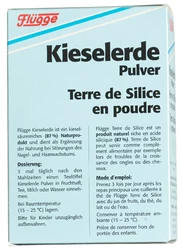
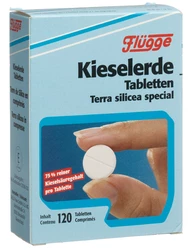
- Silica can be taken as capsules, tablets or powder. A typical dose is 600 mg of silica daily, which usually corresponds to three capsules. For powder the dosage is one to three teaspoons per day.
- You can combine silica with other supplements such as biotin, zinc, B vitamins and brewer's yeast to enhance their mutual effects.
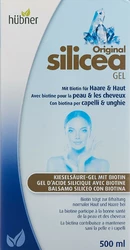
- There is also silicic acid in a gel-like liquid form for oral use. A so-called colloid contains active particles 1800 times smaller than those of ordinary silica and can therefore be better absorbed by the body.
- For dry, brittle or dull hair and for hair loss, take silica in any preferred form for several weeks. You can also mix silicic acid gel with your shampoo and conditioner, massage your scalp and leave it on for about 20 minutes.
- For bloating, diarrhoea, heartburn, food poisoning or nausea, silicic acid gel provides relief. It binds pathogens so they can be eliminated more quickly.
- For minor injuries you can apply silica externally as a gel or cream to reduce inflammation, bind wound exudate and germs, and to soothe cold sores, insect bites and sunburn. The gel also provides a cooling effect for sunburn.
- Silica can also be used in the form of Schuessler salts to treat psychological complaints, states of exhaustion and weakness, digestive problems, abscesses, boils, body odour and acne.
- Long-term overdose may lead to the formation of urinary and kidney stones.
Silica is certainly worth a try. It helps provide a fresh appearance and supports vital bodily functions!