Sleep apnea
Possibly your biggest challenge in bed
editorial.overview
What is obstructive sleep apnea syndrome?
Obstructive sleep apnea syndrome (OSA) is the most common form of sleep apnea. During sleep, the muscles of the soft palate relax. The negative pressure created during inhalation causes the upper airway in the throat to collapse in several places in affected people. The airflow becomes blocked, so the sleeping person stops breathing for a short time.
Because of this breathing pause, the oxygen level in the blood drops, leading to reduced oxygen supply to the tissues. In response, the body rapidly activates the respiratory muscles of the diaphragm and chest, the heart rate increases and blood pressure rises. The sleeper wakes up briefly, a phenomenon known as an "arousal". When breathing resumes, the person typically takes a few deep breaths.
These short breathing pauses can occur up to 100 times per night. Typically, the person does not remember in the morning that they woke briefly several times during the night due to lack of oxygen.
What causes sleep apnea syndrome?
In obstructive sleep apnea syndrome (OSAS), the airways become narrowed or blocked, impeding airflow. Common causes of OSAS include growths in the throat, allergies and infections that cause swelling of the nasal mucosa. Anatomical factors such as an unfavourable jaw position or large polyps and tonsils can also affect airflow.
Overweight is the largest risk factor for OSAS, as fat tissue accumulates not only on the abdomen and legs but also around the neck and tongue, narrowing the throat. Age also plays a role because tissues become softer with time, causing the airway muscles to relax and making breathing pauses more likely. Smoking, alcohol consumption and certain medications, especially muscle relaxants, can further relax the throat and increase the risk of breathing pauses.

What are typical symptoms of obstructive sleep apnea?
Typical symptoms of obstructive sleep apnea include loud snoring interrupted by breathing pauses, followed by a heavy gasp or snorting sound. It is important to note, however, that not everyone who snores has sleep apnea, and not every person with sleep apnea snores loudly. Other signs include night sweats, excessive daytime sleepiness, morning headaches, irritability and difficulty concentrating.
What are the consequences of sleep apnea syndrome?
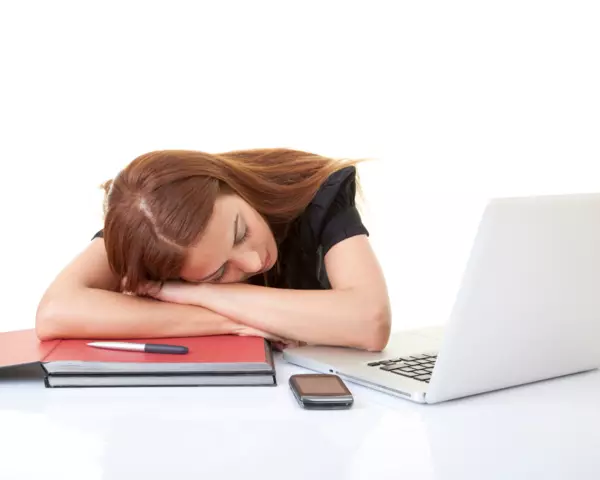
Sleep apnea syndrome can have serious consequences. People with pronounced sleep apnea usually feel tired and listless, resulting in non‑restorative sleep and poor mood. This can significantly reduce wellbeing and increase the risk of developing depression.
Furthermore, people with obstructive sleep apnea are more prone to high blood pressure and other cardiovascular diseases. The risk of suffering a heart attack, stroke or cardiac arrhythmias is increased.
Not all breathing pauses lead to health problems. If they occur only occasionally, are short in duration and do not cause daytime sleepiness, they are generally harmless. Nevertheless, it may be useful to monitor these breathing disturbances and have them assessed by a doctor, especially if symptoms persist.
How is obstructive sleep apnea diagnosed?
The diagnosis of sleep apnea starts with the doctor asking the patient about their symptoms and lifestyle. This is followed by a physical examination. Often the patient is given a portable device that records various parameters during sleep such as breathing, heart rate, blood oxygen saturation, snoring and body position.
If abnormalities are found in the analysis of these data, further investigation in a sleep laboratory may be necessary. There the patient spends one or more nights during which their sleep is monitored and analysed in detail with additional devices and a video camera.
Which treatments help with obstructive sleep apnea?
There are several approaches to treating obstructive sleep apnea. For significant overweight, weight loss can relieve symptoms. The most effective treatment for severe sleep apnea is CPAP therapy (Continuous Positive Airway Pressure). At night, room air is pumped into the airways at slight overpressure via a breathing mask connected to a ventilator. This overpressure keeps the upper airways open and reduces or prevents breathing pauses. As a result, symptoms such as daytime sleepiness can be significantly alleviated.
However, many patients have difficulty adapting to the CPAP mask, as it is often perceived as a foreign object and can disturb sleep. Pressure points and leaks can also impair rest.
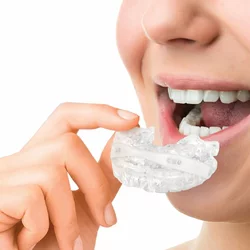
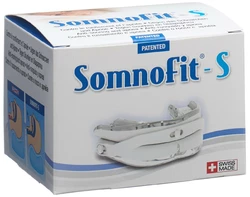
For people with mild to moderate obstructive sleep apnea, mandibular advancement devices can be an alternative. These devices move the lower jaw forward so that the tongue does not fall back and the airways remain open.
There are also surgical procedures to treat snoring with breathing pauses. For example, adenoids may be removed, the soft palate shortened or the base of the tongue reduced. Medications currently play no role in the treatment of sleep apnea, as their benefit has not been proven.
How you can relieve your sleep apnea symptoms yourself: practical tips
- Regularly train your respiratory muscles to strengthen them and help prevent nocturnal breathing pauses. Do exercises such as inflating a balloon and pressing the tongue against the roof of the mouth.
- Change your sleeping position, for example by using special vests or shirts to avoid sleeping on your back, or by elevating your head slightly.
- Pay attention to good sleep hygiene. Relax for a few hours before bedtime and switch off electronic devices.
- Keep regular sleep times. Try to go to bed and get up at the same time every day to establish a stable sleep‑wake rhythm.
- A low‑fat, plant‑based diet can help reduce fat intake. Focus on healthy foods and avoid processed meats and convenience products.
- If you are overweight, a slow and steady weight loss can improve symptoms.
- Try to be active every day and gradually increase your physical activity. Frequent exercise can improve sleep apnea.
- Avoid alcohol before bedtime. Alcohol can worsen sleep apnea symptoms by relaxing the respiratory muscles.
- Drink fewer caffeinated beverages in the evening. Caffeine can disturb sleep and cause more frequent awakenings at night. Avoid drinks with caffeine such as coffee, tea and cola in the late afternoon and evening.
- If you smoke, it is advisable to stop to improve your health. Smoking can worsen sleep apnea symptoms and increase the risk of cardiovascular disease.
- Check your vitamin D level and take supplements if necessary. Adequate vitamin D may be helpful in managing sleep apnea.
- See your doctor regularly to discuss your sleep apnea symptoms and treatment options.
Obstructive sleep apnea is a serious sleep‑related breathing disorder. It requires an individual approach to manage symptoms and minimise health risks. Early diagnosis and comprehensive treatment can improve the quality of life of those affected.