
Smoking cessation
A habit that harms your health
editorial.overview
What health consequences does smoking have for the body?
It is no secret that the desire to quit smoking is a classic New Year's resolution. A cigarette after a meal or during a break has become a habit for many. But even if serious consequences often only appear in the long term, the risks of smoking should never be underestimated.
The effects of smoking on the body are varied. It accelerates the ageing process, impairs the immune system and wound healing. Smokers have a lower life expectancy than non-smokers. The neurotoxin nicotine damages blood vessels, promotes atherosclerosis and increases the risk of stroke, circulatory disorders and heart attack.
Smokers have a doubled risk of developing type 2 diabetes, which in turn increases the incidence of cardiovascular disease and kidney failure. Nicotine causes dental damage such as staining, tooth decay and gum inflammation, which can lead to tooth loss.
Lung damage such as lung cancer, asthma and COPD are consequences of cigarette consumption. Passive smoking also harms health. Smokers have an increased risk of various types of cancer, including lung, laryngeal, tracheal and oesophageal cancer, as well as cancers of the liver, pancreas, kidney, breast and cervix.

What risks does smoking pose during pregnancy?
Pregnant smokers put their children at risk through higher rates of birth defects, premature birth and low birth weight. The risk of respiratory, cardiovascular and cancer diseases is also increased in the children of smokers. Smoking also impairs fertility in women and men who wish to have children.
Nicotine can cause severe poisoning symptoms in young children who swallow cigarettes. Symptoms include nausea, headache, sweating and dizziness.
What happens in the body after quitting smoking?
Giving up smoking leads to a remarkable regeneration of the body. The positive course of this physical recovery is evident in several phases. Already after 20 minutes without a cigarette, blood pressure and pulse fall. Within 12 hours the carbon monoxide level in the blood normalises, allowing better oxygen supply to all organs.
In the period from 2 weeks to 3 months after quitting, circulation and lung function improve. Coughing fits and shortness of breath decrease after 1 to 9 months. The cilia in the bronchi, which are responsible for cleaning the lungs, work more effectively, reducing the risk of infections such as pneumonia and bronchitis.
While cutting down on smoking has only limited positive effects, a complete quit brings the best health results. Increasingly, smokers are turning to electronic cigarettes (e-cigarettes) or heated tobacco products. Both release fewer toxic substances than cigarettes but are not harmless. Those who use these alternatives to quit should therefore use them only for a limited period where possible.
How does quitting smoking affect long-term health?
After one year the risk of coronary heart disease is halved. After two to five years the risk of a heart attack decreases significantly and corresponds to that of a non-smoker. After five years the risk of mouth, throat, oesophageal and bladder cancer is reduced by half.
After ten years the risk of laryngeal and pancreatic cancer decreases. The likelihood of dying from lung cancer is, after quitting, only half as high as with continued smoking. The risk of coronary heart disease corresponds after 15 years to that of a non-smoker.
What benefits does quitting smoking have for fitness and appearance?
The decision to stop smoking increases endurance because the body can take up more oxygen again. As a result, you feel noticeably fitter. Quitting also has benefits for breathing – over time more lung volume becomes available and you are less out of breath. Sporting activities can thus be carried out for longer.
Quitting smoking brings not only health benefits but also aesthetic advantages. Skin recovers thanks to better circulation and becomes more radiant and even. Discolouration on hands and teeth become a thing of the past – the appearance of teeth steadily improves after quitting.
How does quitting smoking affect mental health?
Switching to a smoke-free life also provides relief for the psyche. Stressful situations such as searching for a cigarette machine or uncertainty about smoking breaks are a thing of the past. After overcoming the initial withdrawal symptoms, the typical stress associated with smoking disappears.
How to meet these challenges successfully: the best practical tips
- Tell others about your decision to quit smoking. Share your experiences and challenges with friends who encourage and understand you. A supportive environment makes the path easier.
- Consciously avoid situations that tempt you to smoke. For example, skip smoking breaks with colleagues or visits to bars. If you feel uncomfortable in a group, leave it temporarily.
- Think of alternatives for situations in which you normally smoke, e.g. healthy snacks instead of a cigarette on the way to work.
- Remove ashtrays, cigarettes and lighters; do not keep cigarette packs.
- Motivate yourself by saving the money you would otherwise have spent on cigarettes. Reward yourself for abstaining.
- Take a moment to breathe deeply when you feel the urge to smoke. A simple relaxation exercise such as consciously tensing and relaxing individual muscles can also help.
- Use breathing and meditation exercises to relieve stress. Yoga and tai chi can also provide valuable support.
- Consciously choose pleasant activities, especially when the urge to smoke arises from boredom. Pick up a good book, enjoy a cup of tea or treat yourself to a relaxing aromatic bath.
- Incorporate regular walks or sports into your daily routine. This promotes the release of feel-good hormones and helps you relax.
- Use sweets in the first days and weeks after quitting to have something in your mouth when you crave a cigarette.
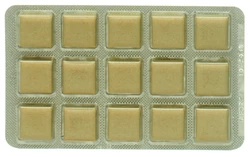
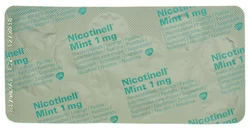
- Consider nicotine replacement therapy to make withdrawal easier.
- Use nicotine gum when you reach for a cigarette in certain situations. Chew the gum slowly for one minute, wrap it and then place it back in the cheek.
- Choose nicotine lozenges as a discreet alternative. Adjust the dosage to your cigarette consumption and reduce the dose after six to ten weeks.
- Try nicotine patches that you can discreetly stick to the upper arm or torso. After three to four weeks switch to a lower strength.
- Use nicotine spray for sudden cravings. One to two sprays into the cheek act within 30 to 60 seconds.
- Try alternative items such as cut straws or rolled paper, fiddle with a necklace or a stress ball, hold pens to have something in your hands and manage nervousness.
- Gain a completely new quality of life. Since quitting you perceive smells much more intensely, for example. The sense of taste also changes enormously.
- Accept that relapses can occur; see them as an opportunity to learn and try again.
Smoking is not only an annoying habit but also a dangerous drug with many risks and side effects. It is never too late to quit. Quitting smoking brings not only health benefits but also aesthetic and psychological advantages.