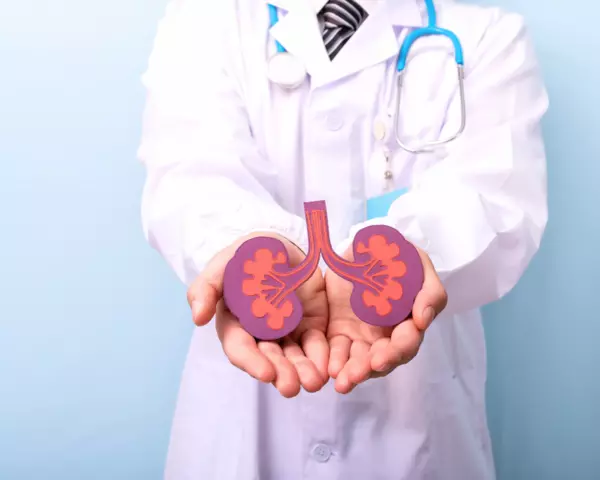
Common diseases
Silent killers – and 30% are affected
What makes common diseases silent killers?
Common diseases can affect people of all ages and backgrounds. They are often described as "silent killers" – and not without reason. These conditions change the body slowly, wear down the vascular systems and those affected may not feel the progression of the disease for a long time. Half of those affected are unaware of their condition until it severely reduces their quality of life. The tricky part is that these diseases initially cause no pain and are therefore often discovered too late. These common diseases are closely interrelated.
Why are chronic kidney diseases often detected late?
High blood pressure and diabetes mellitus pose risks to the kidneys and are the most common causes of chronic kidney disease. The function of the small arteries in the excretory organs is impaired, which disrupts the filter function of the glomeruli where urine is produced.
Kidney diseases are silent killers. Most of the time you notice nothing for a long period. "And when symptoms appear, it is often already too late," says Erich Pohanka, nephrologist and head physician at AKh Linz. Therefore it is important to have red blood cells and protein in the urine checked regularly and to be especially alert to fluid retention in tissues or blood in the urine. Signs of chronic kidney disease include swollen joints, fatigue, difficulty concentrating, reduced appetite or foamy urine.
Which symptoms indicate an undiagnosed diabetes?
An undiagnosed diabetes mellitus that goes unnoticed for years can present with intense thirst, unintended weight loss, fatigue and increased urination. These warning signs should not be ignored.
Which factors can cause high blood pressure and why is it dangerous?
A flushed face, pounding in the temples, shortness of breath on exertion are early signs of high blood pressure. Yet people can feel vital and capable for a long time.
It is advisable to have your blood pressure checked regularly because high blood pressure usually only becomes noticeable once it has already caused damage to organs such as stroke, heart attack or heart failure.
What helps reduce the risk of these conditions?
- Have your blood sugar and kidney values checked regularly (at least once a year as part of an annual health check-up) and measure your blood pressure at least once a week. This simple preventative measure against dangerous common diseases is often neglected but is vital.
- Do not take over-the-counter medications regularly, for example painkillers. They affect enzymes that play a central role in regulating inflammatory processes, influence blood clotting and protect the kidneys. Try to relieve complaints with non-drug methods such as physiotherapy, heat, cold, massages or exercise.
- Watch your body weight. Overweight is one of the main risk factors for high blood pressure. A persistently elevated body weight (BMI > 30 kg/m2) can contribute to the development of diabetes mellitus and kidney disease. Adipose tissue secretes various peptide hormones that negatively affect fat metabolism and lead to increased insulin levels. All of this ultimately leads to a decline in kidney function.
- As simple as it sounds, it is often neglected: exercise regularly to stay fit and active. Lack of exercise is an important risk factor for both high blood pressure and diabetes. Experts recommend regular activity for at least 30 minutes on five to seven days a week, for example light endurance training, as an effective preventive measure. Physical activity and sport improve circulation and metabolism and can positively influence the course of kidney disease.
- Eat a healthy, balanced diet. As a preventive measure, the Mediterranean diet with plenty of vegetables, fish and vegetable oils is recommended.
- Avoid too much table salt. Compromised kidneys have difficulty excreting salt properly. Too much fluid remains in the body. Bear in mind that most salt is found in foods you might not think of, such as bread, processed meats or canned foods. Use sea or herb salt for cooking instead of ordinary table salt.
- Drink sufficiently. Our blood cells and tissues need water to function properly. Drinking too little raises tension in the arteries and therefore blood pressure. Water is the fuel for our excretory organs and an adequate fluid intake is important for healthy kidney function. When the body is well hydrated, urine is pale yellow and odourless. If it darkens, it can be a warning sign that you should drink more.
- Give up smoking. Nicotine raises blood pressure by increasing heart rate and promoting vessel constriction. Nicotine also causes small injuries to the innermost layer of blood vessels. Statistically, smokers have an increased risk of chronic kidney failure, and previously metabolically healthy smokers have twice the risk of developing type 2 diabetes compared with non-smokers.
With these simple tips you are well protected against insidious common diseases. They help you strengthen your well-being to meet the demands of daily life in a healthy and successful way!
.png.webp)