
Stevia
The sweet dream without calories
What are the benefits of the sweetener stevia?
Stevia is a natural sweetener obtained from the South American plant Stevia rebaudiana. Its main strength is that it provides the sweetness of sugar but without calories and is sugar-free. In fact, the sweetening compound extracted from the plant — stevioside — can be up to 300 times sweeter than regular table sugar, making it an effective alternative for people who want to watch their calorie intake.
A key advantage of stevia is that it does not affect blood sugar levels. Unlike sugar, which often causes insulin levels to rise and increases the risk of insulin resistance, stevia remains neutral. This can help to stabilise body weight and reduce the risk of weight gain. This property has made the plant particularly popular in countries such as Japan, where it has been widely used as a sweetener since the 1970s and now accounts for around 40% of the sweetener market.
Furthermore, the plant is considered tooth-friendly because it has anti-caries properties and can reduce the formation of dental plaque. While sugar is known to promote tooth decay, consumers using stevia may benefit from improved dental health.
Another potential health benefit may come from its blood-pressure-lowering effect. Some studies suggest that daily intake of steviosides in amounts of 750 to 1500 milligrams could have a positive effect on blood pressure.
Does stevia have fewer calories than sugar?
Stevia is calorie-free and therefore offers a clear advantage over sugar, which contains about 387 calories per 100 grams. Because the plant has a very high sweetening power, a small amount already produces a strong effect. For this reason, the product is particularly suitable for people who want to reduce their calorie intake without sacrificing enjoyment.
Despite these advantages, there are some aspects to consider: stevia is more difficult to dose because its strong sweetening effect can easily lead to overdosing, sometimes producing a bitter aftertaste. Its texture and behaviour in baking also differ from sugar, since the volume that sugar provides is missing.
Is stevia really healthier than sugar?
Stevia is often presented as a healthy alternative to sugar because it does not influence blood sugar and, in contrast, is gentler on the teeth. It also contains valuable minerals such as magnesium and potassium, which can provide additional nutrients. In general, consumption of stevia in moderate amounts is considered safe.
When buying stevia products, however, caution is advised. Many stevia-containing foods are additionally sweetened with sugar or other sweeteners to improve taste. As a result, such products can unintentionally contain calories and reduce the health benefits of pure stevia.
Another point to consider is the possible allergy risk. Stevia belongs to the Asteraceae family, so people who are allergic to this plant family should be cautious when using it. To avoid possible adverse reactions, it is advisable to start with small amounts to test tolerance.
Why was the sweetener stevia banned for so long?
Stevia was banned in the EU for a long time because earlier studies raised concerns about potential health risks. One study suggested that the plant could cause DNA changes. It was later determined that the results of those studies were controversial and caused by unrealistically high doses.
Today, stevia in the form of extracts is approved in the EU under strict dosing guidelines. These stevia extracts are mainly used in reduced-calorie foods, although their use remains restricted in certain product categories.
It is important to distinguish between stevia leaves and stevia extracts. While the leaves of the stevia plant are considered a Novel Food and may only be used in special tea blends, the extracts are approved as sweeteners and are used in various food products.
Despite the approval of stevia, some restrictions remain, especially in organically produced products. In addition, stevia leaves and extracts are also used in cosmetic products, where they appear in various formulations.
Is stevia suitable for people with diabetes?
Stevia can be a suitable option for people with diabetes because the isolated glycosides from the stevia plant have a much higher sweetening power than regular sugar without affecting blood sugar. Used in moderation, stevia can be beneficial for diabetes patients, although it is not strictly necessary.
Some studies even suggest that stevia may lower blood sugar in type 2 diabetes. However, it is important to note that the safety of stevia alone is not sufficient to ensure a healthy diet. Foods sweetened with stevia can still contain other ingredients that affect blood sugar, such as added sugar or refined flour.
Another point is the recommended maximum daily dose, which should be observed. The plant is often combined with other sweeteners to soften its characteristic taste, so the label "with stevia" does not automatically mean that the product is sugar- or calorie-free.
How to use stevia: practical tips
- You can reduce the sugar content in coffee, tea or smoothies with stevia. Start with a small amount and adjust to taste.
- Use it for cooking and baking, as it is heat-stable up to 200 °C. This allows you to prepare lower-calorie desserts without giving up the pleasure of sweets.
- Experiment with stevia leaves in cake and cookie recipes. Replace 100 g of sugar with 60–70 g of stevia, depending on the product. Pay attention to intake quantities when using sweet herb to make the most of stevioside as a sugar substitute. In the 21st century this is a healthy alternative to chocolate.
This is how you can take advantage of the benefits of stevioside-type sweet herb as a sugar substitute. - Combine the plant with other natural sweeteners such as honey or agave syrup to obtain a harmonious blend.
- Measure carefully. For pure stevia powder use only a knife tip, as it can be up to 300 times sweeter than sugar.
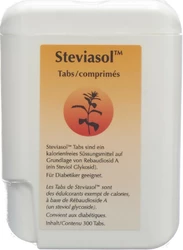
- Hot and cold drinks can be sweetened quickly and easily with stevia tablets.
- Make desserts lower in calories. Mix stevia into puddings, ice cream or yogurt for a reduced-sugar variant.
- The taste can be enhanced with spices. Combine stevia with cinnamon or vanilla to intensify flavour in baked goods.
- Mix a tablespoon of olive oil, a tablespoon of vinegar and a few drops of stevia to make a light dressing. This sweetens without increasing the calorie count.
- Make homemade lemonade with stevia. Mix water, fresh lemon juice and stevia to taste for a calorie-free drink.
- Store stevia products in an airtight container in a cool, dry place to preserve freshness.
Stevia is regarded as a promising low-calorie alternative to sugar that does not affect blood sugar and is therefore of interest to people with diabetes and health-conscious consumers. However, the possible downsides should not be overlooked. A measured intake is crucial to make the right decision for your own diet.