Sugar substitutes
For a sweet life without sugar
editorial.overview
Best sugar substitute – What sugar alternatives are there?
Depending on the intended use and personal preferences, there are numerous alternatives to conventional sugar. Many of these sugar substitutes come from natural sources and offer health advantages compared with industrially produced sugar. Even so, these alternatives should also be consumed in moderation.
One of the most natural options are dried fruits such as dates, which are prized for their versatility. Dates are rich in fibre, vitamins (especially B vitamins) and minerals such as potassium, magnesium and iron, making them a nutritious choice. They work particularly well in smoothies, mueslis, energy bars or for sweetening baked goods, either in their natural form or as date sugar. Another healthy alternative is stevia. It is obtained from the stevia plant and does not change blood sugar levels. In pure form it can be difficult to dose, which is especially challenging in more complex baking recipes.
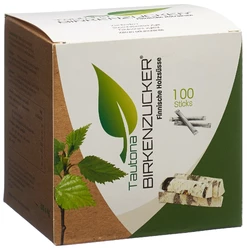
Xylitol, also called birch sugar, and erythritol are among the most popular sugar alternatives because they have a sweetness similar to sugar and can be easily substituted in recipes. Both are tooth-friendly and lower in calories, but can cause digestive discomfort in larger amounts. For a caramel-like flavour, coconut blossom sugar is suitable; it is made from the flower nectar of the coconut palm. It has a low glycaemic index and is less refined than conventional sugar.
Liquid alternatives such as maple syrup or agave nectar are also widely used. Maple syrup is harvested from the sap of maple trees and contains valuable minerals such as calcium and potassium. Agave nectar is sweeter than sugar and easy to dose, but should not be consumed excessively because of its high fructose content. More exotic alternatives like lucuma or yacon syrup offer additional benefits. Lucuma imparts a fruity flavour and a creamy texture to dishes, while yacon syrup stands out with a low glycaemic index and high fibre content.
Sugar, sugar alcohols & sweeteners – What’s the difference?
Sugar, sugar alcohols and sweeteners are three different categories of substances used to sweeten food. They mainly differ in their chemical structure, their sweetening effect and their impact on health.
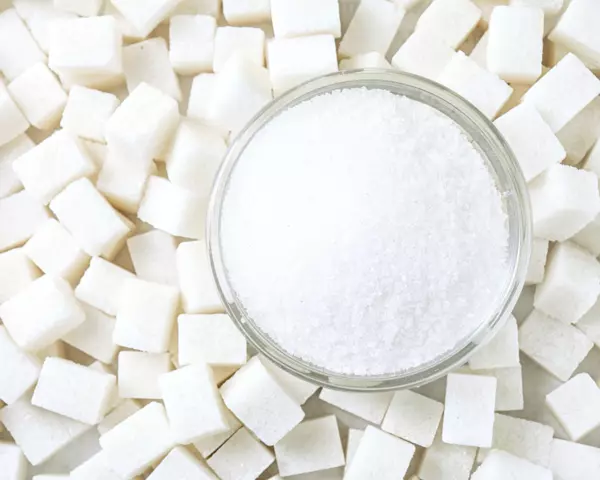
Sugar is the traditional sweetener, obtained from natural sources such as sugar cane or sugar beet. The most common types of sugar are table sugar (sucrose), fruit sugar (fructose) and grape sugar (glucose). Sugar is energy-dense and can raise blood sugar quickly, which can be problematic for people with diabetes and in certain diets.
Sweeteners are both artificial and natural substances that are substantially sweeter than sugar but often provide almost no calories. They are used in many reduced-calorie or light products. Sweeteners such as aspartame, acesulfame or stevia are substantially sweeter than sugar and have little effect on blood sugar. However, they provide no nutrients and are not metabolised in the same way as food. Although considered safe, there are ongoing discussions about possible long-term health effects, particularly on the microbiome or blood sugar regulation.
Sugar alcohols, also called polyols, such as xylitol, sorbitol or maltitol, are chemically polyhydric alcohols. They contain fewer calories than sugar (about 2 kilocalories per gram) and affect blood sugar less. They are not calorie-free, however, and must be used in larger quantities to achieve the same sweetening effect as sugar. Sugar alcohols also do not promote tooth decay and are used in products such as sugar-free chewing gum or toothpaste.
What are erythritol, xylitol and stevia good for?
Erythritol, xylitol and stevia are sweetening agents commonly used in reduced-calorie or sugar-free products. They are particularly useful for people who need to monitor their blood sugar or promote oral health.
Xylitol (also called birch sugar) is similarly sweet to sugar but has significantly fewer calories. Unlike sugar, oral bacteria cannot metabolise it, so it does not contribute to tooth decay. Xylitol also has an antibacterial effect, which is why it is often used in dental care products. However, xylitol can have a laxative effect in larger amounts and excessive consumption can cause gastrointestinal symptoms such as bloating and diarrhoea.
Erythritol is another low-calorie sugar substitute used in drinks and many sugar-free foods. It has fewer calories than sugar but is less sweet than xylitol or table sugar. Erythritol is not metabolised by the body, so it does not affect blood sugar and does not promote tooth decay. An advantage of erythritol is that it leaves no bitter aftertaste and combines well with other sweeteners to achieve the desired sweetness.
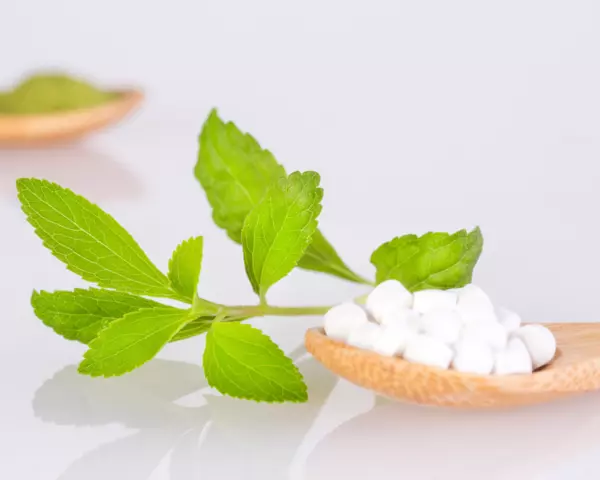
Stevia is a plant-derived sweetener that is several hundred times sweeter than sugar. It is extracted from the leaves of the stevia plant, which contain steviol glycosides responsible for the sweetening effect. Stevia has no effect on blood sugar or dental health. Due to its extreme sweetness, only a very small amount is needed. A drawback can be a slight aftertaste that is noticeable in some stevia products, but this varies by brand and product.
Honey: Really healthier than sugar?
Both sugar and honey consist mainly of the simple sugars glucose and fructose. Table sugar is composed of 50 percent glucose and 50 percent fructose, while honey contains a slightly higher proportion of fructose and therefore tastes sweeter. Calorically the difference is small: 100 grams of sugar provide about 380 kilocalories, whereas honey, due to its water content, contains around 304 kilocalories.
Despite the slightly lower calorie content of honey, one should not consume too much of it. Like sugar, excessive honey consumption can increase the risk of overweight and diabetes. In addition, honey's sticky consistency makes it adhere to the teeth longer and can promote tooth decay.
Besides sugars, honey contains other nutrients such as minerals and vitamins, albeit in small amounts. The water content of honey is about 20 percent, which makes it more liquid than sugar. Among honey’s health-promoting properties is its anti-inflammatory effect, which makes it a popular home remedy for colds. The antioxidants contained in honey are also said to reduce the risk of cardiovascular disease and cancer. However, honey should be natural and not industrially processed, as heating can destroy many valuable components.
Sugar substitutes: Do sweeteners help with weight loss?
Sweeteners can help with weight loss due to their low caloric content, but the effect is often smaller than hoped. They have no direct impact on insulin levels, but they can trigger cravings and maintain the desire for sweet foods, which can be problematic in the long term.
Studies show that they neither provide a sustainable solution for weight reduction nor reliably lower the risk of diseases such as type 2 diabetes. The WHO advises against using sweeteners specifically for weight control. Instead, it recommends reducing overall sugar consumption.
How to reduce your sugar consumption: useful tips
- Avoid sugary drinks. Replace soft drinks, lemonades and fruit juices with tap water, unsweetened teas or heavily diluted fruit juices. Get used to drinking only water to avoid sugar traps.
- Check ingredient lists on ready-made products. Avoid items with cane sugar, glucose-fructose syrup or maltodextrin, which often contain hidden sugars.
- Keep a food diary. Document when and how much sugar you consume. This helps identify habits like sweetened coffee or snacks and change them deliberately.
- Make a detailed shopping list before you go and stick to it. Never shop hungry to avoid impulse purchases of sweets.
- Avoid bought muesli bars or cookies. Instead prepare low-sugar alternatives such as energy balls made from dates and nuts.
- Avoid canned fruit, as it is often enriched with sugar. Choose fresh or frozen fruit instead.
- Enhance coffee or dishes with cinnamon, vanilla or cocoa powder. These alternatives add flavour without extra sugar.
- Empty your pantry and discard sugary foods. A sugar-free home reduces temptation.
- Avoid sugary mueslis. Mix oats, nuts and seeds to reduce sugar content.
- If you want to enjoy chocolate, choose varieties with at least 70% cocoa. These contain less sugar and provide antioxidants.
- Talk to friends or family about your new diet. Together it is easier to stay motivated.
- Be patient with yourself. Accept setbacks and keep going. Reward yourself for small successes, e.g. after a sugar-free day, to stay motivated.
Sugar substitutes offer an attractive way to reduce sugar consumption and enjoy fewer calories. It is, however, necessary to critically consider their effects on the body and to use them in moderation.